
I’ll never forget the day I walked into my living room and was hit by that unmistakable smell—a mix of old fur, dust, and something I didn’t want to think about too hard.
My cat’s favorite perch, once a cozy kingdom, had turned into a bacteria hotel.
If you’ve noticed your cat avoiding their tree, or worse, caught a whiff of that “mystery odor” yourself, you’re not alone. Most cat trees are neglected until they become health hazards—trapping dander, flea eggs, and bacteria deep in every crevice.
Here’s the good news: how to clean a cat tree doesn’t require professional equipment or hours of scrubbing. With the right approach, you can restore freshness, eliminate odors, and protect your cat’s health in under an hour.
This guide walks you through every step—from vacuuming fur to disinfecting safely—so your cat can reclaim their throne without the grime.
Table of Contents
- 🧼 Quick Answer: How to Clean a Cat Tree in 7 Steps
- 🦠 Why Cleaning Your Cat Tree Matters for Your Cat’s Health
- 📅 How Often Should You Clean a Cat Tree?
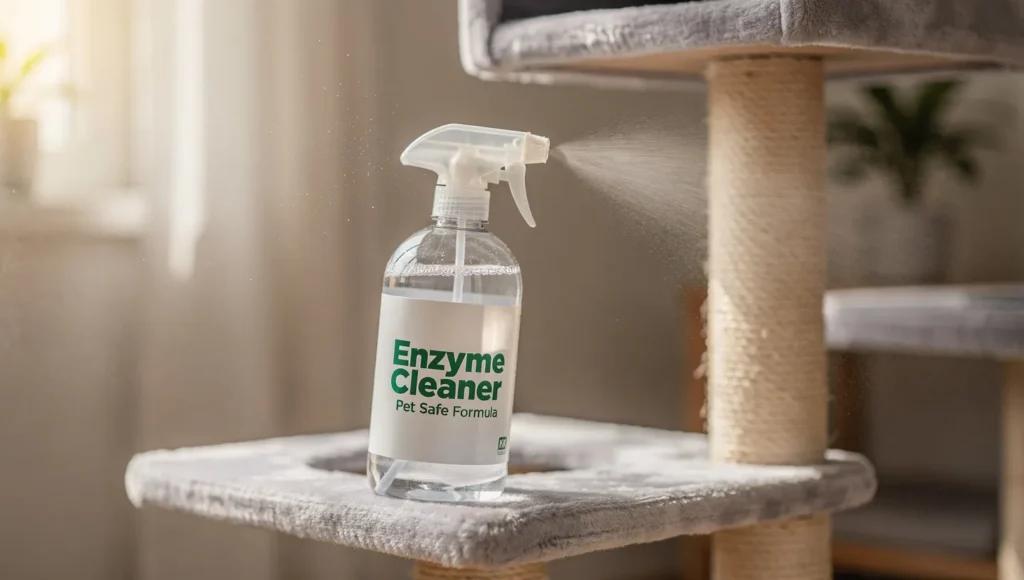
- 🧴 Cat-Safe Cleaning Supplies Checklist
- 🧽 How to Clean a Cat Tree: Complete Step-by-Step Process
- Step 1: Remove Loose Fur and Debris
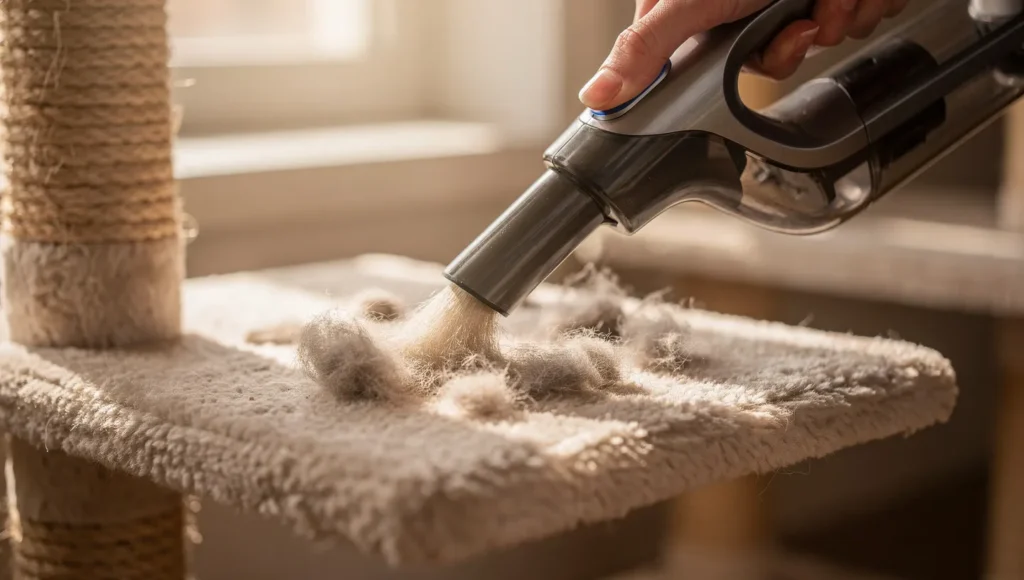
- Step 2: Vacuum Every Surface Thoroughly
- Step 3: Apply Enzyme Cleaner to Remove Odors
- Step 4: Sprinkle Baking Soda for Deep Odor Absorption
- Step 5: Wipe Hard Surfaces with Vinegar Solution
- Step 6: Air Dry Completely
- 🐾 How to Clean a Cat Tree from Fleas (Emergency Protocol)
- 🧪 Is It Safe to Clean a Cat Tree with Vinegar?
- 🔄 When to Replace Your Cat Tree Instead of Cleaning
- ❌ 5 Common Mistakes When Cleaning a Cat Tree
- ❓ FAQ: Cat Tree Cleaning Questions Answered
- Q: Can I wash a cat tree with water?
- Q: How long does a deep clean take?
- Q: Will cleaning remove my cat’s scent?
- Q: How often should I deep clean?
- Q: Is enzyme cleaner really necessary?
- Give Your Cat a Clean, Safe Space They’ll Love
🧼 Quick Answer: How to Clean a Cat Tree in 7 Steps
Short on time? Here’s the fastest way to clean a cat tree:
Step 1: Remove loose fur with rubber gloves or a lint roller.
Step 2: Vacuum all surfaces using an upholstery attachment.
Step 3: Spray enzyme cleaner on stained or smelly areas.
Step 4: Sprinkle baking soda on carpeted platforms and let sit 15-30 minutes.
Step 5: Wipe hard surfaces (wood, plastic) with a 1:1 vinegar-water solution.
Step 6: Vacuum again to remove baking soda residue.
Step 7: Air dry completely in a well-ventilated space before letting your cat back on.
Time required: 30-45 minutes for a thorough clean.
Safety note: Never use bleach, ammonia, or essential oils—these are toxic to cats and can cause serious respiratory issues.
🦠 Why Cleaning Your Cat Tree Matters for Your Cat’s Health
You might think a little fur buildup is harmless, but dirty cat trees are breeding grounds for problems you can’t see.
Here’s what’s hiding in those carpeted platforms:
Bacteria multiply fast. Saliva, urine traces, and paw bacteria accumulate over time. Without regular cleaning, these can lead to skin infections or digestive issues if your cat grooms after lounging.
Flea eggs can survive for months. Even indoor cats can bring in fleas. These eggs hide deep in fabric and carpet fibers, waiting to hatch. A single flea infestation can explode from just a few missed eggs.
Odors drive behavioral changes. Cats have scent glands in their paws and cheeks. When a tree smells “off,” they’ll avoid it entirely—wasting your investment and leaving them without vertical space they desperately need.
In my experience, cats who suddenly stop using their tree aren’t being picky. They’re telling you something’s wrong.
📅 How Often Should You Clean a Cat Tree?
The cleaning frequency depends on how many cats you have and how much they use the tree.
Here’s a simple breakdown:
| Cleaning Type | Frequency | What to Do |
|---|---|---|
| Light Cleaning | Weekly | Vacuum loose fur, wipe down hard surfaces with a damp cloth |
| Deep Cleaning | Monthly | Enzyme cleaner application, baking soda odor removal, full vacuum |
| Flea Protocol | As needed | Disinfect all surfaces, wash removable parts, treat surrounding area |
| Full Inspection | Quarterly | Check structural stability, replace worn sisal, deep sanitize |
Pro tip: If you notice your cat shedding heavily during seasonal changes, bump up your cleaning schedule to every 2 weeks.
One mistake I see often: waiting until the tree looks dirty. By then, bacteria and allergens are already deeply embedded.
Set a recurring phone reminder—it’s the easiest way to stay consistent without overthinking it.
🧴 Cat-Safe Cleaning Supplies Checklist
Before you start, gather these essentials—and ditch anything toxic.
Safe to use:
- Enzyme-based cleaner (breaks down organic stains and odors)
- White vinegar diluted 1:1 with water
- Baking soda (natural deodorizer)
- Microfiber cloths
- Vacuum with upholstery attachment
- Rubber gloves or lint roller
Never use:
- Bleach (respiratory damage)
- Ammonia (smells like urine to cats, encourages remarking)
- Essential oils (toxic to feline livers)
- Scented cleaners (overwhelming to sensitive noses)
In my experience, sticking to unscented, natural solutions keeps your cat safe while getting the job done. If you’re cautious about household toxins, this same mindset applies to cleaning products.
🧽 How to Clean a Cat Tree: Complete Step-by-Step Process
Step 1: Remove Loose Fur and Debris
Put on rubber gloves and run your hands over carpeted surfaces—the static clings fur like magic. For stubborn patches, use a lint roller or duct tape wrapped around your hand (sticky side out).
Step 2: Vacuum Every Surface Thoroughly
Use the upholstery attachment and work in circular motions on platforms. Don’t skip the crevices where posts meet bases—that’s where flea eggs and dander hide. If you have a high-quality sturdy cat tree, it’ll have multiple levels, so take your time.
Step 3: Apply Enzyme Cleaner to Remove Odors
Spray enzyme cleaner on any stained or smelly areas—urine spots, drool marks, or mystery stains. Let it sit for 10-15 minutes. Enzymes break down organic matter at a molecular level, which is why they work better than soap.
Step 4: Sprinkle Baking Soda for Deep Odor Absorption
Cover carpeted platforms with a thin layer of baking soda. Let it sit for 15-30 minutes to absorb lingering odors, then vacuum thoroughly. This trick also works wonders for general household dander control.
Step 5: Wipe Hard Surfaces with Vinegar Solution
Mix equal parts white vinegar and water in a spray bottle. Wipe down wooden or plastic bases, poles, and any non-fabric parts. Vinegar cuts through grease and disinfects without leaving toxic residue.
Step 6: Air Dry Completely
This step is non-negotiable. Damp fabric breeds mold and bacteria. Place the tree in a sunny spot or near a fan for at least 2-4 hours. Never let your cat back on a wet tree.
🐾 How to Clean a Cat Tree from Fleas (Emergency Protocol)
If you’ve spotted fleas, act fast—they multiply horrifyingly quick.
Step 1: Vacuum every inch of the tree, focusing on seams and crevices where eggs hide.
Step 2: Spray a cat-safe flea treatment on all surfaces (check the label—it must say “safe for cats”).
Step 3: If parts are removable, wash them in hot water.
Step 4: Treat the surrounding area—fleas don’t just live on the tree.
One mistake I often see: treating the cat but ignoring the environment. You need both. Read our full flea prevention guide for a complete home protocol.
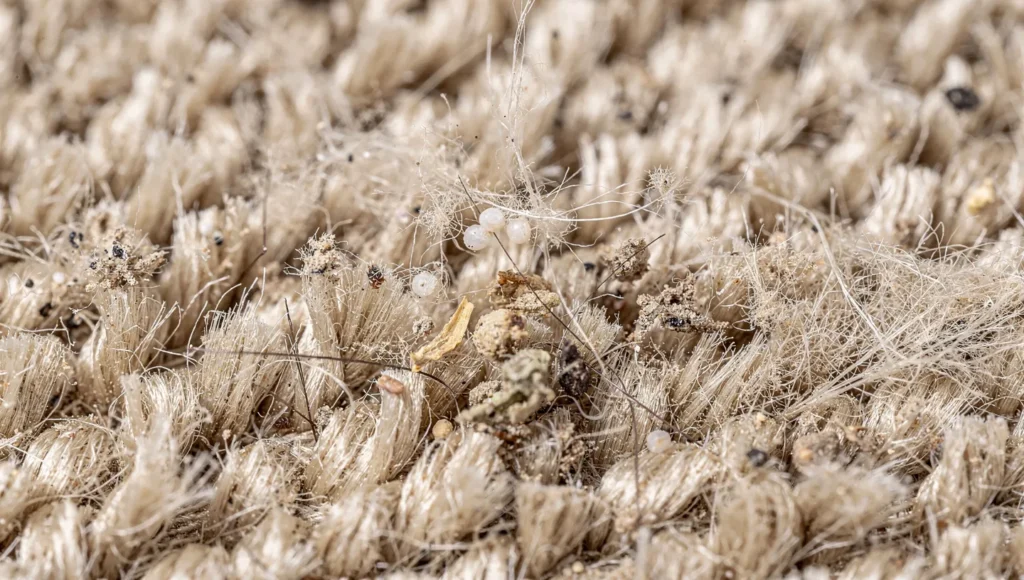
According to CDC research, flea eggs can survive up to 10 days off a host, so thorough environmental cleaning is critical.
🧪 Is It Safe to Clean a Cat Tree with Vinegar?
Yes—but only when diluted and used correctly.
Mix white vinegar with water at a 1:1 ratio. Use it on hard surfaces like wood, plastic, or metal. Never soak carpeted platforms—vinegar can damage fabric backing and leave a lingering smell.
After wiping, let the tree air out completely. The vinegar smell dissipates within 30 minutes, and it’s non-toxic once dry.
🔄 When to Replace Your Cat Tree Instead of Cleaning
Sometimes, cleaning isn’t enough. Replace your tree if you notice:
- Wobbly posts or unstable bases (injury risk for heavy cats)
- Persistent mold or mildew (health hazard)
- Deep, unremovable odors (usually urine-soaked wood)
- Frayed sisal rope (can snag claws or cause ingestion)
If you’re shopping for a replacement, check our updated 2026 cat tree guide for safer, longer-lasting options.
❌ 5 Common Mistakes When Cleaning a Cat Tree
- Using bleach or ammonia. Both are toxic and can cause respiratory distress.
- Oversaturating carpeted platforms. Leads to mold and permanent water damage.
- Skipping the drying step. Damp fabric = bacterial playground.
- Using scented cleaners. Cats hate artificial fragrances and may avoid the tree entirely.
- Not vacuuming first. Applying cleaner over loose fur just creates a sticky mess.
❓ FAQ: Cat Tree Cleaning Questions Answered
Q: Can I wash a cat tree with water?
A: Only hard surfaces. Never soak carpet or fabric—it won’t dry properly and will grow mold.
Q: How long does a deep clean take?
A: 30-45 minutes of active cleaning, plus 2-4 hours drying time.
Q: Will cleaning remove my cat’s scent?
A: Partially, yes. But cats re-mark their territory naturally within hours. It’s not a problem.
Q: How often should I deep clean?
A: Monthly for active use, quarterly for light use. Adjust based on shedding and odor buildup.
Q: Is enzyme cleaner really necessary?
A: Yes. Regular soap doesn’t break down organic proteins. Enzymes do, which is why they eliminate odors instead of masking them.
Give Your Cat a Clean, Safe Space They’ll Love
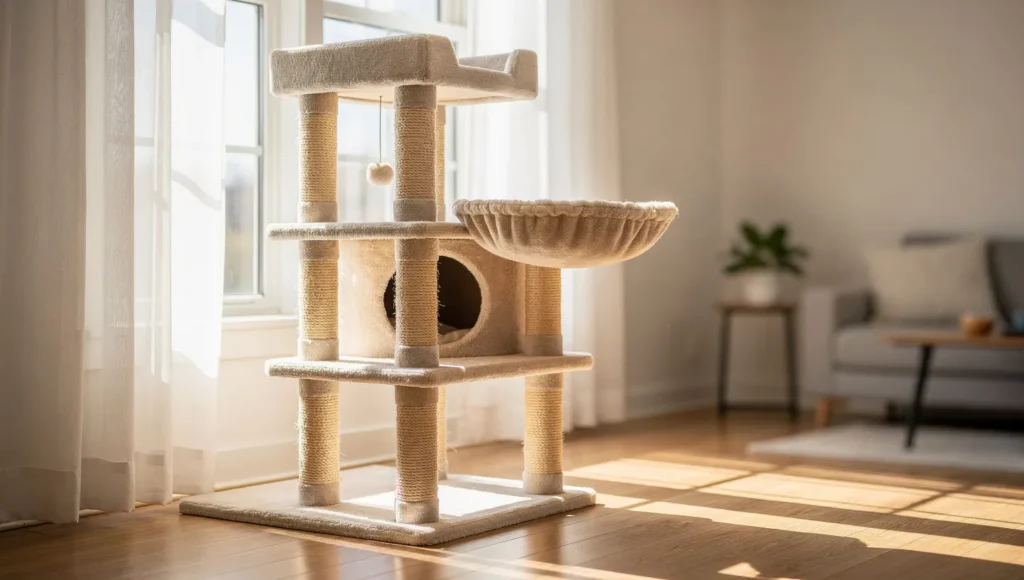
A clean cat tree isn’t just about aesthetics—it’s about creating a safe, healthy space your cat actually wants to use.
Regular maintenance prevents bacterial buildup, eliminates flea risks, and keeps odors in check. The process doesn’t have to be complicated: vacuum weekly, deep clean monthly, and always air dry completely.
Your cat’s vertical territory is their safe haven. Keep it fresh, and they’ll thank you with more climbing, scratching, and happy perching.
Set a reminder for next month’s clean—you’ve got this.