
How to Brush Your Cat isn’t just about keeping fur off your couch. It’s one of the simplest ways to build trust, strengthen your bond, and support your cat’s overall well-being—without stress or struggle.
For many cat owners, brushing feels intimidating. Some cats squirm, others swat, and a few act like the brush is their worst enemy. But when done correctly, grooming becomes a calming ritual your cat can actually enjoy.
Regular brushing helps reduce shedding, prevents uncomfortable hairballs, and keeps your cat’s skin healthy. More importantly, it creates quiet moments of connection—where your cat feels safe, understood, and cared for.
The good news? With the right tools, timing, and technique, brushing doesn’t have to be a battle. It can become one of the most rewarding parts of caring for your cat.
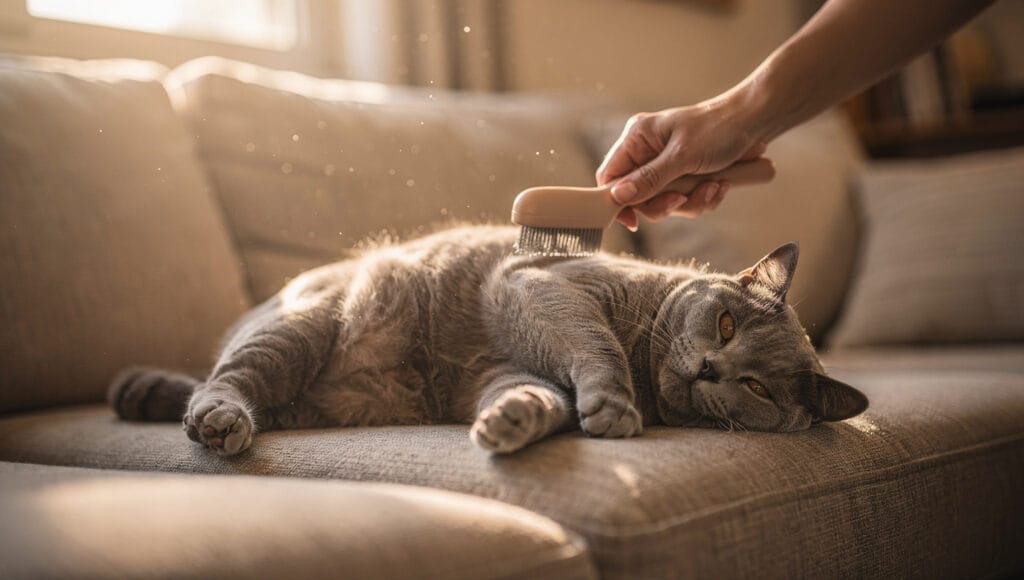
How to brush your cat calmly at home.
Table of Contents
- 🧼 Why Knowing How to Brush Your Cat Matters for Their Health
- 🛑 Preventing Painful Mats
- 🪮 Choosing the Right Tools for Brushing Your Cat
- 📊 Cat Brushing Tools Comparison Guide
- 🐾 Step-by-Step Guide on How to Brush Your Cat
- 😾 How to Brush a Cat That Hates It
- 💙 A Calm Routine, A Stronger Bond
- ❓ Frequently Asked Questions
- How often should I brush my cat?
- Can I use a human brush on my cat?
- What is the best cat brush for shedding?
🧼 Why Knowing How to Brush Your Cat Matters for Their Health
Brushing your cat isn’t just about appearance. It plays a quiet but powerful role in your cat’s physical comfort and emotional balance.
One of the biggest benefits is hairballs in cats prevention. When loose fur is removed through brushing, your cat swallows less hair during self-grooming. That means fewer hairballs and less digestive discomfort later on.
Grooming also supports healthy skin. Gentle brushing stimulates blood circulation and helps spread natural oils across the coat. This keeps the fur soft, reduces dryness, and prevents flaky skin from developing unnoticed.
🛑 Preventing Painful Mats
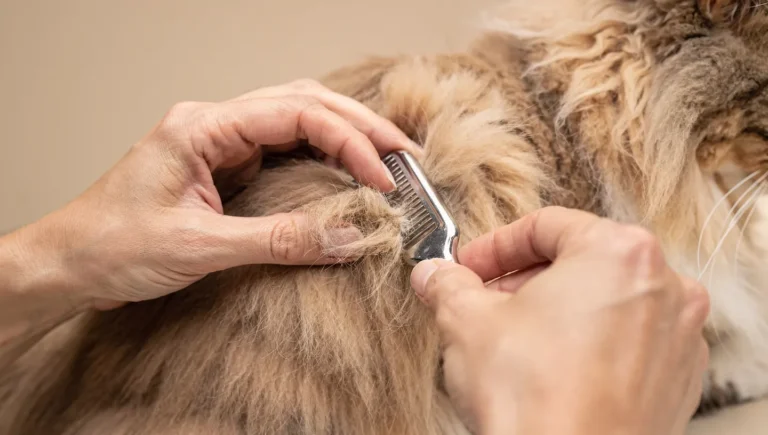
Another crucial reason many owners overlook is preventing painful mats. When loose hair isn’t removed regularly—especially in long-haired cats—it tangles and tightens. Mats can pull on the skin, trap moisture, and cause real pain.
Left untreated, they often force owners to visit a groomer or vet for shaving. Regular brushing stops this problem before it starts.
Brushing also helps you notice changes early:
- Lumps or bumps under the fur
- Sensitive areas your cat reacts to
- Skin irritation or redness
- Changes in coat texture
If you notice your cat reacting oddly to grooming, it might be related to other health issues. For instance, a cat that is grooming excessively and then vomiting might be struggling. You can read more about this in our guide: Why does my cat throw up after eating?
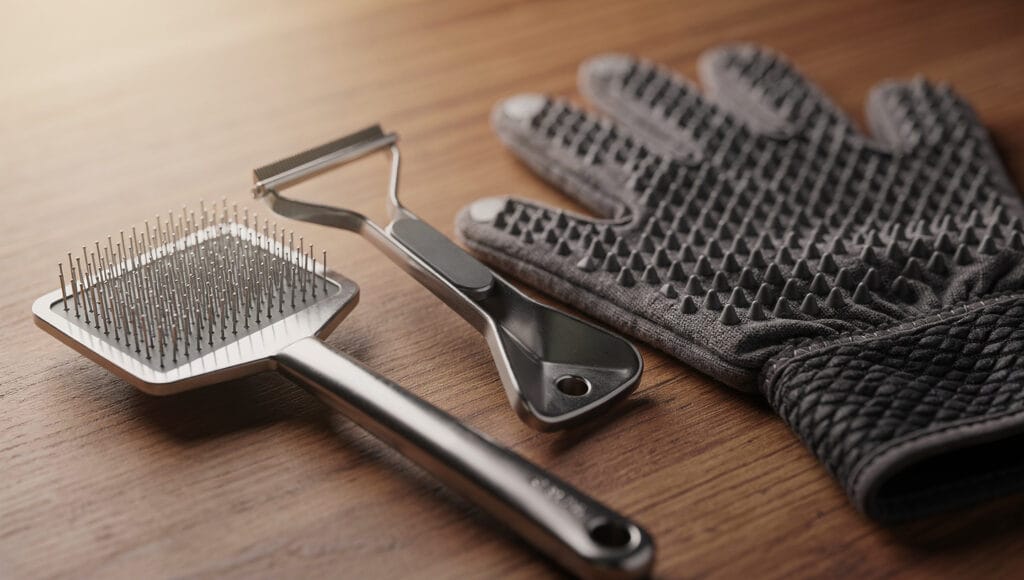
Best cat brush for shedding and grooming tools comparison
🪮 Choosing the Right Tools for Brushing Your Cat
Not all grooming tools are created equal. Using the wrong brush can turn a calm moment into a stressful experience—especially if your cat is sensitive or already dislikes being brushed.
The right tool depends on your cat’s coat type, shedding level, and personality. Choosing wisely makes brushing easier and far more comfortable for your cat. Below is a clear comparison to help you pick the best cat brush for shedding without guessing.
📊 Cat Brushing Tools Comparison Guide
| Tool Type | Best For | Coat Type | Key Benefits | Notes |
|---|---|---|---|---|
| Slicker Brush | Daily grooming | Long / Medium | Removes loose fur and tangles | Use gently on sensitive skin |
| Deshedding Tool | Heavy shedding | Long & Short | Reduces loose undercoat hair | Highly effective; do not overuse |
| Grooming Gloves | Nervous cats | Short hair | Gentle, feels like petting | Less effective for thick mats |
For more official guidance on choosing proper cat grooming tools, the Humane Society recommends tools that match your cat’s specific coat density.
If shedding is your biggest concern, a deshedding tool for cats works best when used occasionally. For daily maintenance, a slicker brush is often the best shedding brush for cats. If your cat dislikes traditional brushes, cat grooming gloves are an excellent starting point.
🐾 Step-by-Step Guide on How to Brush Your Cat
Learning how to brush your cat properly isn’t about speed or force. It’s about timing, gentleness, and reading your cat’s comfort level.
- Choose the Right Moment: Start when your cat is already relaxed—after a meal, a nap, or quiet playtime.
- Let Your Cat Investigate: Before brushing, allow your cat to sniff the brush or tool to reduce fear.
- Start With Gentle Strokes: Begin in the direction of hair growth, using very light pressure.
- Brush Favorite Areas First: Most cats prefer the cheeks, head, and back. Avoid the belly and tail base initially.
- Keep Sessions Short: Early sessions should last 1–3 minutes only to build long-term success.
- Watch Body Language Closely: If you see tail swishing or flattened ears, pause or stop immediately.
- End With Praise or a Reward: Finish with a treat to help your cat associate brushing with positive outcomes.
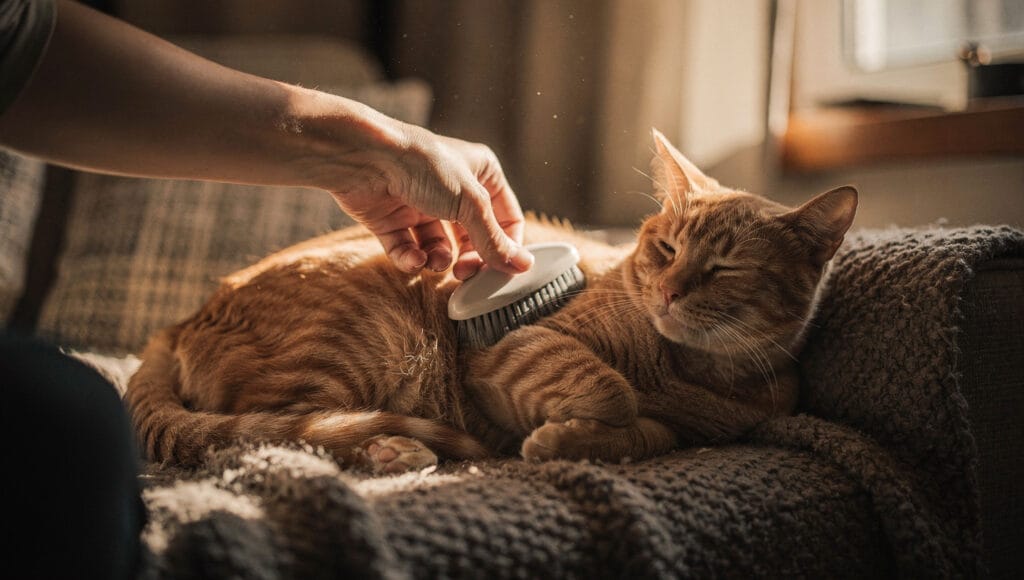
Step-by-step guide on how to brush your cat properly
😾 How to Brush a Cat That Hates It
If brushing feels impossible, you’re not alone. Learning how to brush a cat that hates it requires patience, empathy, and a shift from control to cooperation.
The first rule is simple: never force brushing. To reduce cat grooming stress, start with ultra-short sessions (10–20 seconds) and pair them with high-value treats.
Understanding cat body language and tail signals is vital here. If you can read the subtle warnings before a swat or bite, you can stop before frustration escalates. Check out our Cat Tail Language: The Ultimate Guide to become an expert at reading these signals.
Respect the “No”: If your cat walks away, let them. Stopping when they choose to disengage reinforces trust and makes future sessions much easier.
📦 Expert Tip: Turn Brushing Into a Mini Health Check
Brushing time is your best chance to notice changes early. As you brush, gently run your hands along your cat’s body. Look for small lumps, tender spots, redness, or scabs. Early discovery makes a world of difference.
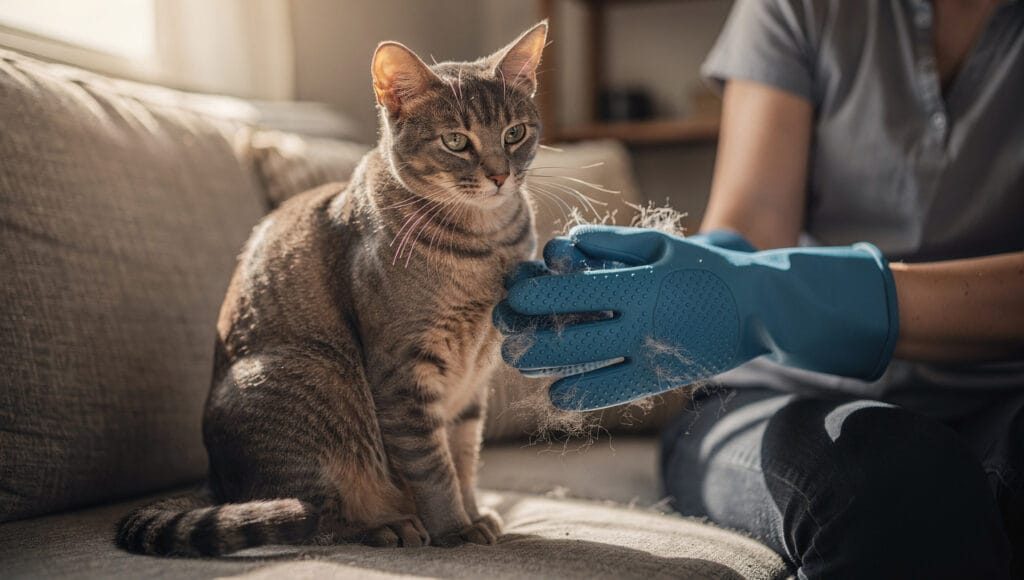
How to brush a cat that hates grooming without stress
💙 A Calm Routine, A Stronger Bond
Brushing your cat doesn’t have to feel overwhelming. With the right tools, gentle timing, and a little patience, grooming can become one of the most peaceful moments you share together.
Every calm brushing session protects your cat’s skin and prevents problems before they start. More than that, it builds trust—showing your cat that your touch is safe, predictable, and caring. Start small, stay consistent, and kindness will lead you to grooming success.
❓ Frequently Asked Questions
How often should I brush my cat?
Most short-haired cats benefit from brushing 1–2 times per week. Long-haired cats need brushing at least 3–4 times per week, and sometimes daily, to prevent painful mats.
Can I use a human brush on my cat?
No, using a human brush isn’t recommended. Cat brushes are designed specifically for feline fur density and skin sensitivity. Human brushes can pull hair or irritate the skin.
What is the best cat brush for shedding?
The best cat brush for shedding depends on the coat. For heavy shedding, a deshedding tool works best occasionally, while a slicker brush is ideal for everyday maintenance.