
Senior cat care is a journey of love, patience, and proactive health management that ensures your aging companion enjoys their golden years in comfort. As cats age, their physiological needs change dramatically, often shifting so subtly that even the most attentive owners might miss the early signs of dehydration or nutritional gaps.
Understanding these shifts isn’t just about prolonging life; it’s about enriching every moment they spend purring by your side. Providing the right balance of moisture and nutrients is the cornerstone of preventive health for older felines.
Whether you are managing a specific health condition or simply want to keep your “old soul” feeling young, mastering the nuances of their changing metabolism is essential. But how can you really tell if your senior cat is properly hydrated?
Table of Contents
🐈 Senior Cat Care: Why Hydration Becomes a Priority
Many senior cats still eat well — but barely touch their water bowl. This is one of the most common observations in senior cat care, and it often points to a significant change in their aging physiology. Unlike younger, more active felines, an older cat’s body may not signal the brain as effectively when it is time to hydrate.
This natural decline in the thirst drive means that your cat might not feel thirsty even when their body urgently needs fluids. In the wild, cats obtain most of their moisture from prey, but domestic senior cats rely entirely on their caregivers to bridge this gap as natural instincts begin to fade.
According to the Cornell Feline Health Center, age-related changes can significantly affect a cat’s hydration needs and overall comfort, making proactive care essential as cats enter their senior years.
💡 Expert Tip:
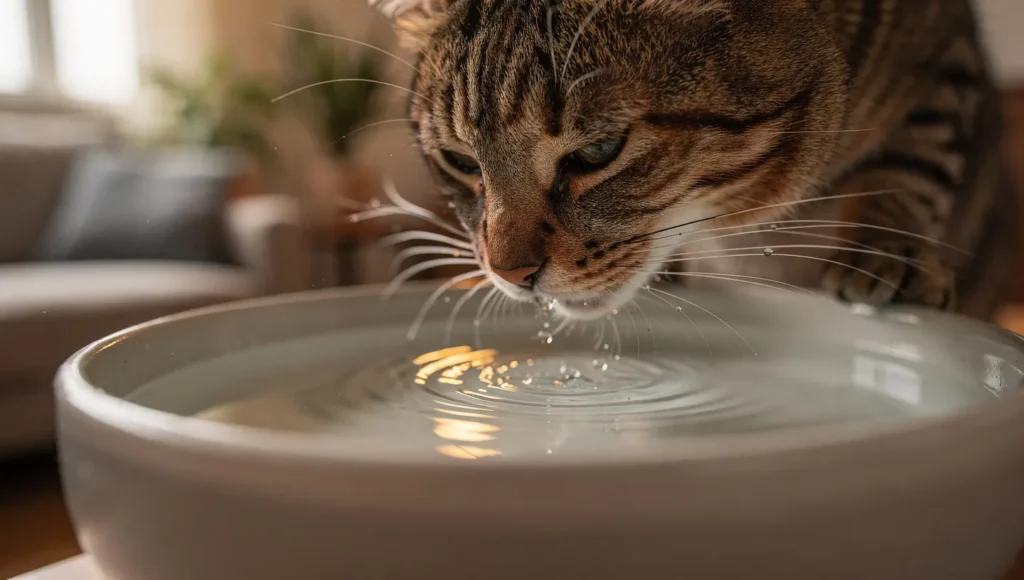
Older cats often develop whisker fatigue or find it uncomfortable to lean down. Switching to a raised water fountain can help—running water stimulates curiosity, and the elevation reduces strain on stiff, aging joints.
Beyond just thirst, the way an aging body processes water changes. This makes staying hydrated a cornerstone of preventive health, ensuring their internal systems continue to function smoothly without unnecessary strain.
🍎 The Role of a Specialized Diet in Preventive Health
A specialized diet is often the most effective tool an owner has to manage the changing needs of a senior feline. As your cat enters their golden years, their metabolism slows down, and their ability to digest fats and proteins may fluctuate. This makes the “one size fits all” approach of standard adult kibble less ideal for long-term vitality.
One of the biggest shifts in senior nutrition is the focus on high moisture content. Many owners find themselves debating between different feeding styles to support their cat’s aging kidneys. If you are currently deciding on the best format for your pet, understanding the pros and cons of Wet vs Dry Cat Food is crucial for maintaining proper hydration through meals.
Boosting Feline Appetite: It is common for older cats to become “picky eaters” as their sense of smell fades. A specialized diet for seniors often features stronger aromas and softer textures to encourage eating. Warming up wet food slightly can release those scents, making the meal irresistible even for cats with a diminished appetite.
Kidney-Friendly Nutrients: Preventive health for seniors focuses heavily on kidney support. Specialized formulas typically balance phosphorus levels and include high-quality, easily digestible proteins to reduce the workload on your cat’s internal systems without sacrificing muscle mass.

💧 Beyond Water: Safe Hydration Drinks for Cats
When plain water isn’t enough to entice your aging friend, exploring hydration drinks specifically formulated for felines can be a game-changer. These liquids are designed to be highly palatable, often mimicking the savory scents of chicken or fish that seniors find hard to resist.
One common question in senior cat care is whether water with electrolytes is safe for older pets. It is vital to remember that human sports drinks (like Gatorade or Liquid I.V.) are dangerous for cats due to high sugar and sodium content. However, feline-specific electrolyte solutions can be highly beneficial, especially for supporting cellular function and maintaining fluid balance in aging bodies.
🌟 Expert Tip: The “Tuna Splash” Secret If your cat is being stubborn about drinking, try the “Tuna Splash.” Take a can of tuna in water (not oil), and add a tablespoon of that water to their bowl. The strong aroma acts as a natural lure, encouraging them to lap up more fluids without even realizing it!
Safe Broth Criteria: If you choose to use broths as a hydration booster, ensure they are:
- Salt-Free: Sodium is hard on senior kidneys.
- Onion & Garlic Free: These are toxic to cats in any form.
- Room Temperature: Cold liquids can sometimes discourage seniors with sensitive teeth.
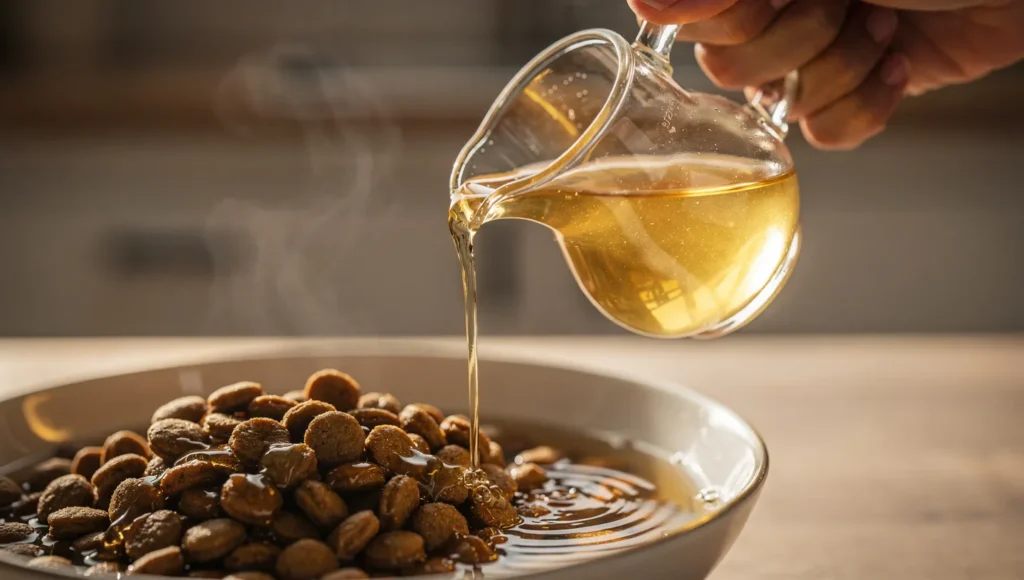
⚡ Electrolyte Supplements: Boosting Feline Vitality
While a balanced diet is the foundation of senior cat care, there are times when your aging friend needs an extra boost. Electrolyte supplements can provide that critical support, helping to maintain the delicate balance of minerals like potassium, sodium, and magnesium that keep their heart and muscles functioning optimally.
Knowing when to introduce these supplements is key to preventive health. Learning how to tell if your cat is sick often starts with recognizing subtle signs of dehydration, such as a loss of skin elasticity or lethargy. In these moments, an electrolyte boost can make a world of difference.
When to Consider Electrolyte Supplements:
- Seasonal Heat: During warmer months, senior cats are at a higher risk of fluid loss even if they stay indoors.
- Post-Activity Recovery: If your senior still has “zoomies” or play sessions, electrolytes help replenish what is lost during exertion.
- Kidney Health Support: For cats needing extra renal care, maintaining a perfect electrolyte balance reduces the metabolic stress on their system.
Always choose supplements that are specifically labeled for feline use. These are tailored to the unique pH levels of a cat’s body, ensuring they get exactly what they need without any hidden fillers or harmful additives.
📊 Summary Table: Hydration Methods Comparison
Choosing the right approach for senior cat care involves balancing convenience with your cat’s specific preferences. To help you decide which hydration strategy works best for your home, here is a quick comparison of the most effective methods.
| Method | Primary Benefit | Best For… |
|---|---|---|
| Fresh Tap/Filtered Water | Cost-effective and simple. | Daily maintenance for active seniors. |
| Cat Water Fountains | Encourages drinking through movement. | Cats with low thirst drive or “whisker fatigue.” |
| Cat-Safe Broths | High palatability and strong aroma. | Picky eaters who need extra liquid intake. |
| Hydration Packets | Concentrated moisture and nutrients. | Mixing with dry food to boost moisture. |
By combining these methods, you can create a “hydration ecosystem” that caters to your cat’s changing moods and physical abilities, ensuring they never go too long without essential fluids.
🧠 Practical Senior Cat Care Tips for Daily Success
Implementing a few senior cat care tips into your daily routine can make a noticeable difference in your cat’s comfort and vitality. Small, consistent adjustments are often far more effective than drastic changes, especially for senior cats who thrive on predictability and a low-stress environment.
These daily adjustments are also supported by the American Association of Feline Practitioners (AAFP), which emphasizes environmental comfort, easy access to hydration, and routine monitoring as core pillars of proper senior cat care.
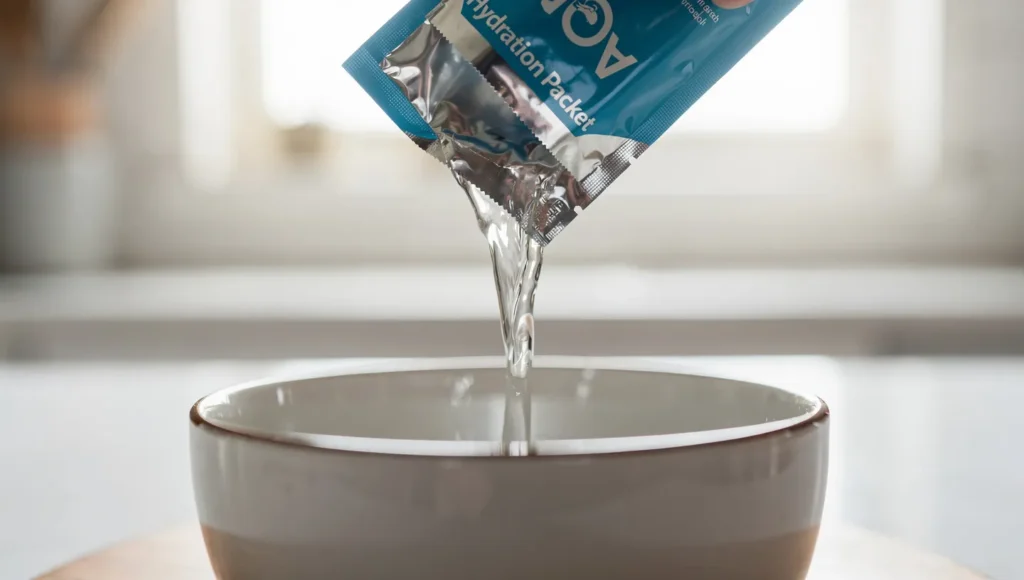
One of the most effective ways to boost daily fluid intake is the use of hydration packets. These nutrient-rich liquid supplements can be poured directly over meals, adding both flavor and moisture. Because they are highly palatable, they often encourage even reluctant senior cats to finish their food while passively increasing overall hydration.
Daily Habits for a Hydrated Senior:
- The “Multiple Station” Strategy: Place water bowls in every room where your cat spends time. As mobility decreases, a senior cat might skip a drink if the walk to the kitchen feels too long.
- Monitor the Litter Box: Your cat’s waste is a window into their health. If you notice changes in frequency or consistency, it might be time to check our guide on Best Cat Litter 2026 to ensure their environment remains clean and inviting.
- Temperature Control: Some seniors prefer lukewarm water as it is easier on sensitive gums. Experiment to see if your cat prefers room temperature over chilled water.
- Quality Over Quantity: Always read the back of the packaging. Understanding Cat Food Labels will help you identify which products contain the highest moisture and lowest “filler” content.
By keeping a close eye on these daily nuances, you aren’t just feeding a pet; you are providing high-level preventive care that supports their longevity and happiness.