
Why are my cat’s whiskers falling out is likely the first frantic thought that crossed your mind when you spotted a thick, wiry hair lying on your white rug today. It looks different from regular fur—it’s stiffer, longer, and feels like it carries a lot of “cat-related importance.” For most of us, finding a stray whisker feels a bit like finding a piece of our cat’s soul just sitting on the sofa.
In my experience as a feline behavior consultant, I’ve seen many owners panic, thinking their cat is losing their sense of balance or, worse, their health. I’ve worked with cats that seemed perfectly fine, yet their owners were convinced something was wrong because of one or two fallen whiskers. Let’s breathe—most of the time, this is a completely natural part of being a cat.
Table of Contents
- Why Are My Cat’s Whiskers Falling Out Naturally? 🐈
- The Anatomy of a Fallen Whisker
- How Many Whiskers Are Too Many?
- Do cats regrow lost whiskers, and how long does it take?
- Why are my cat’s whiskers falling out due to environmental stress?
- Do cats shed whiskers in winter?
- 🧐Cat whiskers falling out on one side: Should you worry?
- Whisker Fatigue vs. Hair Loss: What’s the difference?
- Cat eyebrow whiskers falling out: Is it the same thing?
- Frequently Asked Questions About Cat Whiskers
- Is it bad if my cat loses a whisker?
- Can I cut my cat’s whiskers?
- How long does it take for a whisker to grow back?
- Why is my kitten losing whiskers?
- When to see a professional: Warning Signs 🏥
Why Are My Cat’s Whiskers Falling Out Naturally? 🐈
Why are my cat’s whiskers falling out naturally is a question that leads us to the fascinating world of the feline “Shedding Cycle.” Just like the hair on your head or the fur on your cat’s back, whiskers have a life cycle. They grow, they rest, and eventually, they fall out to make room for a new, stronger one.
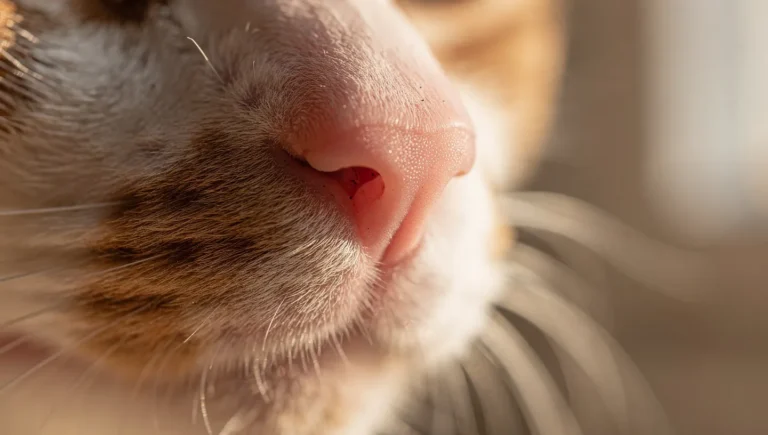
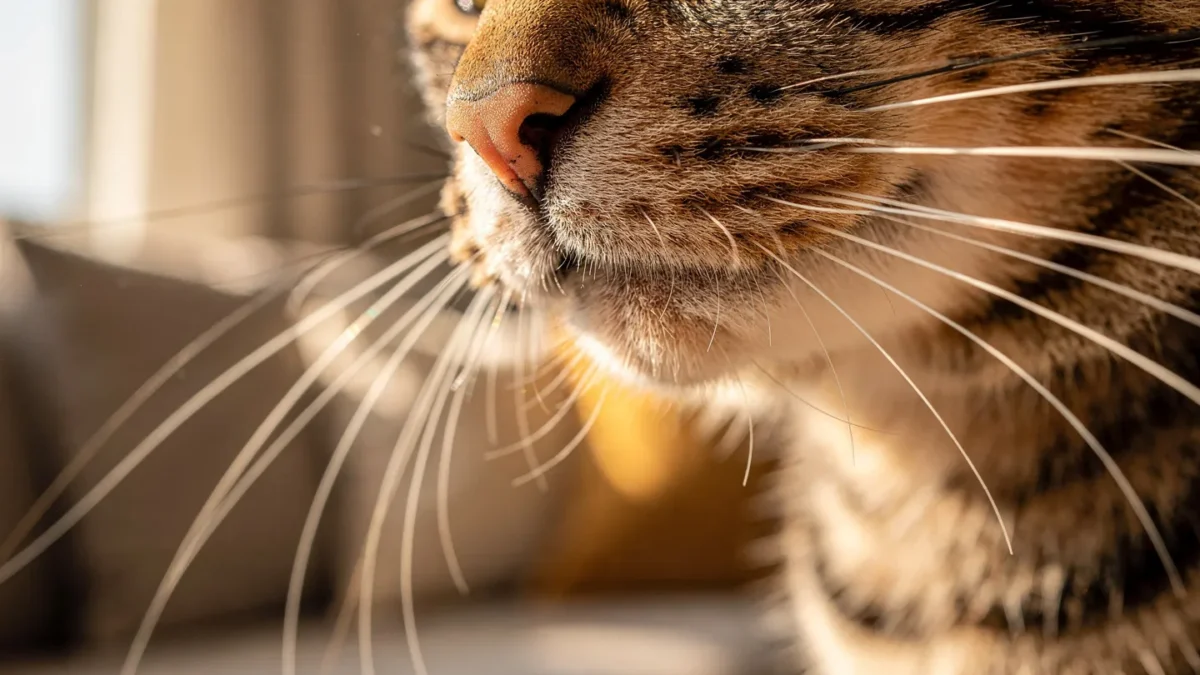
Whiskers, or vibrissae, are actually deep-seated sensory organs. They are rooted three times deeper in the skin than regular fur and are surrounded by a rich supply of nerves and blood vessels. This is why understanding their shedding cycle is crucial for your peace of mind.
The Anatomy of a Fallen Whisker
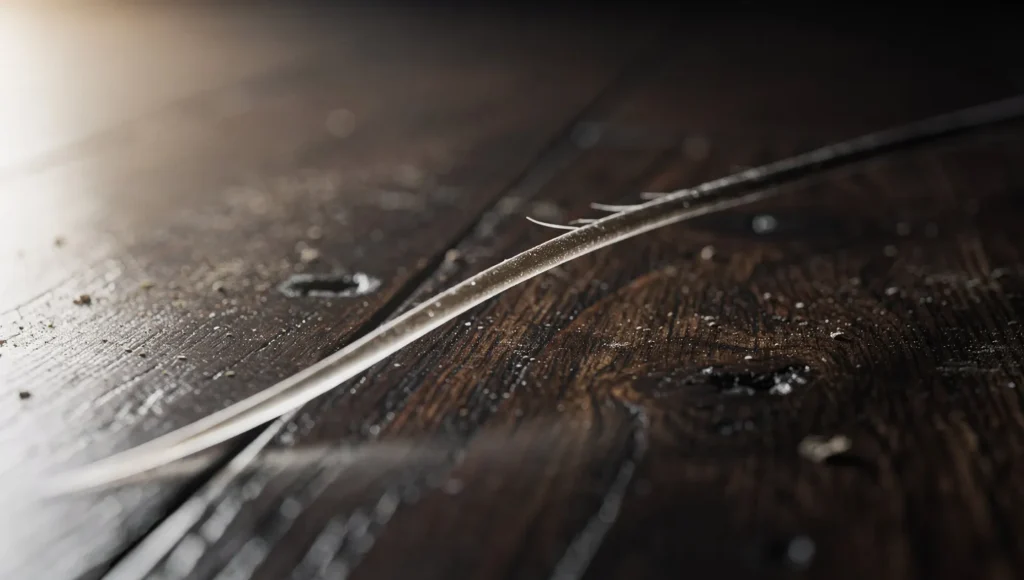
One mistake I often see owners make is confusing a broken whisker with a naturally shed one. If you look closely at the whisker you found, a naturally shed one will usually have a tapered, pointed end and a thin, slightly bulbous root.
Here is what happens during a normal cycle:
- Anagen Phase: The whisker is actively growing from the follicle.
- Catagen Phase: The follicle shrinks and the growth stops.
- Telogen Phase: The whisker is “resting” while a new one begins to push it out from underneath.
Understanding your cat’s body language is key here; a cat losing a whisker naturally will still act like the king of the house, showing no signs of distress or irritation.
How Many Whiskers Are Too Many?
How often do cats lose whiskers? Typically, a cat will lose one or two whiskers every few months. If you find one whisker every few weeks, you are likely just witnessing the final stage of the Telogen phase.
| Shedding Type | Frequency | Look & Feel |
|---|---|---|
| Natural Shedding | Once every few months | Tapered end, clean root |
| Mechanical Breakage | Random/Occasional | Blunt or frayed end |
| Health Issue | Multiple at once | Patchy areas, red skin |
I’ve often noticed that owners of indoor cats notice shedding more frequently simply because they are closer to their pets. If your cat is acting normally and you only find an occasional “gift” on the floor, you are likely just seeing nature at work.
Do cats regrow lost whiskers, and how long does it take?
One of the biggest concerns I hear is: “If it falls out, is it gone forever?” The short answer is no. Cats absolutely regrow their whiskers, but it is a slow process compared to regular fur.
In my experience, a full-length whisker can take anywhere from two to three months to reach its original size. During this time, the new whisker will look like a tiny, stiff stub emerging from the muzzle.
Why are my cat’s whiskers falling out due to environmental stress?
Why are my cat’s whiskers falling out due to environmental stress? that highlights how sensitive these animals truly are. While a stray whisker here and there is normal, a sudden “clump” of loss can be a physiological response to high cortisol levels.
I’ve worked with cats that started losing whiskers shortly after a big move or the introduction of a new pet. If you notice this happening alongside other symptoms, you might be dealing with cat separation anxiety or general environmental stress.
Do cats shed whiskers in winter?
While cats don’t “shed” whiskers seasonally in the same way they lose their undercoat in the spring, environmental changes in winter can play a role. The dry air from indoor heating can make whiskers more brittle, leading to more frequent breakage.
Many owners mistake this for hair loss.
Expert Tip: The Shallow Bowl Solution
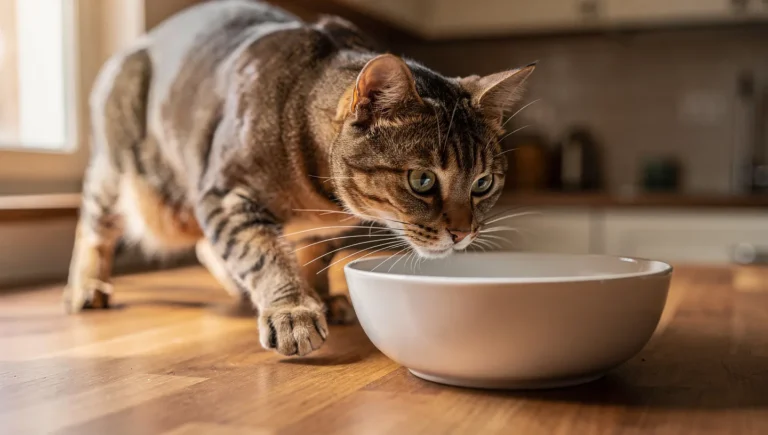
If you notice your cat’s whiskers look frayed or if they are “flicking” their face after eating, check their bowl. Wide, shallow bowls prevent “Whisker Fatigue,” a condition where the sensitive hairs are overstimulated by touching the sides of a deep dish.
🧐Cat whiskers falling out on one side: Should you worry?
Finding whiskers missing from only one side of the face usually points to a localized issue rather than a systemic health problem.
Common reasons for one-sided loss include:
- Localized Friction: Does your cat sleep with one side of their face pressed against a rough radiator or scratching post?
- Over-grooming: In multi-cat households, a “dominant” groomer might over-lick a sibling’s face, causing whisker damage.
- Allergies: Contact dermatitis from a specific plastic bowl can cause inflammation on one side.
If you are dealing with a “bully” groomer in the house, you might need to revisit how to introduce two cats properly to balance the social dynamics.
Whisker Fatigue vs. Hair Loss: What’s the difference?
It is vital to distinguish between a whisker falling out and the hair around the whiskers falling out. If the skin looks bald, red, or scaly, this is no longer a “whisker” issue—it’s a skin issue.
One mistake I often see is owners ignoring “thinning” areas around the muzzle. If you see patches of skin, it could be ringworm or a flea allergy. For more on preventative care, check out our guide on flea prevention for cats to rule out external parasites.
Cat eyebrow whiskers falling out: Is it the same thing?
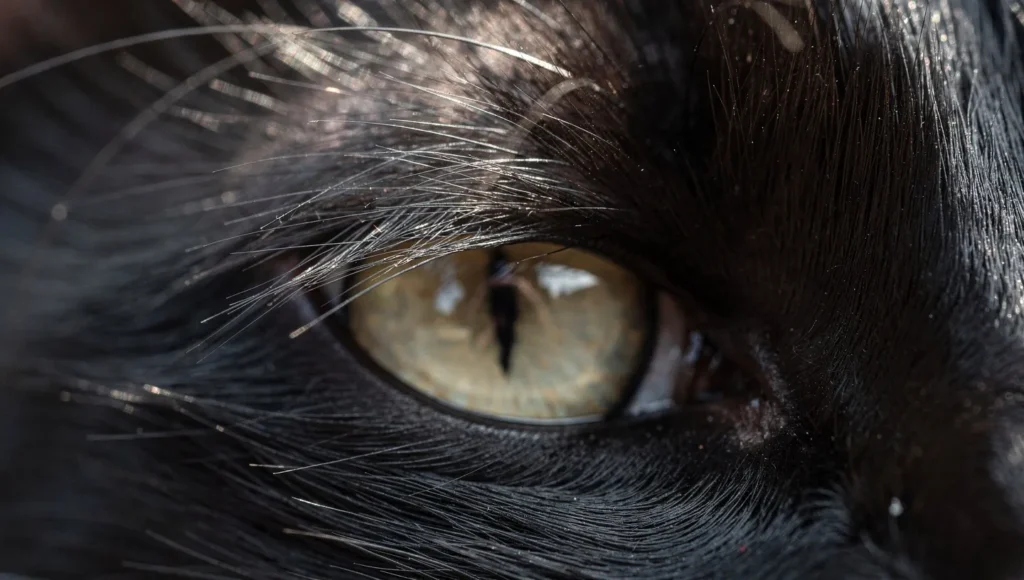
Yes! The whiskers above the eyes (superciliary whiskers) are just as important and follow the same shedding cycle as the ones on the muzzle. They help your cat navigate in the dark and protect their eyes from low-hanging branches or furniture corners.
Frequently Asked Questions About Cat Whiskers
Is it bad if my cat loses a whisker?
No. Losing one or two whiskers occasionally is completely normal.
Can I cut my cat’s whiskers?
No. Whiskers are sensory tools, and trimming them can affect your cat’s spatial awareness.
How long does it take for a whisker to grow back?
Typically two to three months.
Why is my kitten losing whiskers?
Kittens also go through natural shedding cycles, just like adult cats.
When to see a professional: Warning Signs 🏥
While we’ve established that some loss is normal, you should contact your vet if you notice:
- Total Loss: If your cat loses all whiskers on one side suddenly.
- Skin Lesions: Redness, crusting, or bleeding at the whisker base.
- Behavioral Shifts: Lethargy or loss of appetite accompanying the whisker loss.
According to the Cornell Feline Health Center, whiskers are essential for a cat’s spatial awareness. If they are losing them due to illness, their quality of life can be affected quickly.
Always remember: your cat’s whiskers are their radar system. Treat them with respect, and never, ever trim them!