
How to bathe a cat is a task that many owners dread, often imagining a chaotic scene of flying fur, splashing water, and sharp claws. While it’s true that most felines aren’t exactly fans of the bathtub, there are times when a deep clean is necessary—whether they’ve gotten into something messy or need a medicated scrub.
The secret to a successful, scratch-free experience isn’t about “forcing” the water; it’s about preparation, patience, and understanding your cat’s unique boundaries. By following a structured approach, you can turn a potential disaster into a bonding moment that leaves your cat smelling fresh and feeling comfortable.
Table of Contents
- 🫧 How to bathe a cat: Preparation is 90% of the Job
- ✨ Expert Tip: The “Tired Cat” Strategy
- 🌡️ The Golden Rule of Water Temperature
- 🧼 Choosing the Best Cat Safe Shampoo
- 📊 Comparing Shampoo Types
- 💡 Quick Summary
- 🛁 How to Wash Your Cat: A Step-by-Step Guide
- 🌬️ Drying Tips: Keeping Your Cat Warm and Stress-Free
- ✨ Expert Tip: The Post-Bath Reward
- How to Bathe a Kitten: Building Lifelong Trust
- 🐾 Expert Tip: The Hand-Wash Method
- 🧴 Waterless Flea Shampoo for Cats: The Stress-Free Hack
- ❓ Frequently Asked Questions About Bathing Cats
- How often should you bathe a cat?
- Can I bathe my cat if it has fleas?
- What should I do if my cat absolutely hates water?
- Quick Recap: Can I use Baby Shampoo?
- 🐈 Final Thoughts: It’s About Trust, Not Just Bubbles
- 🌟 Pro-Tip for Post-Bath Bliss
🫧 How to bathe a cat: Preparation is 90% of the Job
Before a single drop of water touches your feline friend, you need a solid game plan. Jumping straight into the bath is the quickest way to trigger a “fight or flight” response. Professional groomers know that the work starts hours before the actual washing begins.
- Trim Those Talons: Start by clipping your cat’s nails. This is your primary defense against accidental scratches if they get startled. For a safe technique, check out our guide on how to trim cat nails safely.
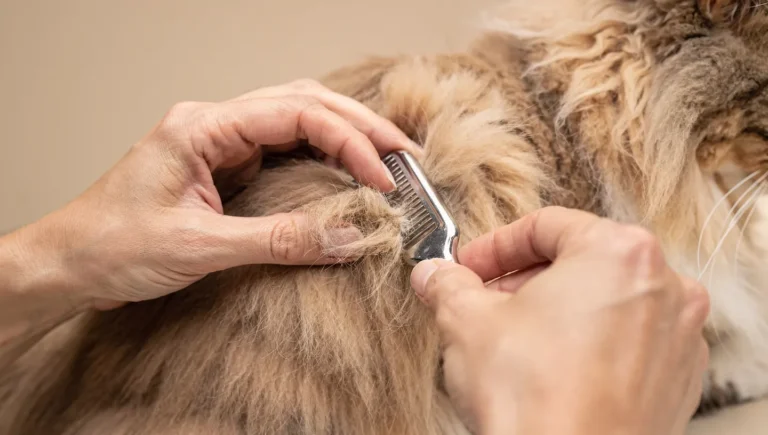
- Brush Out the Mats: Water acts like glue for tangled fur. Once a mat gets wet, it’s nearly impossible to remove without scissors. Spending ten minutes brushing your cat beforehand ensures the shampoo reaches the skin and prevents painful post-bath knots.
- Gather Your Supplies: Never leave a wet cat unattended to go find a towel. Have everything within arm’s reach: cat-safe shampoo, a pitcher for pouring, several warm towels, and high-value treats.
✨ Expert Tip: The “Tired Cat” Strategy
Schedule your bath session after a vigorous play period. A cat that has just spent 20 minutes “hunting” a feather wand is much more likely to be relaxed and compliant during the bathing process than one with pent-up energy.
- Cotton Ball Trick: Gently place large cotton balls in your cat’s ears (don’t push them deep!) to prevent water from entering the ear canal, which can lead to painful infections or extreme discomfort.
🌡️ The Golden Rule of Water Temperature
One of the biggest mistakes owners make is using water that is too hot or too cold. A cat’s normal body temperature is higher than ours (between 101.5°F and 102.5°F), making them extremely sensitive to thermal changes.
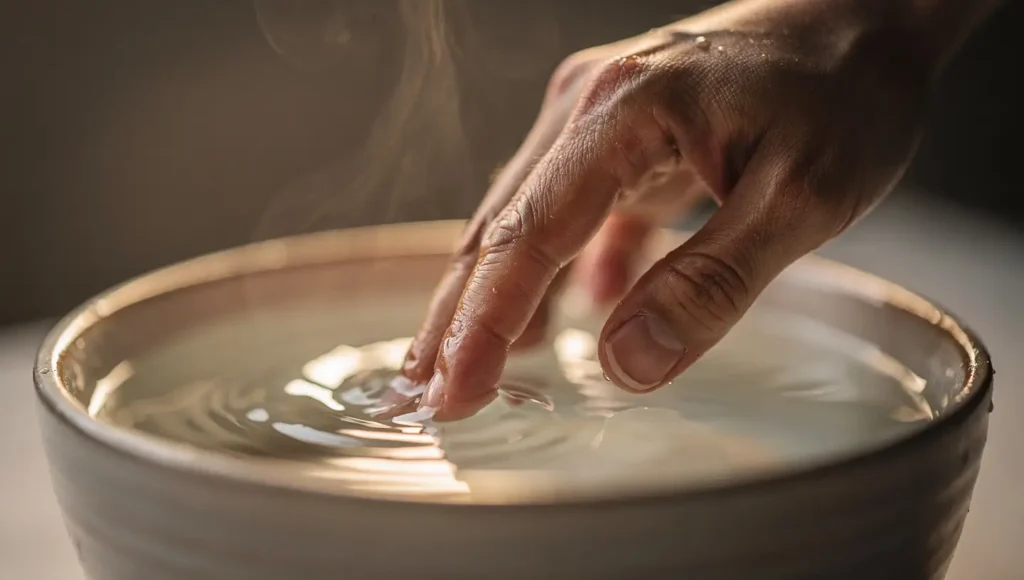
The ideal water temperature for a cat bath should be lukewarm—roughly 90°F to 100°F (32°C to 38°C). If it feels slightly warm to your elbow (which is more sensitive than your hand), it is just right for your feline friend.
- Avoid Running Water: The sound of a splashing faucet can sound like a roaring waterfall to a cat. Fill the tub or sink before bringing the cat into the room to keep the environment whisper-quiet.
- The Shallow Approach: Fill the basin only about 3 to 4 inches deep. Seeing a deep “pool” of water is often enough to send a cat into a panic.
🧼 Choosing the Best Cat Safe Shampoo
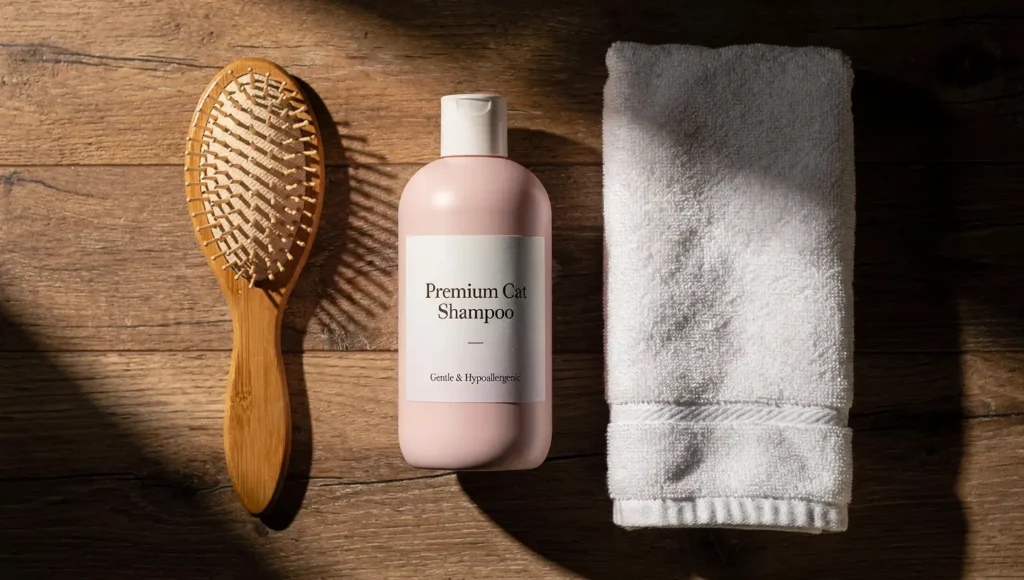
Using your personal herbal essences or baby shampoo might seem harmless, but it can be devastating for a cat’s skin. Human skin has a pH of around 5.5 (acidic), while a cat’s skin is closer to 7.5 (neutral). Using the wrong product can strip their natural oils, leading to severe irritation or even chemical burns.
If you are dealing with parasites, a flea bath for cats requires even more specific care. Always look for products labeled specifically for felines to avoid toxic ingredients like essential oils or high concentrations of permethrin.
📊 Comparing Shampoo Types
| Shampoo Type | Best For… | Key Feature |
|---|---|---|
| Standard Cat Shampoo | Routine cleaning | pH balanced and fragrance-free. |
| Flea Bath Shampoo | Killing active parasites | Contains feline-safe insecticides or pyrethrins. |
| Oatmeal-Based Shampoo | Sensitive or dry skin | Soothes itchiness and restores moisture. |
| Waterless Foam | Water-phobic cats | No-rinse formula for quick touch-ups. |
According to experts at VCA Animal Hospitals, you should always consult your vet before using a medicated flea bath for cats, especially if your pet has existing skin sores or is very young.
💡 Quick Summary
Never use human, dog, or “natural” shampoos containing tea tree or peppermint oil. Stick to a high-quality cat safe shampoo to maintain their skin’s protective barrier and prevent toxic reactions.
🛁 How to Wash Your Cat: A Step-by-Step Guide
Now that the stage is set, it’s time to begin the actual process. The goal is to keep your movements slow and your voice calm. Cats are masters at sensing human anxiety, so stay relaxed to help them stay relaxed.
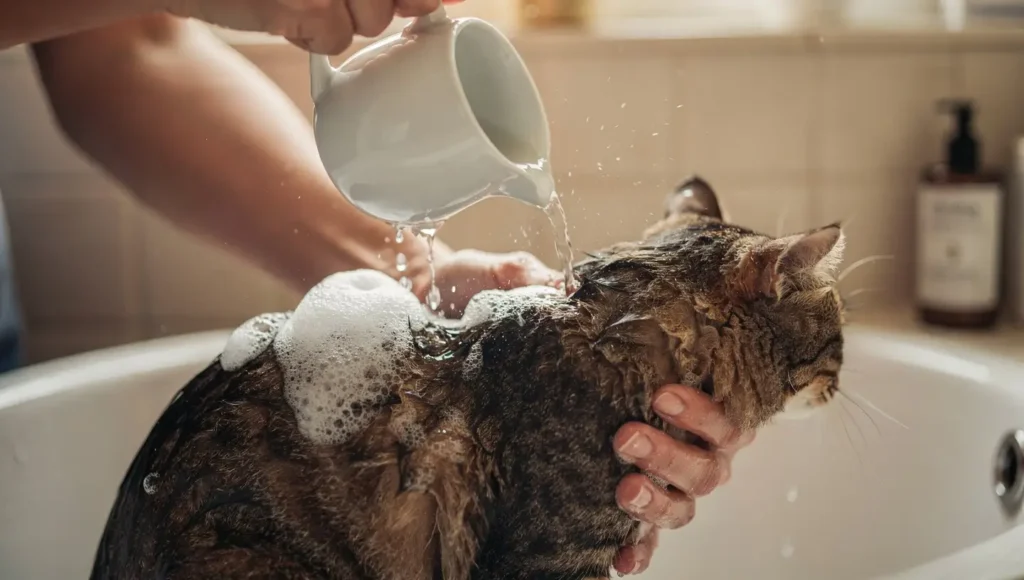
- The Gentle Wetting: Using a small pitcher or a gentle handheld sprayer (kept very close to the body), begin wetting your cat from the neck down to the tail. Never spray water directly in their face, as this triggers immediate panic.
- Apply the Shampoo: Pour a small amount of cat safe shampoo along their back. Gently massage it into their fur in the direction of hair growth. Pay special attention to the paws and the underbelly where dirt often accumulates.
- The “Safe Zone” Face Wash: For the face, skip the pouring. Instead, dip a soft washcloth into the warm water and gently wipe around their eyes and ears.
- The Thorough Rinse: This is the most important step. Soap residue can irritate the skin and will be ingested when your cat licks themselves later. Rinse until the water runs completely clear and the fur feels “squeaky” to the touch.
🌬️ Drying Tips: Keeping Your Cat Warm and Stress-Free
Once the water stops, your cat’s instinct will be to bolt and hide. However, cats can get chilled very quickly, so a proper drying routine is essential for their health.
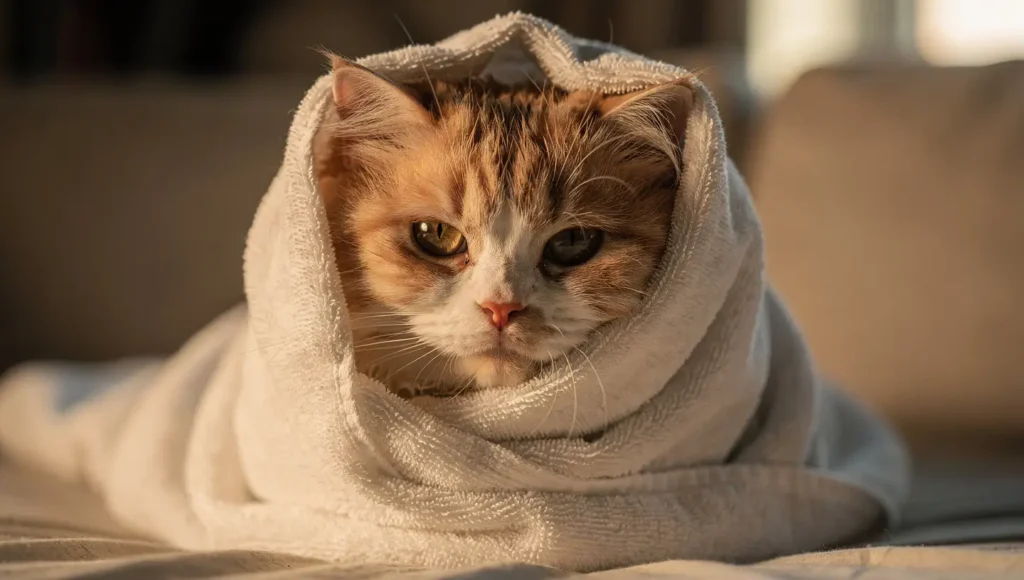
- The Towel Burrito: Immediately wrap your cat in a large, pre-warmed towel. Gently pat and squeeze the fur to absorb as much moisture as possible. Avoid vigorous rubbing, which can cause fur matting.
- Avoid the Blow Dryer: Unless your cat was raised with it, the loud noise and hot air of a hairdryer are usually too terrifying. Stick to multiple dry towels.
- Create a Warm “Recovery” Room: Keep your cat in a warm, draft-free room until they are 100% dry. This prevents them from catching a chill, especially in winter months.
✨ Expert Tip: The Post-Bath Reward
As soon as the towels are off, offer your cat their favorite high-value treat (like tuna or a lickable treat). This creates a “Positive Association.” Over time, your cat will learn that even though the bath is annoying, the reward at the end is worth it.
If your cat seems unusually lethargic or shivering excessively after their bath, it’s important to monitor them closely. You can refer to our guide on how to tell if your cat is sick to distinguish between normal bath-time grumpiness and actual distress.
How to Bathe a Kitten: Building Lifelong Trust
If you are wondering how to bathe a kitten, the approach needs to be even gentler than with an adult cat. Kittens are more susceptible to temperature changes and can become traumatized if the experience is too intense. However, starting young is the best way to ensure they grow up to be “water-tolerant” adults.
- Wait for the Right Age: Unless they are covered in something toxic, don’t give a full bath until they are at least 8 weeks old.
- Use a Sink, Not a Tub: The smaller space of a bathroom sink feels much more secure for a tiny kitten.
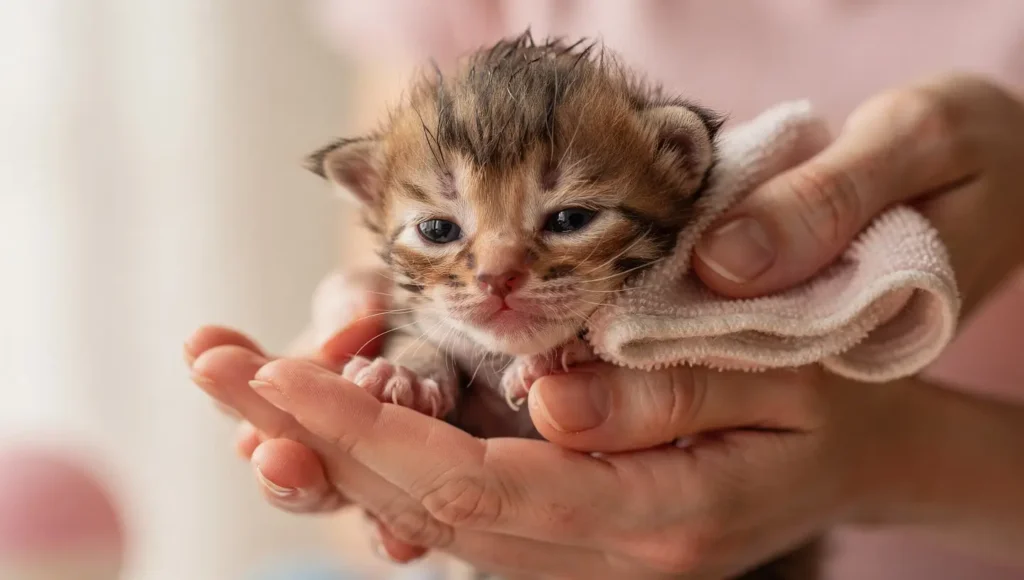
- Warmth is Critical: Kittens cannot regulate their body temperature well. Ensure the room is extra warm and have a fluffy towel ready the second they come out of the water.
🐾 Expert Tip: The Hand-Wash Method
For very small kittens, you don’t even need to submerge them. Dip your hand in the warm water and gently stroke their fur. Slowly introduce a wet washcloth with a tiny drop of cat safe shampoo. This “soft” introduction builds immense trust for future grooming sessions.
🧴 Waterless Flea Shampoo for Cats: The Stress-Free Hack
Sometimes, despite your best efforts, a traditional bath is simply too stressful—especially for senior cats or those with extreme water phobia. This is where waterless flea shampoo for cats becomes a lifesaver.
These no-rinse foams and sprays are designed to break down oils and kill parasites without the need for a single drop of liquid water. They are the perfect “middle ground” for maintaining hygiene while keeping cortisol levels low.
- How it Works: You simply massage the foam into their dry fur, let it sit for a minute, and then towel it off.
- Best for Seniors: Older cats often have arthritis; standing in a tub can be painful. A waterless rub-down is much more comfortable for them.
- Effective Results: While not a replacement for a deep medicated scrub, the best flea shampoo for cats in foam form can significantly reduce flea populations and soothe itchy skin instantly.
According to research from the Cornell Feline Health Center, reducing environmental stress is just as important as medical treatment when managing feline health.
❓ Frequently Asked Questions About Bathing Cats
How often should you bathe a cat?
Most healthy indoor cats rarely need baths—usually once every few months or only when they get into something dirty. Over-bathing can strip natural oils from their skin. Unless your vet recommends otherwise, grooming and brushing are often enough for routine care.
Can I bathe my cat if it has fleas?
Yes, but only using a cat safe shampoo specifically labeled for flea treatment. Never use dog or human flea products. In severe cases or for kittens, consult your vet first, as improper flea baths can irritate the skin or be unsafe.
What should I do if my cat absolutely hates water?
If your cat shows extreme fear, scratching, or panic, skip traditional baths. Use alternatives like waterless flea shampoo for cats, grooming wipes, or spot cleaning. Reducing stress is more important than forcing a full bath.
Quick Recap: Can I use Baby Shampoo?
No. Even though it’s “gentle” for humans, a cat’s skin pH is different. Always stick to a dedicated cat safe shampoo to avoid dryness and irritation. If you’re in a pinch, a warm water rinse is safer than using human products.
🐈 Final Thoughts: It’s About Trust, Not Just Bubbles
At the end of the day, learning how to bathe a cat is less about the scrubbing and more about the bond you share. While your feline friend might not purr with joy during the process, your calm energy and careful preparation turn a stressful chore into a manageable routine. Remember, every cat is an individual—some might eventually tolerate the water, while others will always prefer a quick wipe-down. Respect their boundaries, keep the treats flowing, and always prioritize their comfort over a “perfect” clean.
🌟 Pro-Tip for Post-Bath Bliss
Once your cat is 100% dry and back to their usual self, spend some extra time playing or cuddling. This “reconciliation” time helps erase the memory of the scary bathtub and reinforces the idea that you are their safe haven, no matter how many bubbles were involved!