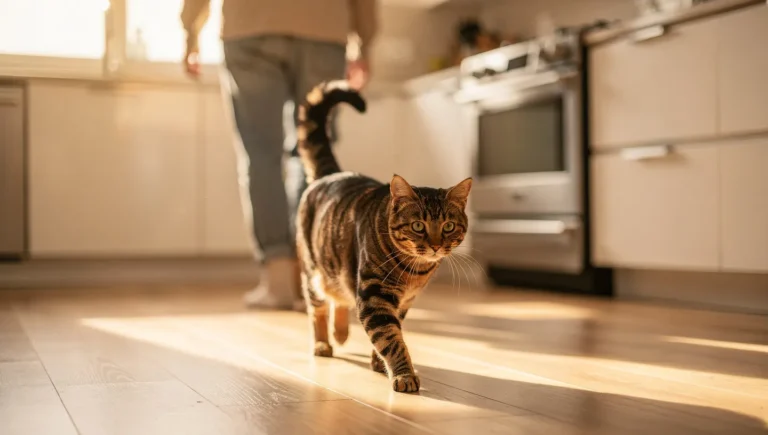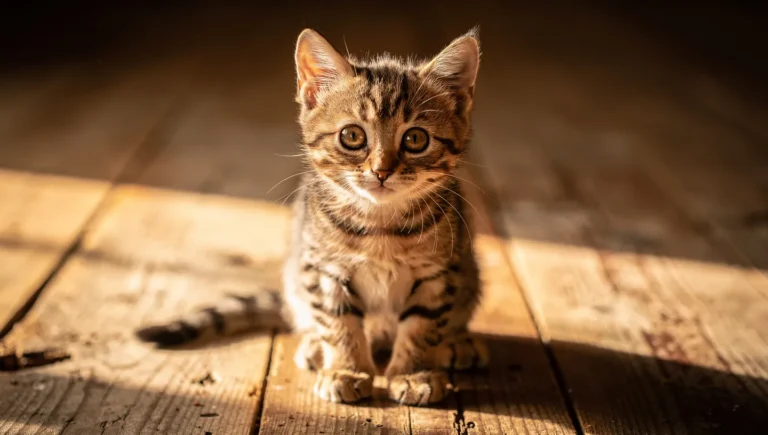

Why do cats sleep so much is a thought that likely crosses your mind when you glance over at your cat… and there they are. Curled up. Peaceful. Asleep again.
If you’ve ever wondered, “Is my cat sleeping too much?” you’re not alone. This is one of the most common questions veterinarians hear from loving cat parents.
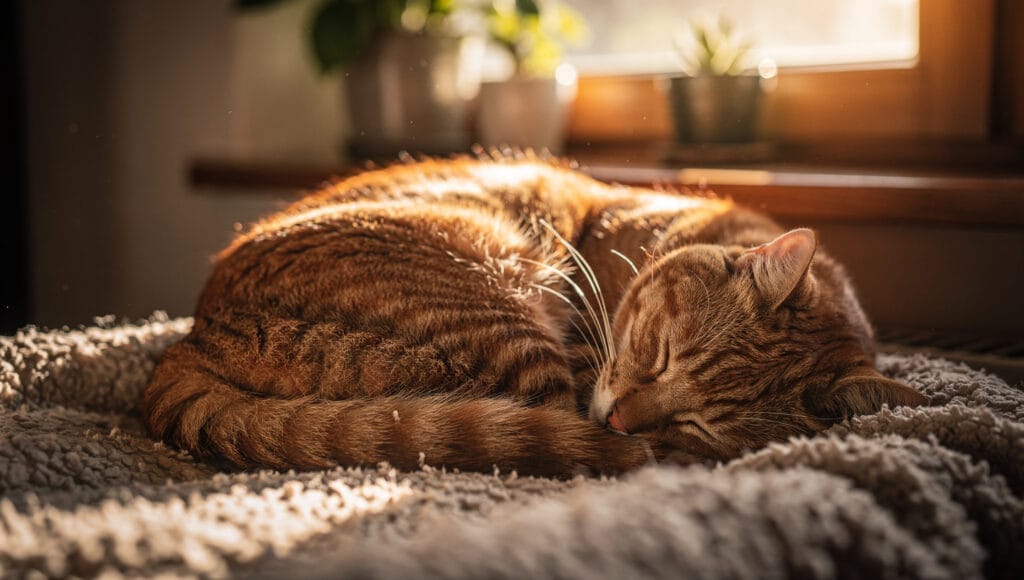
Cat sleeping deeply in warm sunlight, illustrating normal cat sleeping habits
Here’s the reassuring truth: sleeping a lot is usually a sign of a healthy cat, not a lazy or sick one. Cats are biologically wired to rest more than humans—and once you understand why, that long nap suddenly makes perfect sense.
In this guide, I’ll walk you through what’s normal, what’s not, and how many hours of sleep your cat truly needs at every stage of life.
Table of Contents
- How Many Hours Do Cats Sleep a Day?
- 🐾 Sleep Hours by Age Group
- Why this is completely normal
- Why Do Cats Sleep So Much? (The Real Reasons)
- Cat Sleeping Positions Meaning (What Your Cat Is Telling You)
- 🐾 The Belly Up (Exposed Tummy)
- 🍞 The Loaf (Meatloaf Position)
- 🌀 The Crescent / Donut (Curled Up)
- 🐈 Side Sleeper
- 😴 Paws Over Eyes
- 🧾 Quick Summary: Sleeping Positions at a Glance
- Normal Sleep vs. Lethargy (When Sleep Is NOT Normal)
- 🔔 The Stimulus Test
- 📊 Vital Comparison: Normal Sleepy Cat vs. Lethargic Cat
- 🚨 When Lethargy Becomes a Red Flag
- Signs Your Cat’s Sleep Might Signal a Health Problem
- Can You Wake a Sleeping Cat? (Important Safety Tip)
- How to Support Healthy Sleep in Cats
- Frequently Asked Questions (FAQ)
How Many Hours Do Cats Sleep a Day?
Short answer: A lot—and that’s normal. On average, cats sleep 12 to 16 hours per day, but the exact number depends heavily on age. Just like humans, a cat’s sleep needs change over time.
🐾 Sleep Hours by Age Group
| Cat’s Age | Average Sleep per Day | What It Means |
|---|---|---|
| Kittens (0–1 year) | 18–20 hours | Growth, brain development, and learning burn massive energy. |
| Adult Cats (1–7 years) | 12–16 hours | Energy conservation between short bursts of activity. |
| Senior Cats (7+ years) | 16–18 hours | Slower metabolism and joint comfort needs. |
Why this is completely normal
Cats are natural hunters, even if they live indoors and have a full food bowl. Their bodies are designed to save energy, sleep deeply, and wake up fast for short, intense activity.
That’s why your cat may sleep all afternoon… then suddenly zoom around the house at night. This rhythm is instinctive, not a problem. What matters most isn’t how long your cat sleeps—but how they act when they’re awake. Appetite, curiosity, grooming, and responsiveness tell us far more than the clock ever could.
Why Do Cats Sleep So Much? (The Real Reasons)
At first glance, it may look like your cat sleeps simply because they can. In reality, every long nap is driven by biology, instinct, and survival wiring that hasn’t changed for thousands of years. Here’s what’s really happening behind those closed eyes:
- Instincts: Built for Hunting, Not Hustling: Cats are natural ambush predators. In the wild, hunting requires short bursts of intense energy and explosive speed. To make that possible, their bodies are designed to conserve energy whenever they can. Sleep is how cats “recharge” for a hunt—even if the only thing they’re hunting today is a toy mouse in the living room.
- REM Sleep: Yes, Cats Do Dream: Just like humans, cats experience REM sleep (Rapid Eye Movement sleep). During this stage, the brain stays highly active, processing memory and learning. If you’ve ever seen your cat’s whiskers twitch or paws move, you’re likely watching a dream.
- Weather: Why Rainy Days Mean Extra Naps: Many cat owners notice that when the weather turns gloomy, their cat sleeps more. This isn’t a coincidence. Cats are sensitive to changes in barometric pressure and lower light levels. Rain naturally signals to your cat’s body that it’s the perfect time to conserve energy.
- Boredom vs. Sleep: There Is a Difference: For indoor cats, the line between sleep and boredom can blur. Healthy sleep looks like deep, relaxed resting. Boredom-related sleeping happens when there’s no mental stimulation. In these cases, the solution isn’t less sleep, but more quality play and routine.
Cat Sleeping Positions Meaning (What Your Cat Is Telling You)
Your cat doesn’t speak your language—but their sleeping position says a lot. When a cat chooses how to sleep, they’re sending clear signals about trust, comfort, and safety.
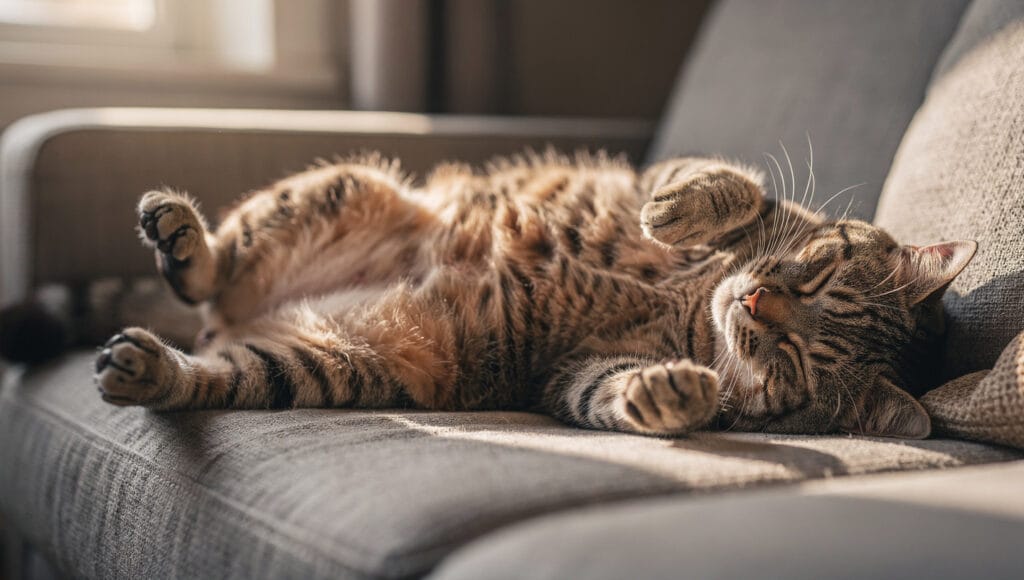
Cat sleeping belly up, explaining trust and cat sleeping positions meaning.
🐾 The Belly Up (Exposed Tummy)
Meaning: Ultimate trust — but not an invitation. When a cat sleeps on their back with their belly fully exposed, this is one of the strongest signs of trust. The belly protects vital organs, so revealing it means they feel completely safe.
Note: This is rarely an invitation for belly rubs! Think of it as a display of confidence, not a request.
🍞 The Loaf (Meatloaf Position)
Meaning: Calm, comfortable, lightly alert. In the loaf position, your cat tucks all four paws under their body. This tells us they are relaxed but ready to wake up quickly if needed. It’s the perfect balance between rest and readiness.
🌀 The Crescent / Donut (Curled Up)
Meaning: Warmth, protection, and instinct. When a cat curls tightly into a ball, they are conserving body heat and protecting their vital organs. This is deeply instinctual and often appears when the room is cooler or the cat wants to feel extra secure.
🐈 Side Sleeper
Meaning: Deep relaxation and emotional safety. A cat sleeping stretched out on their side is likely in deep, restorative sleep. Their muscles are fully relaxed because they aren’t worried about threats. It’s a quiet sign that your home feels like a true safe zone.
😴 Paws Over Eyes
Meaning: “Do not disturb” mode. Simple and cute: they are blocking out light or minimizing stimulation. It’s your cat politely asking for peace and quiet.
🧾 Quick Summary: Sleeping Positions at a Glance
| Position Name | Meaning | Trust Level |
|---|---|---|
| Belly Up | Complete comfort and vulnerability | Ultimate |
| Loaf | Calm rest with awareness | High |
| Curled Up / Donut | Warmth and protection | Medium |
| Side Sleeper | Deep, relaxed sleep | High |
| Paws Over Eyes | Blocking light, resting | Medium |
Normal Sleep vs. Lethargy (When Sleep Is NOT Normal)
It’s important to understand one key medical truth: Lethargy is not just “sleeping a lot.” Lethargy is a noticeable lack of energy, motivation, and responsiveness—even when your cat should be alert.
According to veterinary experts at the Cornell Feline Health Center, knowing your cat’s normal activity level is crucial for spotting illness early.
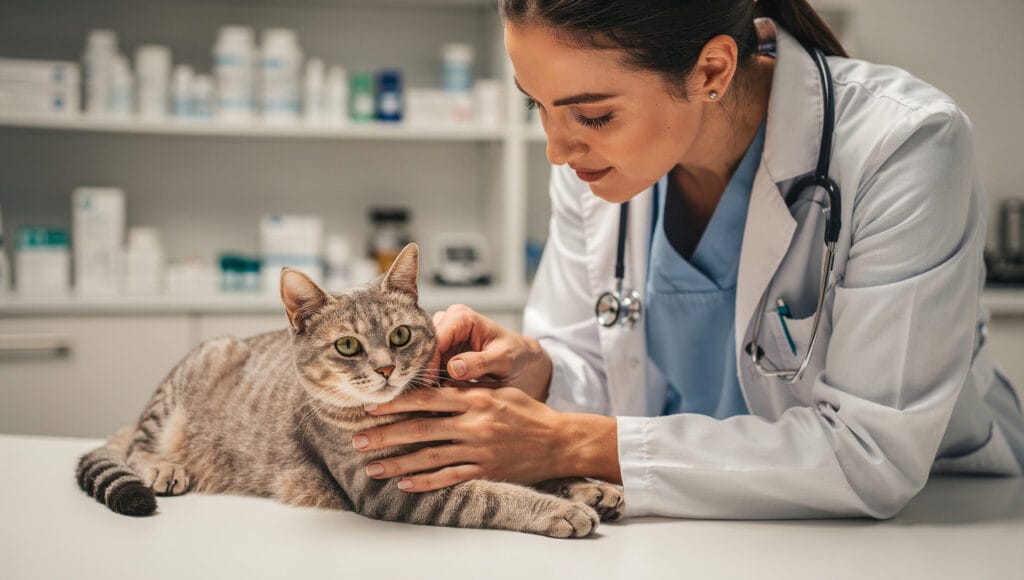
Veterinarian examining a cat to explain the difference between normal sleep and lethargy.
🔔 The Stimulus Test
Veterinarians often rely on response to stimulation. Try shaking the treat bag or opening a can of food. A normally sleepy cat will wake up (even if slowly). A lethargic cat often won’t respond, or their reaction will be weak and delayed.
📊 Vital Comparison: Normal Sleepy Cat vs. Lethargic Cat
| Sign | Normal Sleepy Cat | Lethargic Cat |
|---|---|---|
| Response to Noise | Wakes up or looks alert | Little to no reaction |
| Appetite | Eats normally when awake | Reduced or absent appetite |
| Grooming | Maintains regular grooming | Fur looks unkempt or greasy |
| Handling | Tolerates touch, may stretch | Feels weak or unusually limp |
🚨 When Lethargy Becomes a Red Flag
If your cat is lethargic and experiencing vomiting, this can signal an underlying medical issue. This is especially important if the vomiting happens after meals. (Related: Why does my cat throw up after eating?)
Signs Your Cat’s Sleep Might Signal a Health Problem
While most long naps are harmless, certain changes around sleep can signal pain or illness. Watch closely for these warning signs:
- Hiding more than usual: As noted by the ASPCA, hiding is a common instinct for cats when they are in pain or feeling unwell. If your cat suddenly sleeps in closets or under beds, pay attention.
- Changes in breathing: Rapid or labored breathing during rest can point to respiratory issues.
- Difficulty jumping: If your cat avoids jumping or moves stiffly after resting, arthritis may be involved.
- Loss of interest: Sleeping longer while ignoring food or toys is a sign of low energy reserves.
Can You Wake a Sleeping Cat? (Important Safety Tip)
Yes—but how you do it matters. Cats have a powerful startle reflex. Waking them suddenly can cause them to hiss or scratch before they even realize it’s you. This reflex explains many incidents where owners feel their cat became aggressive “out of nowhere.”
(Related: Why Does My Cat Bite Me?)
The safe way to wake a cat: Use a soft voice or make a gentle noise from a distance. Avoid touching them directly until they are clearly awake.
How to Support Healthy Sleep in Cats
Healthy sleep is the result of a calm environment and meeting your cat’s biological needs.
- Create a Sleep Sanctuary: Choose a quiet, low-traffic area and offer soft bedding.
- Play Before Sleep: A short play session before bed releases pent-up energy and encourages deeper sleep.
- Nutrition Matters: A balanced diet is crucial for rest. Inconsistent feeding can disrupt sleep patterns. (Learn more in our guide: What Do Cats Eat?)
Frequently Asked Questions (FAQ)
Is it normal for a cat to sleep 20 hours a day?
Yes, especially for kittens and senior cats. As long as your cat eats, plays, and responds normally when awake, extended sleep is usually healthy.
Do cats dream?
Yes. Veterinary sources like PetMD explain that cats experience REM sleep, just like humans. Twitching paws are a common sign of dreaming.
Why does my cat sleep on my head?
Your head provides warmth and a steady scent. It is a bonding behavior and a sign your cat feels safe with you.
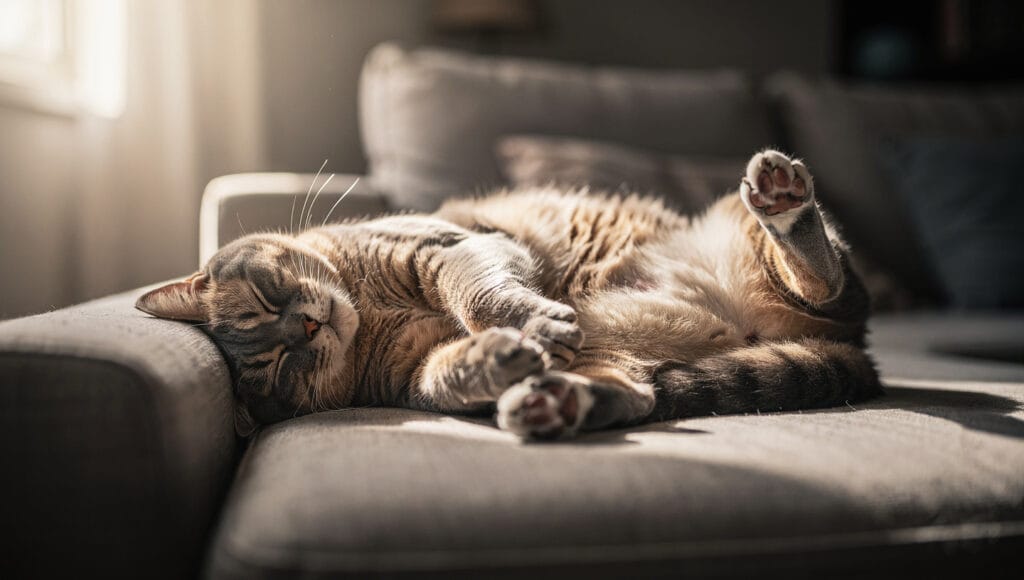
Funny cat sleeping in an unusual position, showing diverse cat sleeping habits.
Cats sleep a lot—and in most cases, that’s a sign of good health, not a problem. Understanding your cat’s sleep habits helps you spot real issues early while enjoying the quiet moments. Pay attention to patterns, trust your instincts, and let your cat rest. Those long naps are part of what keeps them healthy, balanced, and happy. Why do cats sleep so much is a question with a fascinating biological answer that helps us love them even better.