
You just bought a beautiful new couch, and within days, your cat has turned it into their personal scratching masterpiece. The arms are shredded, the fabric is pulling apart, and you’re left wondering: “Can anything really stop a cat from scratching furniture?”
I’ve been there. After years of working with frustrated cat owners, I’ve learned one critical truth: the problem isn’t your cat—it’s the environment. Cats don’t scratch furniture to punish you. They’re doing what their biology demands. And the good news? You can redirect this natural behavior in just 7 days using a science-backed, stress-free plan.
In this guide, I’ll walk you through exactly how to stop cat scratching furniture without declawing, punishment, or products that don’t work. You’ll get a day-by-day action plan to introduce the perfect cat scratching post, behavioral insights I’ve gathered from real cases, and the truth about what actually deters cats from destroying your home.
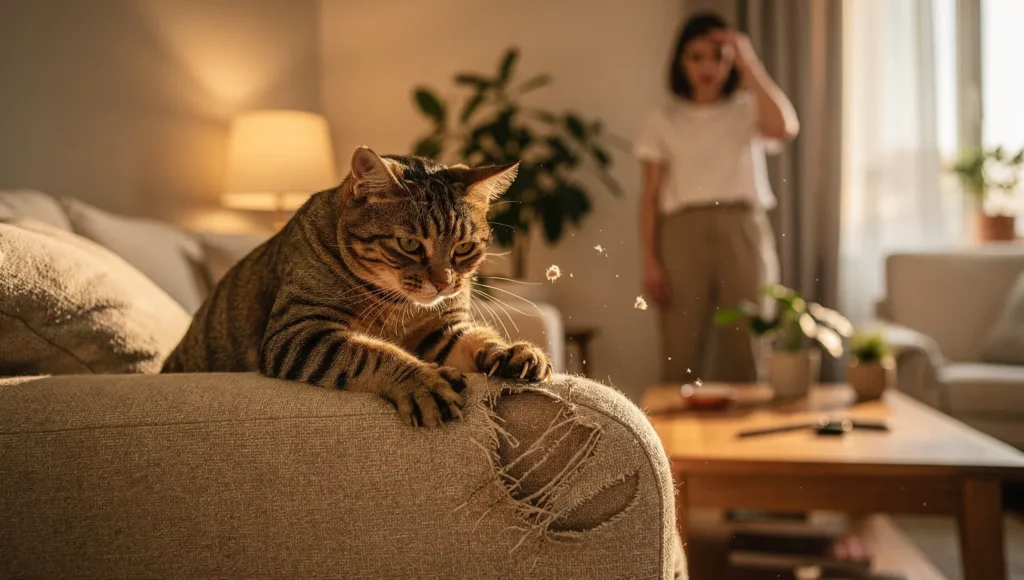
Table of Contents
- 🎯 Quick Summary: What You’ll Learn
- 🐾 Why Cats Scratch Furniture (And Why You Shouldn’t Stop It)
- The Real Reasons Cats Scratch
- 1. Scent Marking (The Invisible Territory Map)
- Why You Should Never Try to “Stop” Scratching Completely
- 🧪 Quick Self-Test: What’s Driving Your Cat’s Scratching?
- ✅ The Scratching Behavior Quiz
- 🎯 Your Results: What’s Really Going On?
- Ready to Start the Reset?
- 📅 The 7-Day Plan to Stop a Cat from Scratching Furniture
- 📍 Day 1 — Identify Target Zones
- 🛒 Day 2 — Choose the Best Cat Scratching Post
- 📍 Day 3 — Placement Strategy
- 🛡️ Day 4 — Using a Cat Couch Protector & Deterrents That Work
- 🎯 Day 5 — Redirection Training
- 🧘 Day 6 — Reduce Anxiety & Boredom
- 🔒 Day 7 — Habit Lock
- 🎉 What Happens After Day 7?
- 🛡️ The Best Furniture Protectors from Cats & Scratching Sprays
- 🛋️ Furniture Protectors (Physical Barriers)
- 🚫 Deterrent Sprays (Scent-Based)
- ✂️ Cat Scratcher Upgrades: Top Picks for Your Home
- 🧴 Does Your Cat Need a Cat Scratch Deterrent?
- 🎯 My Product Strategy (What I’d Buy Today)
- 👃 What Smells Do Cats Hate? + What NOT To Do + FAQs
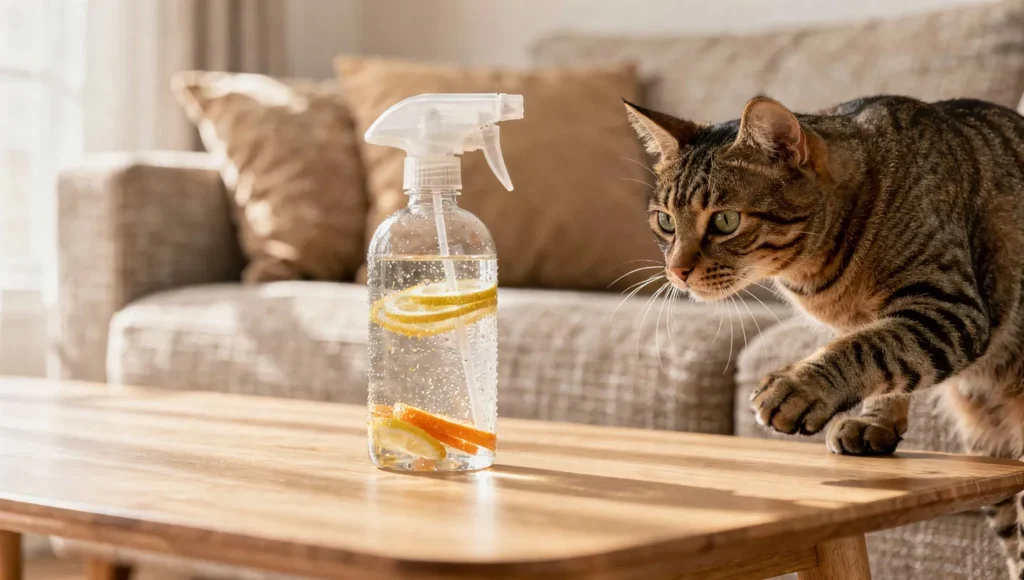
- 🌿 The Truth About Scent Deterrents
- 🚫 What NOT To Do (The “Never” List)
- ❓ Frequently Asked Questions
- 🎬 You’ve Got Everything You Need to Win This Battle
- 🐾 Your Next Steps (Do This Today)
- 💬 I Want to Hear Your Success Story
🎯 Quick Summary: What You’ll Learn
| Topic | What You’ll Get |
|---|---|
| Why cats scratch | The biological and emotional reasons behind the behavior |
| 7-Day Reset Plan | A step-by-step, printable daily guide to redirect scratching |
| Best deterrents | Sprays, smells, and protectors that actually work (and which ones don’t) |
| Scratcher selection | How to choose the right material, height, and placement |
| Anxiety & boredom fixes | Long-term solutions to prevent future scratching |
| What NOT to do | Why declawing and punishment make things worse |
💡 Expert Tip:
Before trying any solution, take the Quick Self-Test in the next section. Understanding why your cat scratches is 80% of solving the problem. The other 20%? That’s where the 7-Day Plan comes in.
🐾 Why Cats Scratch Furniture (And Why You Shouldn’t Stop It)
Here’s the myth that drives most cat owners crazy: “My cat is scratching the couch to punish me.”
Let me be clear—your cat isn’t angry at you. They’re not plotting revenge because you were late with dinner. Scratching is a hardwired, biological necessity that serves multiple critical functions. Understanding this is the first step to stop cat scratching furniture without fighting your cat’s nature.
The Real Reasons Cats Scratch
1. Scent Marking (The Invisible Territory Map)
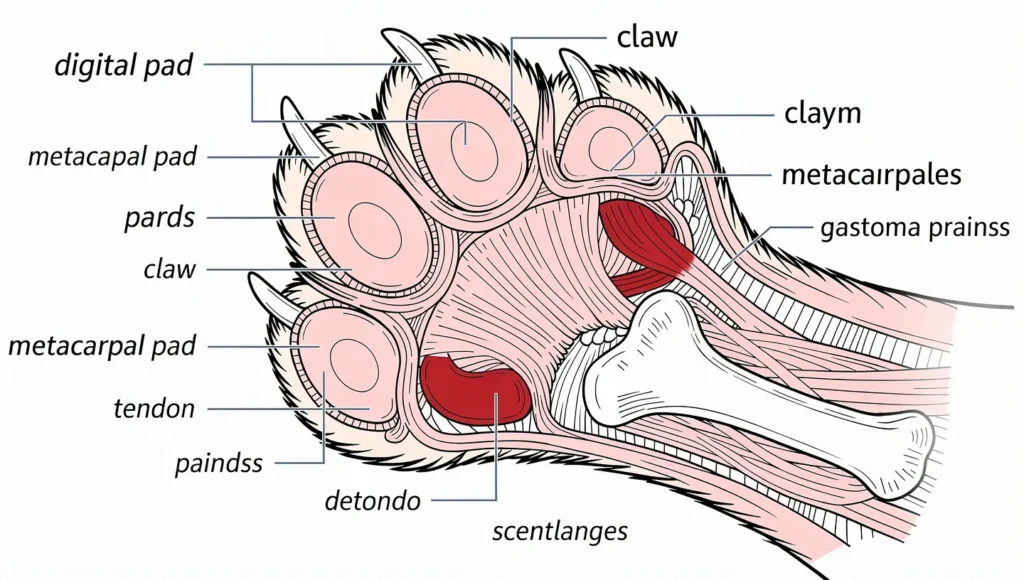
Your cat’s paws contain scent glands that release pheromones every time they scratch. To us, the couch just looks destroyed. To your cat, they’ve just posted a “This is mine” sign in a language only other cats can read. This scent-based communication is completely invisible to humans, but it’s how cats claim space and feel secure in their environment.
In my years of working with multi-cat households, I’ve noticed that scratching intensity increases when a new pet enters the home. Why? Your cat is reinforcing their territorial boundaries through scent.
2. Visual Marking (The “Keep Out” Sign)
Beyond scent, scratching creates visible marks—those shredded vertical lines on your furniture. This is deliberate. Cats use these visual cues to communicate with other cats (and even with themselves) about territory ownership. It’s the feline equivalent of a property deed.
If your cat scratches near windows or doorways, they’re likely marking high-traffic zones where they feel the need to assert presence. This connects directly to cat body language—scratching is just one tool in a complex communication system that includes tail position, ear angles, and vocalizations.
3. Physical Maintenance (Nail Care + Stretching)
Scratching removes the dead outer layer of claws, keeping them sharp and healthy. It’s also a full-body stretch that engages the muscles in their shoulders, back, and legs. Think of it as your cat’s version of yoga.
Ever notice your cat scratching right after waking up? That’s not random—it’s their natural routine to loosen muscles after sleep.
4. Emotional Release (Stress & Excitement)
Cats scratch when they’re anxious, excited, or overstimulated. If you’ve just come home after a long day and your cat starts shredding the scratching post (or couch), they’re releasing pent-up energy. This is healthy behavior—the problem is when the outlet is your furniture instead of an appropriate scratcher.
💡 Expert Tip:
Before you try to stop cat scratching furniture, ask yourself: “Does my cat have a better option?” If the answer is no, you’re fighting biology—and biology always wins. The solution isn’t to stop the behavior, but to redirect it to something your cat finds equally (or more) satisfying.
Why You Should Never Try to “Stop” Scratching Completely
Attempting to eliminate scratching entirely—through declawing, punishment, or restricting your cat’s movement—creates serious problems:
- Behavioral issues: Cats denied proper scratching outlets may develop anxiety, aggression, or litter box avoidance.
- Physical harm: Declawing is amputation and causes chronic pain. We’ll cover this in detail later.
- Trust erosion: Punishing natural behavior damages your bond and makes your cat fearful.
The goal isn’t to stop cat scratching furniture by removing the instinct. It’s to give your cat what they need in a place that works for both of you. That’s exactly what the 7-Day Reset Plan does.
🧪 Quick Self-Test: What’s Driving Your Cat’s Scratching?
Before you jump into solutions, you need to understand the root cause of your cat’s furniture destruction. This 60-second self-test will pinpoint whether your cat is scratching due to territorial instinct, anxiety, boredom, or simply lack of options.
Answer these questions honestly—your results will tell you exactly which day in the 7-Day Reset Plan to prioritize.
✅ The Scratching Behavior Quiz
1. Where does your cat scratch the most?
- A) Near windows, doors, or entry points
- B) On furniture in quiet rooms (bedroom, living room corners)
- C) Right after you come home or during playtime
- D) Everywhere—there’s no pattern
2. When does the scratching happen?
- A) When they see another cat outside or hear unfamiliar noises
- B) At night or when they’re alone
- C) Right after waking up or eating
- D) Randomly throughout the day
3. Does your cat have a scratching post or scratcher?
- A) Yes, but they ignore it completely
- B) Yes, but it’s too small or in the wrong spot
- C) No, I haven’t bought one yet
- D) Yes, and they use it sometimes—but still scratch furniture
4. How does your cat react when you approach them while scratching?
- A) They stop and stare at you (or continue defiantly)
- B) They run away or seem nervous
- C) They get excited and start playing
- D) No reaction—they just keep scratching
5. Are there other pets in your home?
- A) Yes—recently added a new cat or dog
- B) Yes, but they’ve lived together for a while
- C) No, my cat is the only pet
- D) Yes, and they don’t get along well
🎯 Your Results: What’s Really Going On?
Count your answers and find your dominant letter below:
🔴 Mostly A’s — Territorial Marking
What’s happening:
Your cat is using scratching to claim space, especially in high-traffic zones like doors and windows. This is classic visual and scent marking behavior. If you’ve recently moved, added a new pet, or rearranged furniture, your cat is reasserting ownership.
Your action plan:
→ Focus on Days 1, 3, and 4 of the 7-Day Reset Plan.
→ You need to place scratchers in their chosen spots (not where you think they should go).
→ Pair this with deterrents to protect furniture while you redirect the behavior.
Internal link: Understanding cat body language will help you identify other territorial signals your cat is sending.
🟡 Mostly B’s — Anxiety or Stress
What’s happening:
Your cat is scratching to self-soothe. Nighttime scratching, hiding, or scratching when alone points to emotional distress. This could be triggered by changes in routine, lack of enrichment, or even past trauma (especially common in rescue cats).
Your action plan:
→ Focus on Day 6 (Reduce Anxiety & Boredom) as your starting point.
→ You’ll need calming strategies like pheromone diffusers, consistent routines, and environmental enrichment.
→ Scratching is just the symptom—the real issue is stress management.
Internal link: Learn more about stress signals in why cats hide to spot anxiety early.
🟢 Mostly C’s — Boredom or Lack of Outlets
What’s happening:
Your cat has excess energy and nowhere to channel it. If scratching happens during play, after meals, or right after waking up, it’s a sign of understimulation. Your cat isn’t trying to destroy furniture—they just don’t have better options.
Your action plan:
→ Focus on Days 2, 5, and 6 of the 7-Day Reset Plan.
→ You need to introduce engaging scratchers (varied textures and heights) and increase daily play sessions.
→ Boredom-driven scratching stops fast once proper enrichment is in place.
Internal link: Pair scratchers with interactive cat toys to burn mental and physical energy.
🔵 Mostly D’s — Environmental + Habit Issues
What’s happening:
Your cat’s scratching is a mix of territory, habit, and convenience. They’ve learned that the couch works as a scratcher, and without a compelling alternative, they’ll keep using it. This is the most common scenario—and the easiest to fix.
Your action plan:
→ Follow the full 7-Day Reset Plan from start to finish.
→ You need a combination approach: proper scratcher selection, strategic placement, deterrents, and redirection training.
→ Consistency is everything—stick to the plan and you’ll see results by Day 7.
💡 Expert Tip:
No matter your result, never skip Day 1 (Identify Target Zones). Even if you think you know where your cat scratches, mapping their patterns reveals hidden triggers you might miss. I’ve seen cases where owners were protecting the wrong furniture entirely.
Ready to Start the Reset?
Now that you know why your cat is scratching, you’re ready to implement the solution. The next section breaks down the exact 7-day plan—no guesswork, no trial and error. Just proven steps that redirect scratching behavior while keeping your cat happy and stress-free.
Let’s stop cat scratching furniture for good.
📅 The 7-Day Plan to Stop a Cat from Scratching Furniture
This is where theory becomes action. Over the next seven days, you’ll transform your home from a scratching battlefield into a cat-friendly environment where your furniture stays intact and your cat stays happy.
Each day has one clear action item—no overwhelm, no guesswork. Follow this plan exactly as written, and by Day 7, you’ll have a sustainable system in place to stop cat scratching furniture for good.
💡 Pro Tip: Print this plan and check off each day as you complete it. Consistency is the difference between temporary relief and permanent change.
📍 Day 1 — Identify Target Zones
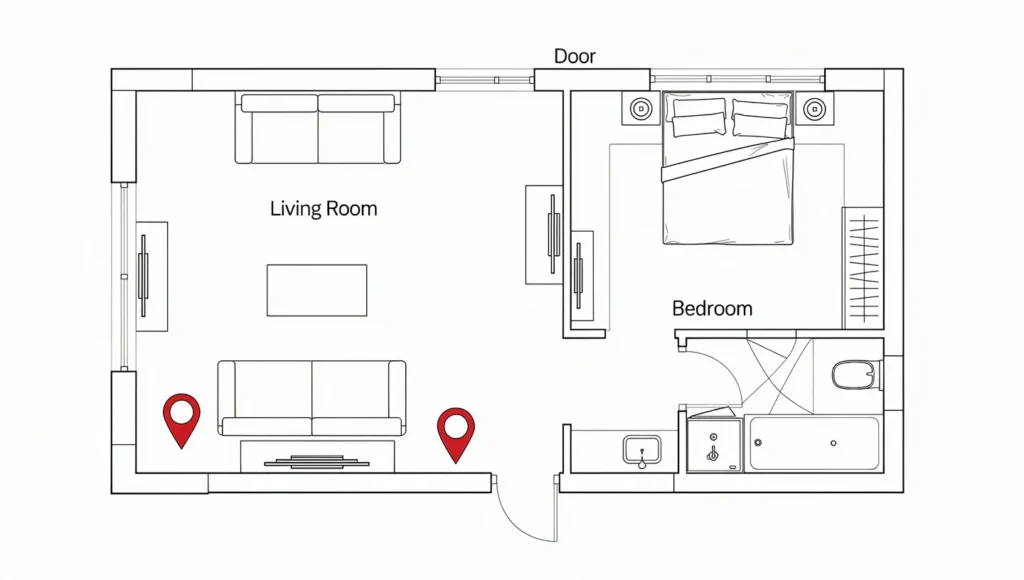
Action Item: Map every spot your cat scratches and document when it happens.
Why this matters:
You can’t solve a problem you don’t fully understand. Most cat owners protect the obvious furniture (the couch) while missing hidden scratching zones like door frames, carpeted stairs, or bedroom corners. Spending one full day observing your cat’s patterns will reveal the real battlegrounds.
How to do it:
- Walk through your home with a notepad (or your phone). Mark every scratched surface.
- Note the location type: Is it vertical (couch arms, walls) or horizontal (carpet, rugs)?
- Track the timing: Does scratching happen after meals? After waking up? When you leave the house?
- Photograph the damage. You’ll use these photos later to measure progress.
What you’ll discover:
- Cats prefer vertical scratching near territorial boundaries (doors, windows).
- Horizontal scratching on carpet usually signals a preference for flat, stable surfaces.
- Scratching right after you leave = separation anxiety (flag this for Day 6).
End-of-Day 1 Checklist:
✅ I’ve identified at least 3 scratching zones.
✅ I know if my cat prefers vertical or horizontal surfaces.
✅ I’ve noted the time of day scratching happens most.
🛒 Day 2 — Choose the Best Cat Scratching Post
Action Item: Buy or repurpose scratchers that match your cat’s proven preferences from Day 1.
Why this matters:
Here’s the brutal truth: 90% of scratching posts fail because they’re designed for humans, not cats. That cute $15 carpeted post from the pet store? Your cat ignores it because it’s too short, too wobbly, or covered in the wrong material.
The Golden Rules of Scratcher Selection:
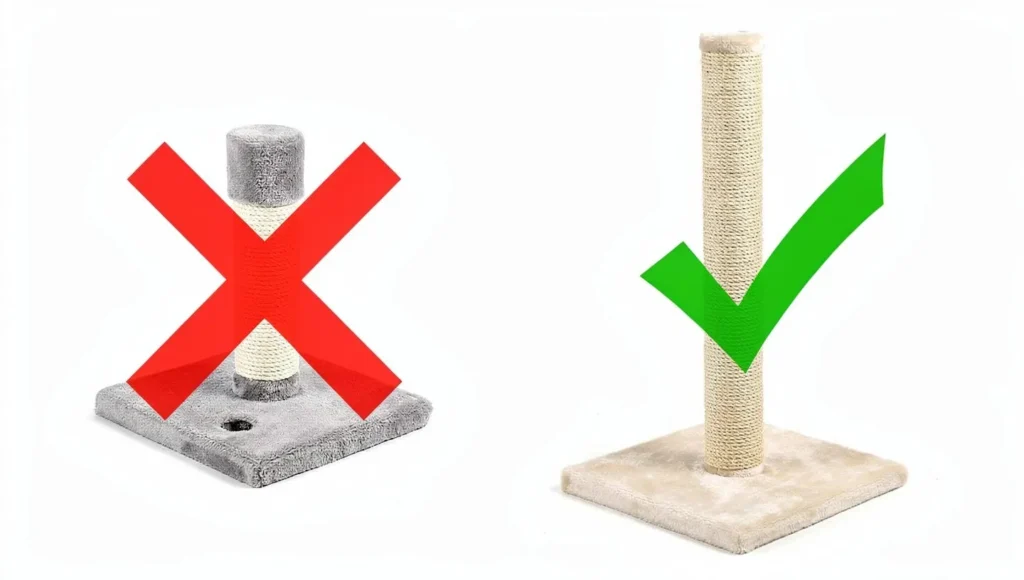
1. Height & Stability
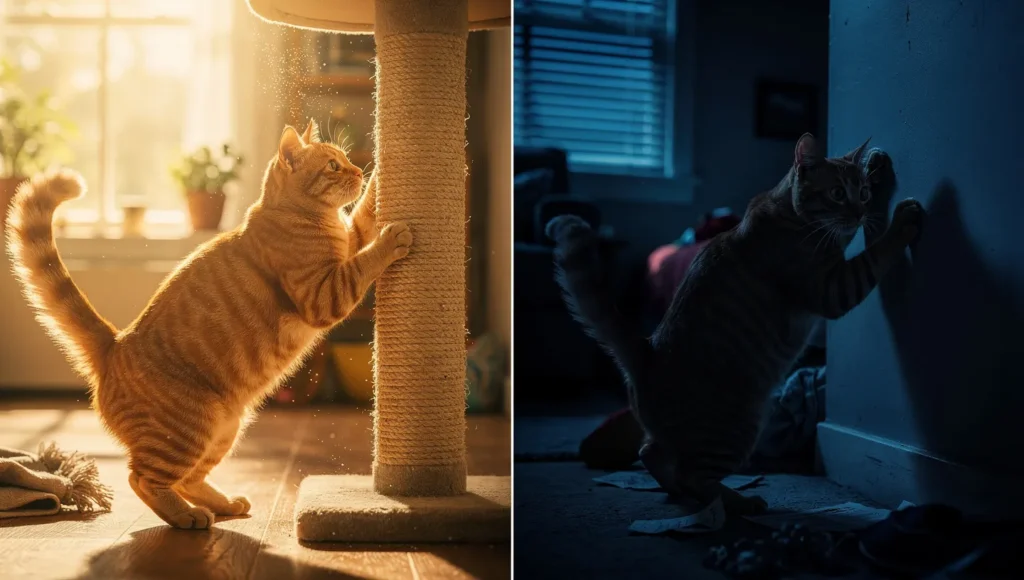
Your cat needs to fully stretch while scratching. If your cat is scratching the couch, it’s because the couch is tall and stable. Your scratcher must be:
- Minimum 32 inches tall for adult cats (taller for large breeds like Maine Coons).
- Sturdy base that doesn’t wobble. Cats won’t use a post that tips over.
If you want the ultimate solution, invest in a cat tree with built-in scratching surfaces. These combine height, stability, and multi-level enrichment. Check out our guide to the best cat trees in 2026 for top-rated options that double as furniture protectors.
2. Material Matters
Match the material to what your cat is already scratching:
| If your cat scratches… | Choose this material |
|---|---|
| Fabric couch/upholstery | Sisal rope or sisal fabric |
| Leather furniture | Corrugated cardboard (horizontal) |
| Carpet/rugs | Carpet-covered post OR sisal mat |
| Wooden furniture | Natural wood log scratcher |
3. Vertical vs. Horizontal
- Vertical scratchers = Wall-mounted posts, tall cat trees, corner protectors.
- Horizontal scratchers = Cardboard loungers, flat sisal mats, scratch pads.
Pro move: Get both. I’ve never met a cat who didn’t appreciate options.
Budget-Friendly Hack:
Can’t afford a cat tree right now? Wrap a sturdy cardboard tube (from a carpet store) in sisal rope. Secure it to a heavy base. Total cost: under $20.
End-of-Day 2 Checklist:
✅ I’ve purchased or DIY’d at least 2 scratchers (1 vertical, 1 horizontal).
✅ My scratcher is taller than 30 inches and doesn’t wobble.
✅ The material matches what my cat currently scratches.
📍 Day 3 — Placement Strategy
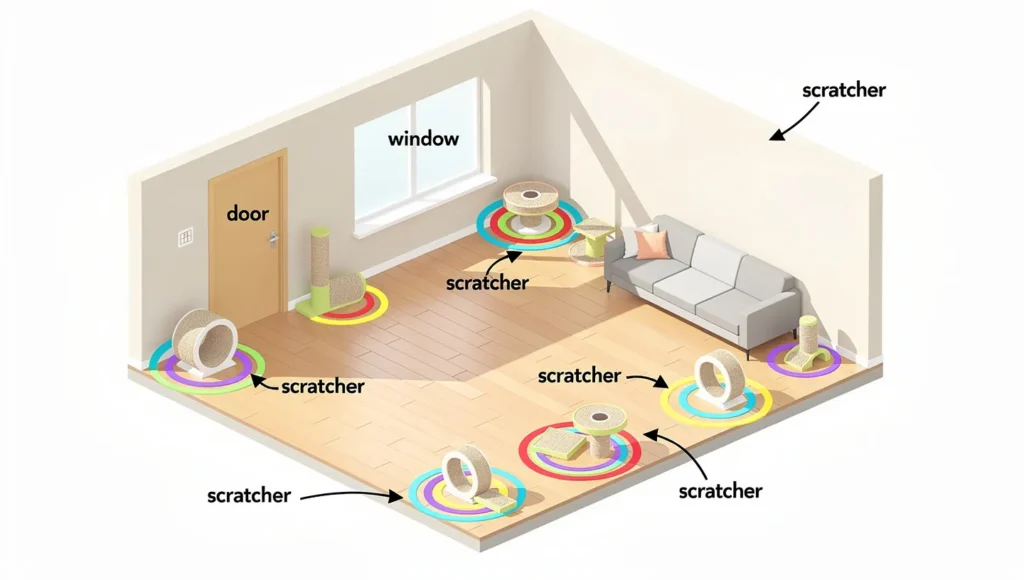
Action Item: Position your new scratchers in the exact spots your cat is already scratching.
Why this matters:
This is where most people fail. They buy the perfect scratcher, place it in a corner “out of the way,” and wonder why their cat ignores it. Cats don’t scratch where you want them to—they scratch where their biology tells them to.
The Placement Formula:
Rule 1: Put scratchers NEXT to damaged furniture
Not across the room. Not in the hallway. Right next to the couch they’re destroying. Once they’ve consistently used the scratcher for 2 weeks, you can slowly move it a few inches per day to a more convenient spot.
Rule 2: Cover high-traffic territorial zones
Place scratchers near:
- Entry/exit points (front door, bedroom doors)
- Windows where they watch outside
- Feeding areas (post-meal scratching is common)
- Sleeping spots (post-nap stretching)
Rule 3: Multi-cat homes need multiple stations
If you have more than one cat, you need at least one scratcher per cat + one extra. Sharing leads to territorial conflict, which increases stress scratching.
Real-world example:
I worked with a client whose cat ignored a beautiful $200 cat tree placed in the living room corner. The moment we moved it next to the window (where the cat watched birds), scratching on the windowsill stopped within 48 hours.
End-of-Day 3 Checklist:
✅ Scratchers are positioned directly next to damaged furniture.
✅ I’ve placed at least one scratcher near a window or door.
✅ Multi-cat homes have multiple scratching stations.
🛡️ Day 4 — Using a Cat Couch Protector & Deterrents That Work
Action Item: Protect your furniture with temporary barriers while your cat learns to use the scratcher.
Why this matters:
Even with perfect scratchers in place, your cat has weeks (or years) of habit telling them “the couch works.” Deterrents break the habit loop by making furniture physically or sensory-wise unappealing while the scratcher becomes the easier choice.
Deterrent Options (Ranked by Effectiveness):
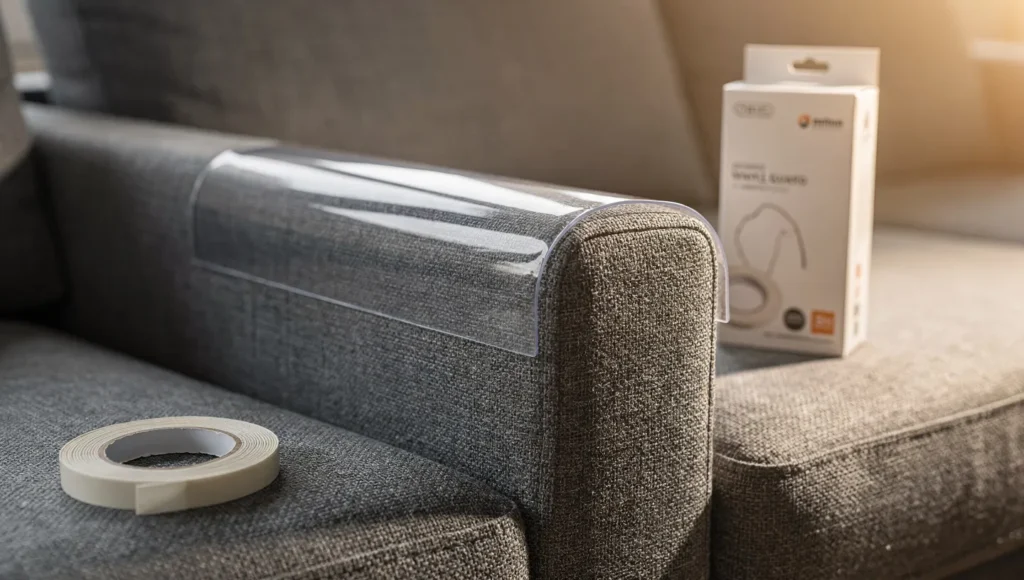
🥇 1. Furniture Covers & Protectors
What it is: Clear vinyl shields or thick fabric covers that stick to furniture with pins or adhesive strips.
Why it works: Cats hate the slippery texture. They’ll try once, dislike it, and move to the scratcher.
Best for: Couch arms, chair legs, leather furniture.
Downside: Looks temporary (but you only need it for 2-3 weeks).
🥈 2. Double-Sided Sticky Tape
What it is: Tape like “Sticky Paws” that feels tacky on cat paws.
Why it works: Cats despise sticky sensations. One touch and they avoid the area.
Best for: Flat surfaces (carpet edges, couch seats).
Downside: Can leave residue—test on a hidden spot first.
🥉 3. Aluminum Foil or Plastic Mats
What it is: Crinkly foil or spiked plastic mats (gentle, won’t hurt paws).
Why it works: The sound and texture are unpleasant.
Best for: Horizontal surfaces (carpet, rugs).
Downside: Not aesthetically pleasing (but effective).
❌ What DOESN’T Work:
- Citrus sprays: Some cats ignore them entirely. Others are sensitive, but the effect fades.
- Motion-activated air sprays: Can cause anxiety and don’t teach redirection.
- Shouting or punishment: This damages trust and increases stress scratching.
The Deterrent Rule:
Use deterrents for 14 days maximum. The goal is to break the habit, not to permanently barricade your furniture. Once your cat consistently uses the scratcher, remove the deterrents gradually.
End-of-Day 4 Checklist:
✅ I’ve applied deterrents to all frequently scratched furniture.
✅ I’m using pet-safe, non-toxic products.
✅ I’ve set a reminder to remove deterrents in 2 weeks.
🎯 Day 5 — Redirection Training
Action Item: Actively teach your cat to use the scratcher through positive reinforcement.
Why this matters:
Just because you’ve placed a scratcher doesn’t mean your cat will magically use it. You need to make the scratcher irresistible through scent, play, and rewards.
The 3-Step Redirection Method:
Step 1: Make the scratcher smell like “theirs”
- Rub a clean sock on your cat’s cheeks (where scent glands are located).
- Wipe the sock on the scratcher to transfer their scent.
- Sprinkle a pinch of catnip or silvervine on the base (works for 70% of cats).
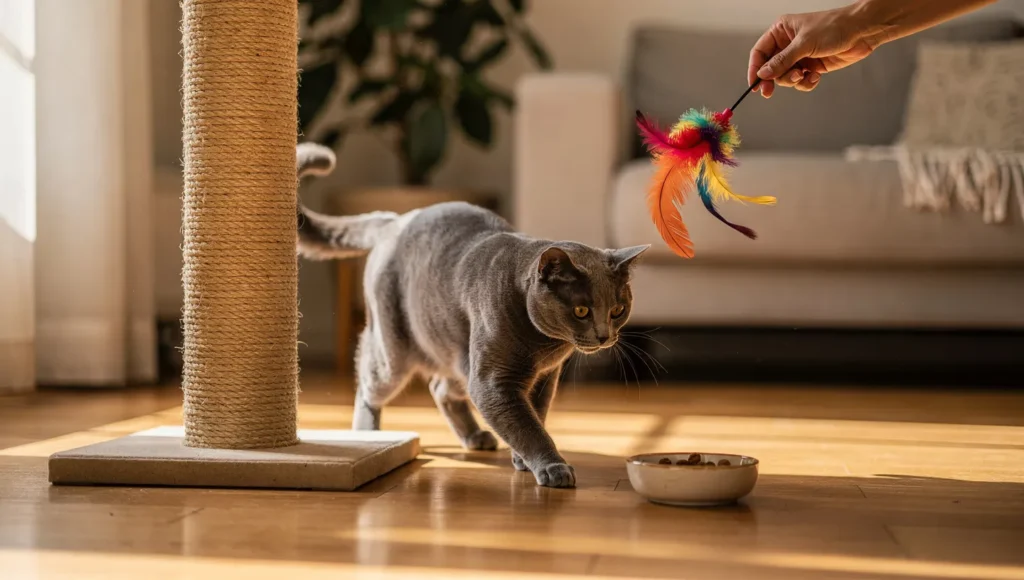
Step 2: Turn scratching into a game
- Use an interactive toy (feather wand, string) to lure your cat to the scratcher.
- Drag the toy up the scratcher so they instinctively grab and scratch.
- The second their claws touch the post, praise them verbally (“Good job!”).
Step 3: Reward every use
- Keep small treats near scratchers.
- Every time you catch your cat using the scratcher (even once), immediately reward them.
- After 5-7 days, reduce treat frequency but keep verbal praise.
What NOT to do:
- ❌ Never force your cat’s paws onto the scratcher (this creates negative associations).
- ❌ Don’t punish them for scratching furniture—just calmly redirect to the scratcher.
Real-world timeline:
- Days 1-3: Your cat will test both furniture and scratcher.
- Days 4-7: They’ll start favoring the scratcher (if it’s correctly placed and rewarded).
- Week 2: Furniture scratching should drop by 70-80%.
End-of-Day 5 Checklist:
✅ I’ve scented the scratcher with my cat’s pheromones.
✅ I’ve used a toy to make scratching playful at least twice today.
✅ I’m rewarding every scratcher use with treats or praise.
🧘 Day 6 — Reduce Anxiety & Boredom
Action Item: Address the emotional root causes that drive stress scratching.
Why this matters:
If your self-test (from earlier) showed anxiety or boredom as the main driver, scratching is just a symptom. You can redirect the behavior, but if you don’t fix the underlying stress, it will come back in other forms (over-grooming, litter box issues, aggression).
Anxiety Solutions:
1. Establish a Routine
Cats are creatures of habit. Feed, play, and interact at the same times daily. Predictability reduces stress.
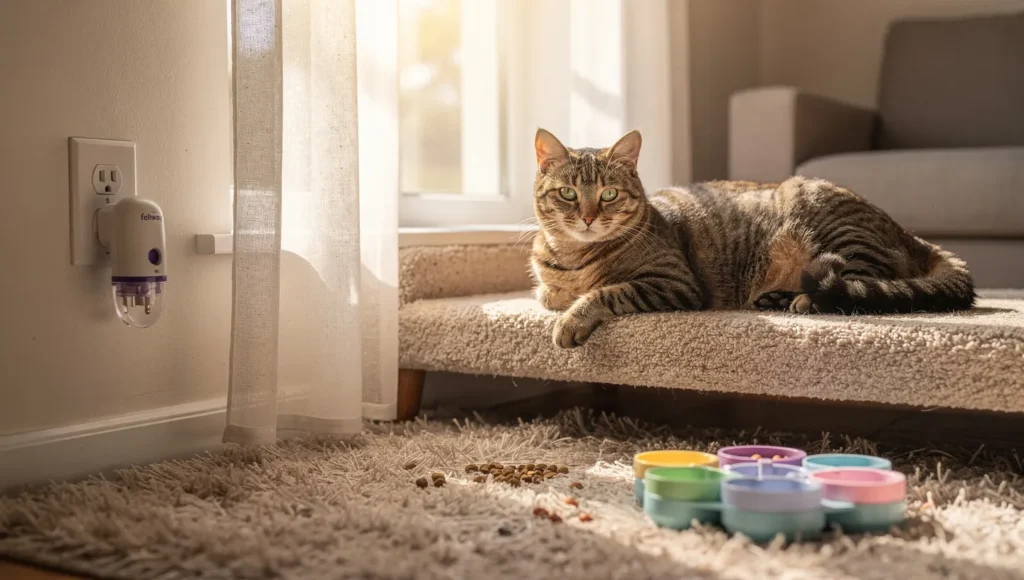
2. Use Pheromone Diffusers
Products like Feliway mimic calming facial pheromones. Plug one in near scratched areas. Effects take 7-14 days to appear.
3. Create Vertical Escape Routes
Anxious cats need high perches where they feel safe. If your cat scratches near windows, they might be stressed by outdoor cats. A tall cat tree gives them a “safe lookout.”
4. Increase Bonding Time
Spend 15 minutes daily in focused play. Use interactive toys that mimic hunting (wand toys, laser pointers with a physical toy finish). This burns mental energy and strengthens your bond.
Boredom Solutions:
1. Rotate Toys Weekly
Cats get bored of the same toys. Keep half hidden and swap them out every 7 days to maintain novelty.
2. Food Puzzles
Slow feeders and treat-dispensing toys engage their problem-solving instincts. A bored cat is a destructive cat.
3. Window Entertainment
Set up a bird feeder outside a window. “Cat TV” is surprisingly effective enrichment.
Internal link: For more on keeping your cat mentally stimulated, see our guide to the best interactive cat toys.
End-of-Day 6 Checklist:
✅ I’ve established consistent feeding and play times.
✅ I’ve added environmental enrichment (perch, puzzle, or window view).
✅ If anxiety is high, I’ve installed a pheromone diffuser.
🔒 Day 7 — Habit Lock
Action Item: Reinforce the new routine and prepare for long-term success.
Why this matters:
By Day 7, your cat should be using the scratcher regularly. But habits take 21-30 days to fully solidify. This final day is about cementing progress and troubleshooting any lingering issues.
Final Reinforcement Steps:
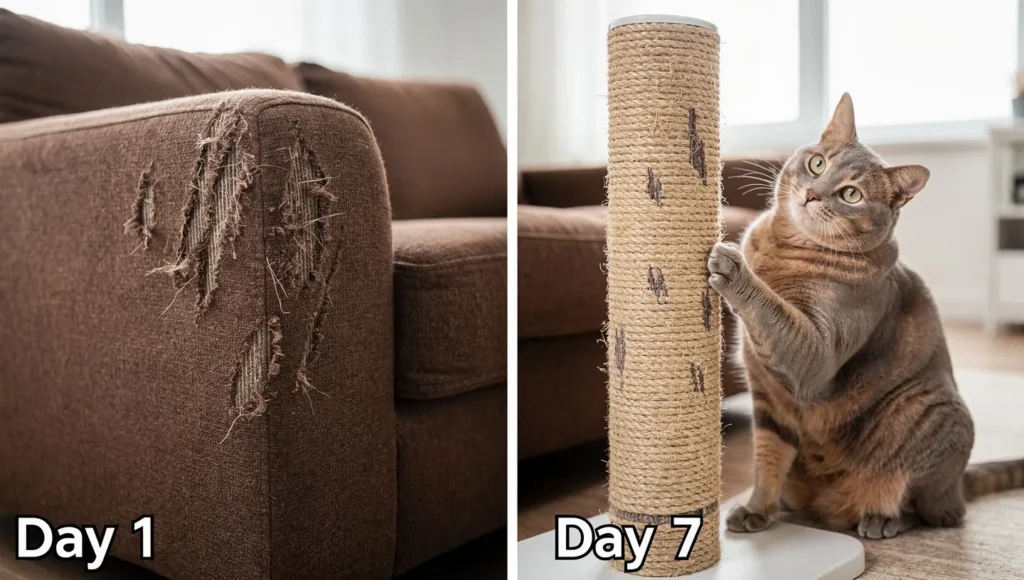
1. Assess Progress
- Compare today’s furniture damage to the photos from Day 1.
- Is scratching reduced by at least 50%? If yes, you’re on track.
- If no, revisit Days 2-3 (scratcher material and placement might need adjustment).
2. Gradually Remove Deterrents
- If your cat hasn’t touched the couch in 3-4 days, start peeling back one deterrent at a time.
- Remove foil first, then tape, then covers. Go slow—one deterrent every 2-3 days.
3. Maintain Scratcher Appeal
- Refresh catnip monthly.
- Keep scratchers clean (vacuum loose fibers).
- If sisal rope frays, it’s a good sign—it means your cat loves it. Replace only when it’s completely shredded.
4. Add a Second Scratcher (Optional)
- If your cat is thriving, introduce a scratcher in a new location (bedroom, hallway). This prevents future territorial scratching as routines change.
Troubleshooting Common Day 7 Issues:
| Problem | Solution |
|---|---|
| Cat still ignores scratcher | Re-check material and height. Try horizontal scratcher if vertical failed. |
| Scratching moved to new furniture | Place a scratcher at the new spot immediately. Repeat Days 3-5. |
| Cat uses scratcher and furniture | Increase deterrents on furniture. Extend deterrent period to 3 weeks. |
| Multiple cats fighting over scratcher | Add more scratchers (1 per cat minimum). Space them apart. |
The 30-Day Rule:
Keep the full system in place for 30 days total. After that, scratchers become part of your home’s furniture, and your cat’s scratching behavior will be permanently redirected.
End-of-Day 7 Checklist:
✅ Furniture damage has decreased significantly.
✅ I’ve started removing deterrents gradually.
✅ I have a 30-day maintenance plan in place.
✅ I’m prepared to add more scratchers if needed.
🎉 What Happens After Day 7?
By now, you’ve built a sustainable system to stop cat scratching furniture. Your cat has learned that scratchers are rewarding, and furniture is not. But don’t stop here—consistency over the next 3 weeks is what turns this reset into a permanent lifestyle.
Keep doing:
✅ Rewarding scratcher use (even occasionally).
✅ Maintaining enrichment routines (play, puzzles, perches).
✅ Monitoring for new scratching zones (especially during stressful events like moving or new pets).
Next, we’ll cover the best products to support your success—furniture protectors, sprays, and scratchers that actually work.
🛡️ The Best Furniture Protectors from Cats & Scratching Sprays
You’ve built the 7-Day Reset Plan. Now let’s talk about the tools that make it easier. These are the furniture protectors, deterrent sprays, and scratcher upgrades I’ve seen work in real homes—not just in theory, but with actual frustrated cat owners who needed results fast.
I’m not going to recommend products I haven’t personally tested or seen succeed. Every item here has a specific use case, and I’ll tell you exactly when to use it (and when to skip it).
🛋️ Furniture Protectors (Physical Barriers)
When to use them: Days 4-7 of the Reset Plan, or immediately if your cat is actively destroying expensive furniture.
1. Clear Vinyl Furniture Guards
What they are:
Transparent plastic shields that attach to couch arms, chair legs, or corners using twist pins or adhesive strips.
Why they work:
Cats hate the slippery, smooth texture. They’ll attempt to scratch, get zero satisfaction (no grip, no sound, no shredding), and abandon the spot within 2-3 tries.
Best for:
- Leather or fabric couches
- Chair arms
- Wooden furniture corners
Top pick (based on user reviews):
Look for guards that are at least 18 inches tall and have a textured back (prevents slipping off furniture). Avoid thin sheets—they peel easily.
How long to use them:
2-3 weeks. Once your cat consistently uses the scratcher for 10+ days, remove the guards gradually (one piece every 3 days).
Downside:
They’re visible. Your couch won’t look Instagram-ready, but your couch will survive.
2. Double-Sided Sticky Tape (Anti-Scratch Tape)
What it is:
Clear tape with a tacky surface on both sides. Brands like “Sticky Paws” are made specifically for furniture and won’t damage upholstery.
Why it works:
Cats are obsessed with clean paws. One touch of sticky tape and they’ll avoid the area like it’s cursed. I’ve never seen this fail with a cat who has normal grooming behavior.
Best for:
- Flat surfaces (couch seats, carpet edges)
- Door frames
- Wallpaper or drywall corners
Application tips:
- Cut into strips and apply directly to scratched zones.
- Replace every 5-7 days (loses stickiness over time).
- Test on a hidden spot first to ensure it doesn’t leave residue.
How long to use it:
1-2 weeks maximum. This is a habit interrupter, not a permanent solution.
Downside:
Picks up dust and lint. Your furniture might look slightly grimy until you remove it.
3. Scratch-Proof Couch Covers (Full Coverage)
What they are:
Thick, quilted fabric covers that drape over entire couch sections. Some are waterproof and machine-washable.
Why they work:
They don’t deter scratching—they just absorb the damage. Your couch stays intact underneath while your cat scratches the cover (which you can replace cheaply).
Best for:
- Multi-cat homes where deterrents alone aren’t enough
- Renters who can’t replace furniture
- Senior cats with ingrained scratching habits
Pro tip:
Choose covers with anchor straps (prevents sliding). Microfiber or canvas textures work better than slippery polyester.
How long to use them:
Indefinitely, if you want. Many cat owners just accept covers as part of life and rotate them seasonally.
Downside:
Your furniture becomes “cat furniture.” If aesthetics matter, this isn’t ideal.
🚫 Deterrent Sprays (Scent-Based)
Reality check first:
Sprays are inconsistent. They work for some cats and do absolutely nothing for others. I rank them below physical barriers, but they’re worth trying if you want a less visible solution.
4. Bitter Apple Spray (Taste Deterrent)
What it is:
A non-toxic spray that tastes horrible to cats (but is safe if ingested).
Why it works (sometimes):
Cats who chew or lick furniture while scratching will hate the taste and avoid the area.
Best for:
- Cats who bite furniture edges
- Wooden furniture
- Carpet corners
Why it fails:
If your cat doesn’t lick or bite while scratching, they’ll never taste it. It’s useless against pure scratch-only cats.
How to use it:
Spray daily for the first week, then every 2-3 days as a refresher.
Top brands to look for:
Grannick’s Bitter Apple (the original formula).
5. Citrus or Lavender Enzyme Sprays
What they are:
Natural sprays that emit scents cats allegedly dislike (citrus, lavender, eucalyptus).
Why they work (sometimes):
Some cats are sensitive to strong floral or citrus smells and will avoid sprayed areas.
Why they often fail:
Many cats don’t care. I’ve seen cats scratch right through fresh citrus spray without flinching.
Best for:
- Testing as a low-effort first step
- Combining with physical barriers (spray + tape = double deterrent)
How to use it:
Spray 2-3 times daily. Reapply after cleaning furniture.
My honest take:
Use these as a supplement, not your primary strategy. If they work, great. If not, move on quickly—don’t waste weeks hoping they’ll kick in.
✂️ Cat Scratcher Upgrades: Top Picks for Your Home
If your cat is still ignoring scratchers after Days 2-5 of the Reset Plan, the problem is usually the scratcher itself. Here’s what actually works.
6. Tall Sisal Cat Trees (The Gold Standard)
Why they dominate:
They combine height (cats can fully stretch), stability (heavy base), and multi-functionality (scratching + perching + hiding).
When to upgrade:
If your scratcher is under 30 inches tall or wobbles, replace it immediately.
What to look for:
- Minimum 36 inches tall (taller for Maine Coons or large breeds)
- Sisal rope posts (not carpet—carpet shreds and feels like furniture)
- Wide base (at least 18×18 inches to prevent tipping)
Internal link:
See our full breakdown of the best cat trees in 2026 for safety-tested, large-cat-approved options.
7. Horizontal Cardboard Scratchers (Budget Hero)
Why they work:
Some cats only scratch horizontally (carpet, rugs). For these cats, vertical posts are irrelevant.
Best for:
- Cats who scratch carpet or low furniture
- Multi-cat homes (cardboard is cheap—buy 3-4)
- Kittens (they love the texture)
What to look for:
- Dense corrugated cardboard (cheap versions flatten in days)
- Inclined design (cats prefer a slight angle over flat)
- Replaceable inserts (extends lifespan)
Pro tip:
Sprinkle catnip in the grooves. Cardboard + catnip = instant obsession for 70% of cats.
8. Wall-Mounted Sisal Scratchers (Space-Savers)
Why they’re genius:
They protect specific spots (door frames, wallpaper corners) without taking up floor space.
Best for:
- Renters with limited room
- Cats who scratch walls or doorways
- Multi-level homes (mount one on each floor)
Installation tips:
- Mount at your cat’s shoulder height when they’re standing on hind legs.
- Use heavy-duty anchors (cats will pull hard).
- Place next to the damaged wall area, not across the room.
🧴 Does Your Cat Need a Cat Scratch Deterrent?
Motion-Activated Air Sprays:
❌ Skip them. They startle cats and create anxiety. Some cats develop fear of the room entirely. Not worth the risk.
Ultrasonic Repellers:
❌ Also skip. Studies show inconsistent results, and they can stress sensitive cats.
Nail Caps (Soft Paws):
⚠️ Neutral. They prevent damage but don’t address the behavior. Use them as a last resort for senior cats with ingrained habits, but pair them with the 7-Day Plan—not as a replacement.
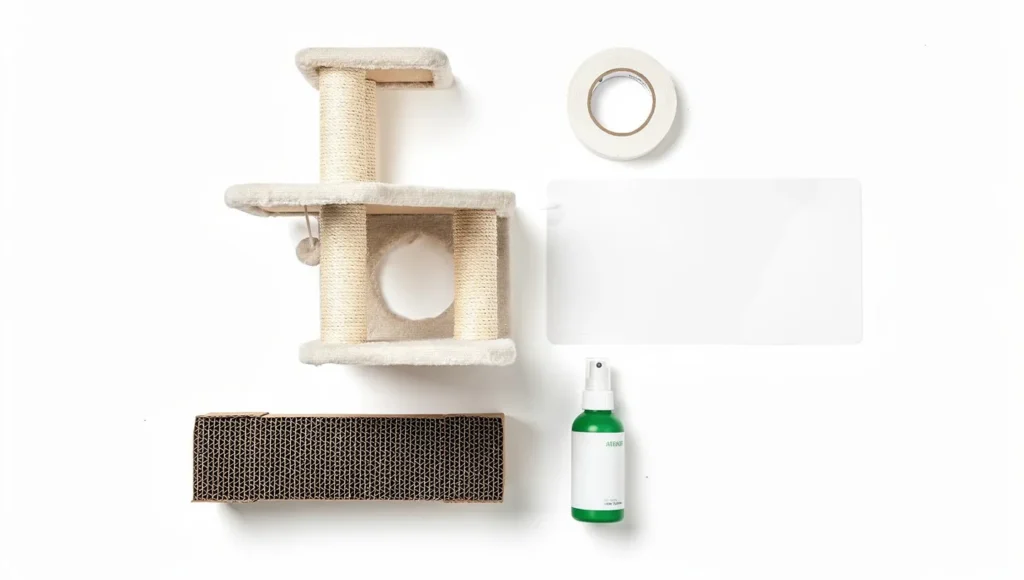
🎯 My Product Strategy (What I’d Buy Today)
If I had a cat scratching my couch right now, here’s my exact shopping list:
| Product | Why | Cost |
|---|---|---|
| Tall sisal cat tree (36″+ height) | Primary scratcher (solves 80% of issues) | $80-150 |
| Horizontal cardboard scratcher | Backup for carpet scratchers | $15-25 |
| Double-sided sticky tape (3-pack) | Immediate furniture protection | $12-18 |
| Clear vinyl couch guards | For expensive furniture during training | $25-40 |
| Catnip spray or dried catnip | Makes scratchers irresistible | $8-12 |
Total investment: ~$140-245
What you’re protecting: A $1,000+ couch, your deposit, your sanity.
The math checks out.
💡 Expert Tip:
Don’t cheap out on the cat tree. A $30 wobbly post from a big-box store will sit unused while your cat continues shredding the couch. Spend $100+ on a quality tree once, and it’ll last 5+ years. I’ve seen cheap posts abandoned within 48 hours—every single time.
Next up: We’ll tackle the most-asked question I get: “What smells do cats hate to stop scratching furniture?” Spoiler: the answer isn’t as simple as “spray citrus and win.”
👃 What Smells Do Cats Hate? + What NOT To Do + FAQs
Let’s tackle the three most common questions I get after owners complete the 7-Day Reset Plan. I’m grouping these together because they’re all about avoiding mistakes that undo your progress.
🌿 The Truth About Scent Deterrents
Question: “What smells do cats hate to stop scratching furniture?”
Short answer: It varies wildly by cat, and scent alone never works as a standalone solution.
Scents cats typically dislike:
- Citrus (lemon, orange, grapefruit)
- Lavender (strong floral)
- Eucalyptus
- Peppermint
- Vinegar (diluted white vinegar)
Why this question is misleading:
Scent deterrents don’t teach your cat where to scratch—they only tell them where not to scratch. Without a proper scratcher in place, your cat will just move to a different piece of furniture.
The only time scent works:
When paired with the 7-Day Plan. Spray citrus on the couch while offering a sisal scratcher next to it. The scent becomes a temporary “stay away” signal during habit-breaking.
How to use scent safely:
- Dilute essential oils (never apply pure oil—it’s toxic to cats).
- Test sensitivity first: Spray a small area and watch for sneezing, pawing at face, or avoidance of the entire room (signs of irritation).
- Reapply daily for 7-10 days, then reduce frequency.
- Stop if your cat shows stress (hiding, loss of appetite, litter box avoidance).
My honest take:
I’ve seen citrus spray work for about 40% of cats. For the other 60%, it does nothing—or worse, makes them anxious. Use it as a bonus deterrent, not your primary strategy.
🚫 What NOT To Do (The “Never” List)
These are the mistakes that destroy trust, increase anxiety, and make scratching worse. I see them constantly—please don’t repeat them.
❌ Never Declaw Your Cat
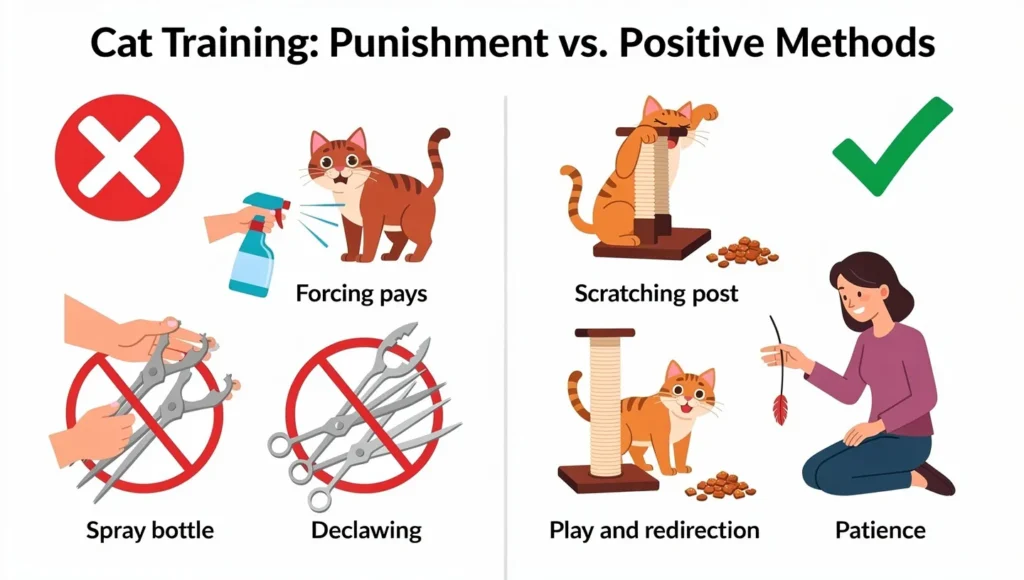
What it actually is: Declawing isn’t “removing nails.” It’s amputating the last bone of each toe—equivalent to cutting off a human finger at the last knuckle.
Why it’s cruel:
- Causes chronic pain (cats walk on amputated bone stubs).
- Leads to behavioral problems: aggression, biting (they’ve lost their primary defense), litter box avoidance (digging in litter hurts).
- Banned in 40+ countries and multiple U.S. states for animal cruelty.
The alternative: Everything in this guide. Declawing is never necessary if you follow the 7-Day Reset Plan.
If cost is the concern: A $150 cat tree is infinitely cheaper than $500+ in declawing surgery fees and the lifetime of behavioral rehab that follows.
❌ Never Punish Your Cat for Scratching
What doesn’t work:
- Yelling or shouting
- Spraying with water bottles
- Physical punishment (tapping, pushing)
- Locking them in a room
Why punishment fails:
Cats don’t understand punishment after the fact. If you yell at them 10 seconds after they scratch, they don’t think “I shouldn’t scratch.” They think “My owner is unpredictable and scary.”
What happens instead:
- Increased stress → more scratching (anxiety-driven)
- Broken trust → they hide from you or become aggressive
- Displaced behavior → scratching moves to hidden areas (behind furniture, in closets)
The right response when you catch them scratching:
Calmly say “No,” then immediately redirect them to the scratcher using a toy or treat. Reward them the second they touch the scratcher. Redirect, don’t punish.
❌ Never Force Your Cat’s Paws Onto a Scratcher
I’ve seen owners physically grab their cat’s paws and drag them down a scratching post, thinking it “teaches” them.
Why this backfires:
It creates a negative association. The scratcher becomes a place of stress, not reward. Your cat will avoid it entirely.
The right way:
Use the redirection training from Day 5 (toy + scent + treats). Let them discover the scratcher feels good. That’s how habits form.
❌ Never Use Scent Deterrents as Your Only Solution
We covered this above, but it’s worth repeating: spraying citrus on your couch without offering a scratcher is pointless. Your cat will just scratch the chair, the carpet, or the door frame instead.
Scent = temporary habit interrupter.
Scratcher = permanent solution.
❓ Frequently Asked Questions
Q1: How long does it take to stop a cat from scratching furniture?
A: With the 7-Day Reset Plan, most cats show a 50-70% reduction in furniture scratching by Day 7. Full habit change takes 21-30 days of consistency. If you’re not seeing improvement after 2 weeks, revisit scratcher material and placement (Days 2-3).
Q2: My cat uses the scratcher AND still scratches the couch. What now?
A: This is normal during the transition. Keep deterrents on furniture for an extra 1-2 weeks. Increase rewards for scratcher use (treats every time). If it continues past 30 days, add a second scratcher in a different location—they may need more options.
Q3: Can I train an older cat to stop scratching furniture?
A: Yes. Senior cats are slower to change habits (expect 4-6 weeks instead of 3), but the same principles apply. Be patient, use high-value treats, and consider adding joint supplements if arthritis makes vertical scratching difficult (offer horizontal scratchers as an alternative).
Q4: What if I have multiple cats and only one scratches furniture?
A: Isolate the problem cat during training (if possible). Apply the 7-Day Plan specifically to their favorite scratching zones. Other cats will likely adopt the new scratchers too, but focus your effort on the primary scratcher. And remember: you need one scratcher per cat + one extra to prevent territorial conflict.
Q5: Is it true that some cats prefer horizontal scratching over vertical?
A: Absolutely. If your cat ignores tall posts but destroys carpet, they’re a horizontal scratcher. Offer flat cardboard scratchers or sisal mats on the floor. Map their preference during Day 1 of the Reset Plan—this tells you everything.
Q6: Will neutering or spaying reduce scratching behavior?
A: Neutering/spaying reduces territorial marking (including some stress-based scratching), but it doesn’t eliminate the biological need to scratch. You still need to provide proper outlets. However, unneutered males and unspayed females in heat do scratch more aggressively—so spay/neuter helps indirectly.
Q7: Can kittens learn not to scratch furniture from the start?
A: Yes—and it’s way easier than retraining an adult cat. Introduce scratchers from Day 1 (as soon as you bring the kitten home). Place them near sleeping and eating areas. Kittens learn fast, and they won’t develop furniture-scratching habits if proper options exist from the beginning.
Internal link: See our complete kitten care guide for early training tips.
Q8: What’s the best scratching post material for cats who scratch leather furniture?
A: Cardboard (horizontal). Leather has a smooth, dense texture—cats who love it usually prefer cardboard’s similar resistance. Sisal can work too, but test cardboard first (it’s cheaper). If they ignore both, try natural wood posts.
Q9: Should I trim my cat’s nails to reduce furniture damage?
A: Yes, but it’s a supplement, not a solution. Trim nails every 2-3 weeks to dull the tips (reduces shredding severity). But trimming doesn’t stop the behavior—your cat will still scratch. Pair nail trimming with the 7-Day Reset Plan for best results.
Internal link: Learn the safe way in our guide on how to trim cat nails without stress.
Q10: Do cat deterrent sprays actually work, or are they a scam?
A: They work for some cats (maybe 30-40%), but results are inconsistent. Physical barriers (sticky tape, furniture guards) have a much higher success rate (80%+). Use sprays as a low-effort test, but don’t rely on them exclusively.
💡 Final Expert Tip:
The single biggest mistake I see? Giving up after 3-4 days. Behavioral change takes time. If you quit during the awkward transition period (Days 4-10), your cat learns that persistence pays off—and they’ll keep scratching furniture. Commit to the full 30 days. Your couch will thank you.
🎬 You’ve Got Everything You Need to Win This Battle
Here’s what you now know that most cat owners don’t:
Scratching isn’t the problem. The wrong environment is. Your cat isn’t defiant or vengeful—they’re just doing what 10,000 years of evolution programmed them to do. And now, you’ve learned how to work with that biology instead of fighting it.
You’ve got the 7-Day Reset Plan. You know which products actually work (and which ones are marketing gimmicks). You understand the difference between territorial scratching, anxiety scratching, and boredom scratching. You can read your cat’s behavior and adjust your strategy accordingly.
Most importantly? You’re not declawing. You’re not punishing. You’re not giving up and accepting shredded furniture as “just part of cat ownership.”
You’re building a home where your cat can be a cat—and your couch can stay intact.
🐾 Your Next Steps (Do This Today)
Don’t let this guide sit in your browser tabs. Action creates results. Here’s what to do in the next 24 hours:
✅ Step 1: Go back to Day 1 of the Reset Plan. Grab your phone and map every scratching zone in your home. Take photos.
✅ Step 2: Identify whether your cat is a vertical or horizontal scratcher. This determines what you buy.
✅ Step 3: Order (or DIY) at least one tall, stable scratcher. If budget is tight, start with a $15 cardboard scratcher and upgrade later.
✅ Step 4: Apply deterrents to your most-damaged furniture tonight. Sticky tape or vinyl guards—pick one and commit.
✅ Step 5: Set a calendar reminder for Day 7 to assess progress. Take new photos and compare them to Day 1.
That’s it. Five actions. One week. And you’ll stop cat scratching furniture permanently.
💬 I Want to Hear Your Success Story
Behavioral change is hard—for you and your cat. But I’ve seen this plan work in homes with anxious rescues, multi-cat chaos, and cats who’d been scratching the same couch for years.
If you follow the Reset Plan and see results (or hit a roadblock), I want to know. Share your progress in the comments below. Post your before-and-after photos. Ask questions if something isn’t clicking.
This isn’t just a guide—it’s a community of cat owners who refuse to settle for destroyed furniture.
And remember: your cat isn’t the enemy. Lack of proper scratching outlets is. Fix the environment, and the behavior fixes itself.
Now go save that couch. 🛋️✨

Related Guides You’ll Love:
- Need more enrichment ideas? Check out the best interactive cat toys for 2026.
- Dealing with other behavioral issues? Read our guide on why cats meow at night and how to stop it.
- Want to understand your cat better? Dive into the complete guide to cat body language.
Your cat’s happiness starts with understanding. And yours starts with a scratch-free home.