

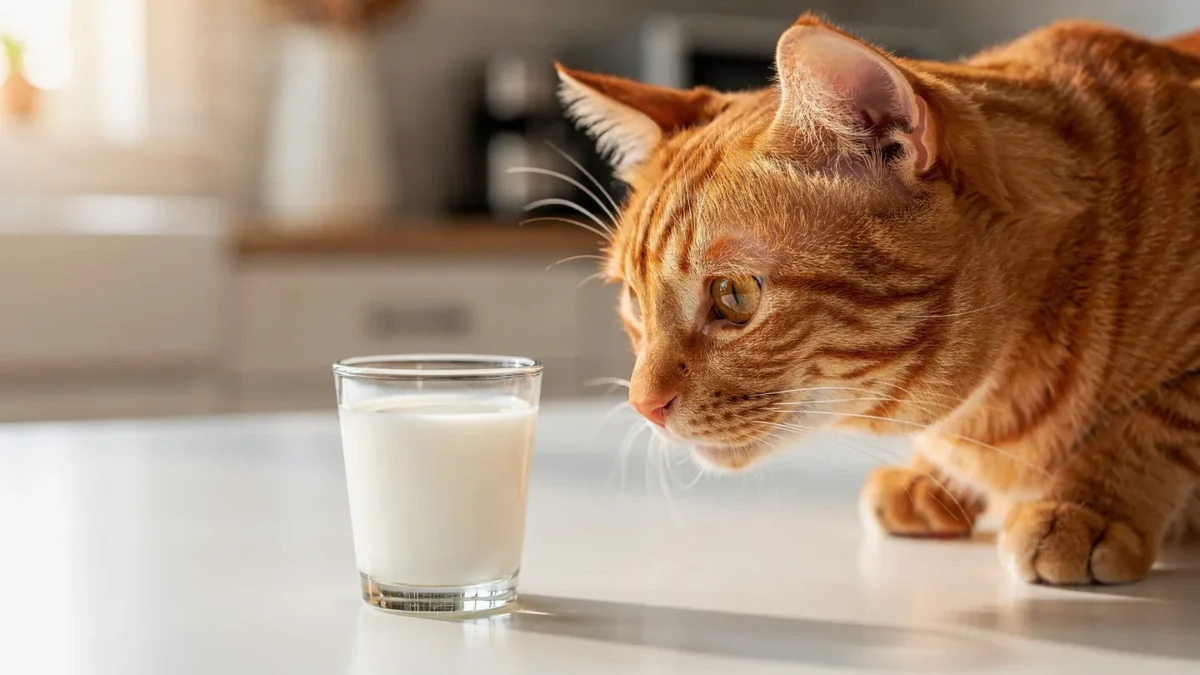
Picture this: you pour yourself a glass of milk, and suddenly your cat appears out of nowhere like she pays the mortgage.
She stares at the glass. You stare at her. And now you’re wondering, “Okay… can I give her a little?”
If you’re wondering whether can cats drink milk safely, here’s the short answer: most adult cats don’t need milk, and many don’t digest it very well. A few licks may not cause a problem for every cat, but milk shouldn’t become a regular part of your cat’s diet.
A quick note before we get into it: this article is based on trusted veterinary and animal-health sources plus real questions from cat owners. It’s for general information only and isn’t a substitute for advice from your veterinarian, especially if your cat is sick or having ongoing digestive problems.
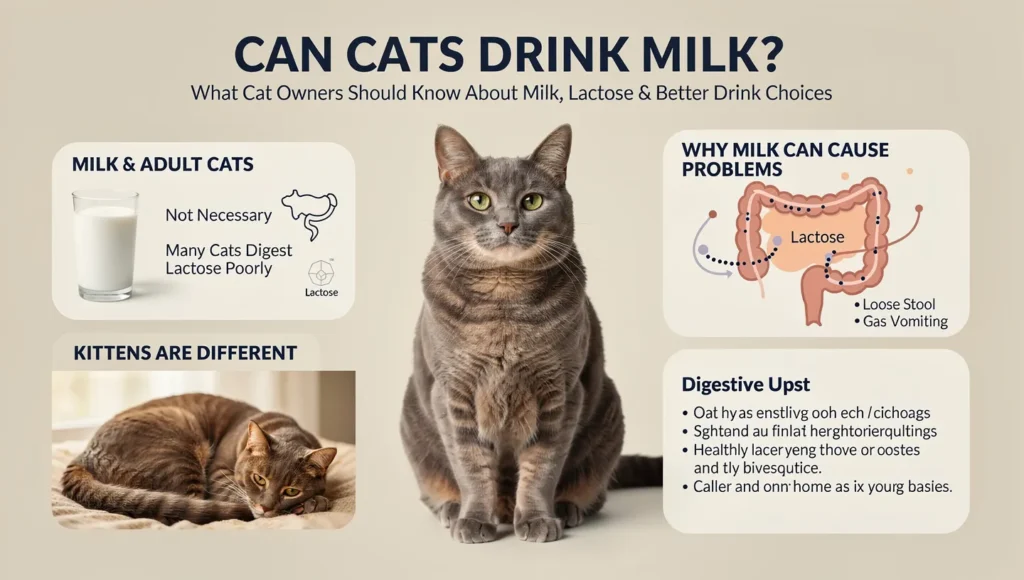
Table of Contents
- Can Cats Drink Milk?
- Why Does My Cat Want Milk So Badly?
- What Happens When a Cat Drinks Milk?
- Signs That Milk May Not Agree With Your Cat
- Can Kittens Drink Milk?
- What About an Orphaned Kitten?
- Can Cats Drink Lactose-Free Milk?
- What About Goat Milk, Almond Milk, or Oat Milk?
- Goat Milk
- Almond Milk
- Oat Milk
- So Which Milk Is Best?
- What Can Cats Drink Instead of Milk?
- My Cat Drank Milk. What Should I Do?
- How Much Milk Is Too Much?
- Is Lactose-Free Milk Better for Cats?
- Frequently Asked Questions
- Can cats drink cow’s milk?
- Can cats drink lactose-free milk?
- Can cats drink almond milk?
- Can cats drink goat milk?
- Can kittens drink milk?
- What should cats drink instead of milk?
- What if my cat loves milk?
- Final Thoughts: Your Cat Doesn’t Need a Milk Mustache
Can Cats Drink Milk?
Yes, cats can physically drink milk. But that doesn’t mean milk is a good everyday drink for them.
Most adult cats produce less lactase after they are weaned. Lactase is the enzyme that helps the body break down lactose, the natural sugar found in milk.
When there isn’t enough lactase, lactose can pass through the digestive system without being properly digested. That can leave some cats with an upset stomach, loose stool, gas, or even vomiting.
And here’s the part that confuses almost everyone:
Your cat can LOVE milk and still not handle it well.
Cats don’t exactly read nutrition labels.
Milk also isn’t necessary for a healthy adult cat. Cats need a nutritionally complete diet and access to fresh water, not a little milk on the side.
If you’re interested in the bigger picture of what cats actually need in their diet, you can also read our guide on What Do Cats Eat?.
Why Does My Cat Want Milk So Badly?
There are a few reasons cats may seem fascinated by milk.
First, milk contains fat and has a rich taste that some cats find very appealing. Second, cats can develop strong food associations.
A kitten drinks milk from its mother during the earliest stage of life. That early experience can make the smell and taste of milk feel familiar later on.
So when your adult cat comes running the second she hears you open the refrigerator, it doesn’t necessarily mean her body needs milk.
She may simply think it smells delicious.
Personally, I wouldn’t use a cat’s enthusiasm for milk as proof that it’s good for her. Cats are also enthusiastic about things they probably shouldn’t be eating. That’s kind of their superpower.
What Happens When a Cat Drinks Milk?
When looking at whether can cats drink milk without issues, the reality is that if a cat doesn’t digest lactose well, drinking it leads to digestive upset. Common signs include loose stool, gas, stomach discomfort, and sometimes vomiting.
The reaction can vary from one cat to another.
Some cats may drink a small amount and appear completely fine. Another cat may have a very different reaction after the same amount.
That’s why saying “milk always makes cats sick” isn’t quite accurate.
At the same time, saying “my cat drinks milk and she’s fine” doesn’t prove that milk is a healthy choice either.
Signs That Milk May Not Agree With Your Cat
After drinking milk, watch for changes such as:
- Loose or watery stool
- Increased gas
- Vomiting
- Abdominal discomfort
- A noticeable change in appetite
- Changes in normal bathroom habits
These signs don’t automatically mean lactose intolerance. Digestive symptoms can have many possible causes.
If your cat has repeated vomiting, significant diarrhea, unusual weakness, refuses food or water, or seems seriously unwell, that’s a situation where getting veterinary advice is more important than trying to figure it out from an article.
Can Kittens Drink Milk?
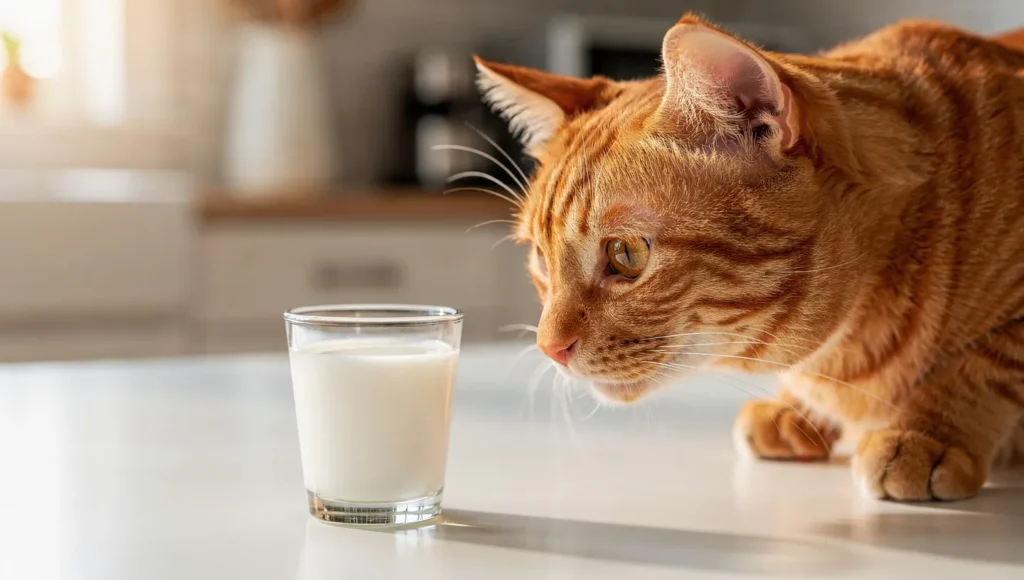
Kittens need their mother’s milk during the nursing stage, but cow’s milk is not a replacement for it.
This distinction is extremely important.
A newborn kitten has completely different nutritional needs from an adult cat. Mother’s milk provides a carefully balanced combination of nutrients needed for early growth and development.
Cow’s milk doesn’t provide that same nutritional balance.
As kittens grow and transition to solid food, their ability to digest lactose also changes. This is one reason a kitten drinking its mother’s milk and an adult cat drinking cow’s milk are two very different situations.
What About an Orphaned Kitten?
If a kitten doesn’t have access to its mother, feeding becomes a much bigger issue than simply finding some milk in the refrigerator.
Kitten milk replacer is specifically formulated for kittens that need supplemental or replacement feeding. Regular cow’s milk shouldn’t be treated as an equivalent substitute.
And this is one of those moments when guessing can backfire.
If you’re caring for a very young orphaned kitten, it’s worth getting guidance from a veterinarian or qualified animal-care professional rather than experimenting with household milk.
For more help with kitten feeding, see our guide: How Much to Feed a Kitten: Complete Feeding Chart by Age.
Can Cats Drink Lactose-Free Milk?
Lactose-free milk is easier to separate from regular milk in one important way: the lactose has been removed or broken down.
That may make it easier for some cats to digest.
But lactose-free doesn’t automatically mean “healthy for cats.”
This is where things change.
Even if a milk product doesn’t contain lactose, it can still contain calories and other ingredients that your cat doesn’t need.
So I wouldn’t look at lactose-free milk and think, “Great, unlimited cat milk.”
Think of it more simply:
Removing lactose solves the lactose problem. It doesn’t turn milk into an essential feline beverage.
Some commercial products are specifically made as cat treats and may be formulated with cats in mind. If you choose to offer one, check the ingredients and treat it as a treat rather than replacing water or a complete cat diet.
What About Goat Milk, Almond Milk, or Oat Milk?
This is probably where your Google search gets messy.
One page says goat milk is better. Another says lactose-free milk is fine. Someone on Reddit says their cat has been drinking milk for years and is perfectly healthy.
So what are you supposed to believe?
The simplest answer is that “different” doesn’t automatically mean “better.”
Goat Milk
Goat milk can contain less lactose than cow’s milk, but it still contains lactose and can still cause digestive problems in some cats.
We have a separate guide covering goat milk for cats in much more detail: Goat Milk for Cats: 7 Real Benefits & Critical Safety Rules.
Almond Milk
Almond milk doesn’t provide a nutritional reason for an adult cat to drink it.
Some products also contain added ingredients, sweeteners, flavors, or other additives that aren’t appropriate for cats.
Oat Milk
Oat milk is another human beverage that doesn’t offer a real nutritional advantage for cats.
If your cat likes the smell or takes a tiny taste, that doesn’t mean it should become part of her daily routine.
So Which Milk Is Best?
Honestly?
For everyday hydration, none of them beats plain, fresh water.
That’s the boring answer.
It’s also the answer I’d choose.
What Can Cats Drink Instead of Milk?
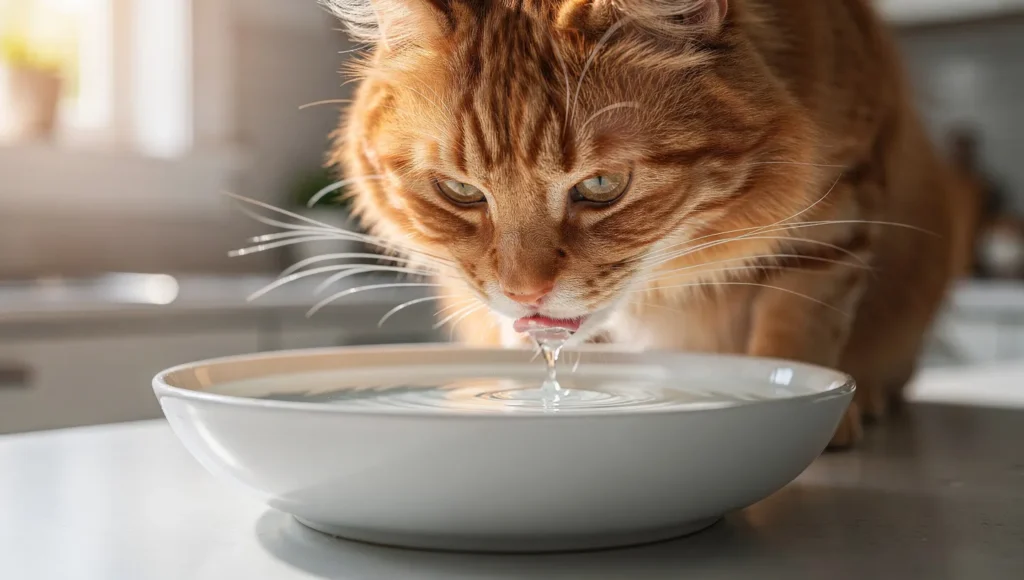
Instead of asking can cats drink milk every day, the real focus should be on fresh water as your cat’s primary drink.
It may not have the exciting smell of milk, but your cat’s body doesn’t need exciting. It needs hydration.
Some cats simply don’t drink as much water as their owners expect. That’s why making water easy and appealing to access can matter.
A few simple ideas include:
- Keep fresh water available throughout the day.
- Place water bowls in quiet, easy-to-reach areas.
- Try a wide, shallow bowl if your cat dislikes deep dishes.
- Some cats prefer moving water from a fountain.
- Wet food can also contribute moisture to the daily diet.
For a deeper look at hydration habits, see our guide: Cat Hydration: The Complete Guide to Keeping Your Feline Healthy & Hydrated.
And if you’re wondering what your cat should actually be eating alongside that water, our What Can Cats Eat? guide covers safe human foods and common feeding questions.
The goal isn’t to find a clever replacement for milk.
It’s to make sure your cat has what she actually needs.
My Cat Drank Milk. What Should I Do?
While the general question is can cats drink milk, if your cat already just stole a few licks from your glass, don’t panic. A small taste doesn’t automatically mean something is wrong. Simply keep an eye on her and avoid giving more milk.
Watch for:
- Loose or watery stool
- Vomiting
- Excessive gas
- A noticeable change in appetite
- Unusual tiredness or discomfort
If symptoms are severe, keep happening, or your cat seems genuinely unwell, contact your veterinarian rather than trying to diagnose the problem at home.
For more information about digestive problems, you can also read our guide to why cats get diarrhea.
How Much Milk Is Too Much?
There isn’t one magic amount that is “safe” for every cat. Tolerance varies, and a cat that handles a few licks without a problem may still develop digestive upset after drinking much more.
The safest approach is simple: don’t make milk a routine drink. Your cat gets what she needs from fresh water and a complete, balanced diet—not from a glass of milk.
Is Lactose-Free Milk Better for Cats?
Lactose-free milk may be easier for some cats to digest because the lactose has been removed or broken down. But easier to digest doesn’t mean nutritionally necessary.
Think of it this way: lactose-free milk may solve one problem, but it doesn’t turn human milk into an essential part of a cat’s diet.
If you decide to offer a cat-specific milk treat, keep the portion small and occasional, and check the ingredients first.
Frequently Asked Questions
Can cats drink cow’s milk?
They can drink it, but that doesn’t mean they should have it regularly. Many adult cats have difficulty digesting lactose, which can lead to digestive upset.
Can cats drink lactose-free milk?
Some cats may tolerate it better than regular milk, but it still isn’t necessary for their diet. Fresh water remains the better everyday choice.
Can cats drink almond milk?
It’s not a useful drink for cats. Some products also contain ingredients or additives that aren’t appropriate for them, so there’s little reason to offer it.
Can cats drink goat milk?
Goat milk isn’t automatically a safer option. It still contains lactose and can still cause digestive problems. If you’re curious about it, see our detailed guide to goat milk for cats.
Can kittens drink milk?
Kittens need their mother’s milk during nursing, but cow’s milk is not an appropriate replacement. Orphaned or hand-fed kittens may need a properly formulated kitten milk replacer.
What should cats drink instead of milk?
Fresh, clean water should be their main drink. Wet food can also contribute to daily moisture intake.
What if my cat loves milk?
That’s okay. Loving something doesn’t always mean it’s good for you—cats are excellent at proving this point.
You don’t have to turn milk into a forbidden mystery. Just avoid making it a habit and give your cat better options instead.
Final Thoughts: Your Cat Doesn’t Need a Milk Mustache
So while the common question remains can cats drink milk, the truth is that most adult cats don’t need it and don’t digest it comfortably. A few licks may be tolerated by some cats, but water is still the simple, reliable choice for everyday hydration.
And honestly, that’s good news.
You don’t need to find a special drink to make your cat happy. Give her fresh water, a balanced diet, attention, and the occasional appropriate treat—and she’ll probably still act like you’re the one who needs training.
If this article helped answer a question you’ve been wondering about, share it with another cat owner who has faced the same “Can I give her some?” moment.
And if your cat has a funny reaction to milk—or you’ve found a milk alternative that your cat absolutely loves—tell us about it in the comments. We read the comments because real experiences from cat owners can help make these guides even more useful for everyone.

Fantastic items from you, man. I’ve keep in mind
your stuff previous to and you’re simply too fantastic.
I really like what you have bought here, really
like what you’re stating and the way wherein you say it.
You are making it entertaining and you continue to care for to stay it smart.
I can not wait to read much more from you. That is really a
tremendous site.
Honestly, it’s awesome to hear that you found exactly what you were looking for here! I’m so glad the content resonated with you. Thanks for the kind words about the style—I try to keep it both smart and fun. Knowing you’re enjoying the site definitely keeps me motivated. Thanks for being part of the community!