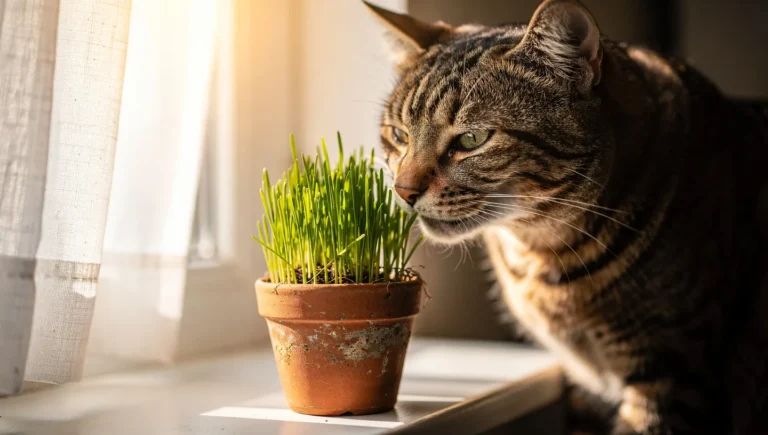

Safe fruits for cats can be a refreshing and nutritious occasionally addition to your pet’s routine, provided they are served correctly. While our feline friends are “obligate carnivores”—meaning they thrive on meat—sharing a tiny piece of fruit can offer healthy fiber and hydration.
However, moderation is the golden rule. According to the 90/10 rule, treats (including fruits and vegetables) should never exceed 10% of your cat’s total daily calories. The remaining 90% must come from high-quality, balanced cat food to ensure they get the essential nutrients like taurine.
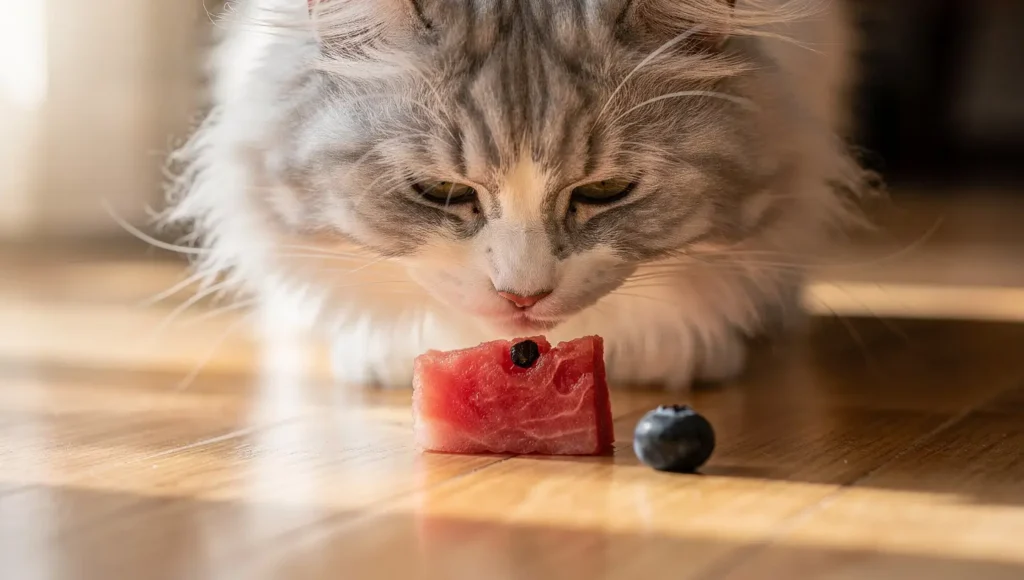
Table of Contents
- 📋 Quick Summary: Top Safe Picks at a Glance
- 🍎 Why Feed Safe Fruits for Cats?
- 🥕 The Best Vegetables for Cats: Carrots and Beyond
- 🌟 Why Carrots for Cats are a Win
- 🥦 Other Green Favorites
- 🎃 Pumpkin for Cats: The Digestive Miracle Worker
- 🧪 Canned Pumpkin for Cat Digestion
- 🫐 Blueberries Benefits for Cats: The Feline Superfood
- 🥗 Quick Comparison: Pumpkin vs. Blueberries
- ⚠️ Toxic Fruits for Cats: What to Avoid at All Costs
- ⚖️ Safe Treats vs. Toxic Hazards: The Ultimate Comparison
- 🍽️ How to Safely Prepare Fruit and Veggie Treats
- ❓ FAQs About Safe Fruits for Cats
- 🐾 Final Thoughts on Healthy Feline Snacking
📋 Quick Summary: Top Safe Picks at a Glance
If you are in a hurry, here is a quick breakdown of the safest produce you can offer your kitty today:
| Category | Safe Options | Main Benefit |
|---|---|---|
| Top Fruits | Blueberries, Strawberries, Watermelon (Seedless) | High in Antioxidants & Hydration |
| Best Veggies | Carrots, Green Beans, Pumpkin | Excellent for Fiber & Digestion |
| The 10% Rule | Keep treats minimal | Prevents nutritional imbalances |
| Toxic Warning | Grapes, Raisins, Onions, Garlic | Never Feed – Highly Dangerous |
Expert Tip: Always introduce new foods slowly. Even with safe fruits for cats, a sudden change in diet can cause a mild upset stomach. Start with a piece the size of a blueberry and watch for any reactions.
🍎 Why Feed Safe Fruits for Cats?
Understanding why you might offer safe fruits for cats is the first step in being a proactive pet parent. Even though cats are obligate carnivores, certain fruits act as “functional treats.” They provide essential hydration and specialized fiber that isn’t always abundant in standard kibble.
- Hydration Boost: Fruits like watermelon or strawberries are mostly water, helping cats stay hydrated, especially during hot summer months.
- Antioxidant Support: Many safe fruits are packed with vitamins that support a healthy immune system and cellular health.
- Weight Management: Replacing high-calorie commercial treats with low-calorie fruit pieces can help maintain a healthy weight.
To better understand your cat’s primary nutritional needs before adding these extras, check out our guide on What Do Cats Eat?.
🥕 The Best Vegetables for Cats: Carrots and Beyond
While we often focus on fruit, some vegetables are equally impressive. Carrots for cats stand out as a top-tier choice for many feline enthusiasts due to their availability and nutritional profile.
🌟 Why Carrots for Cats are a Win
Carrots are a powerhouse of Beta-carotene, which the body uses to support healthy vision and skin. Their natural crunch can also be satisfying for cats who enjoy different textures.
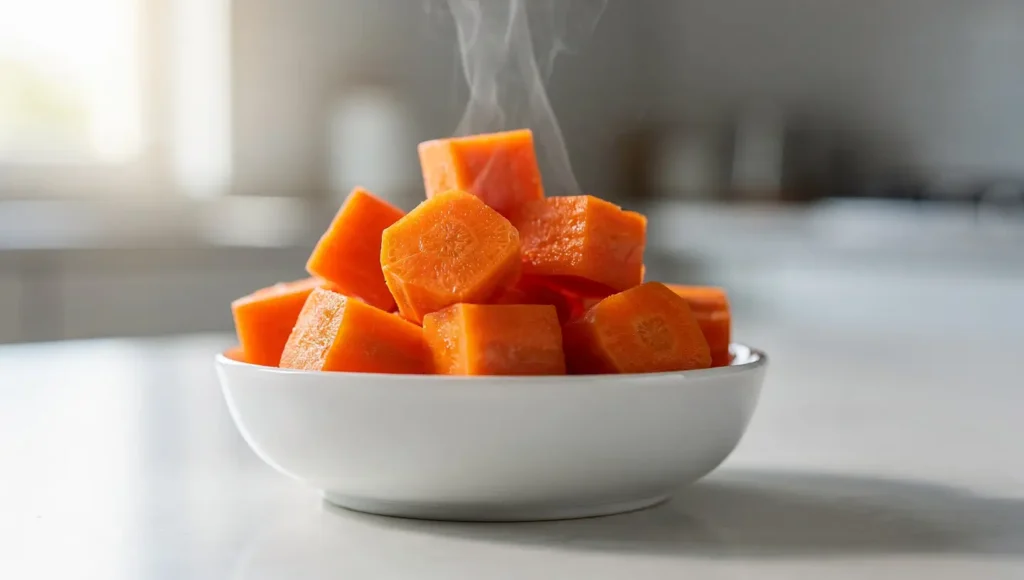
- Cooked vs. Raw: While raw carrots are safe, they can be a choking hazard. It is best to serve them steamed or boiled until soft.
- Serving Size: One or two small, bite-sized cubes are plenty for a single serving.
- Digestibility: Cooking carrots breaks down the tough plant cell walls, making it easier for your cat to absorb the nutrients.
🥦 Other Green Favorites
- Green Beans: Often called the “ultimate filler,” green beans are perfect for cats that always seem hungry but need to watch their calorie intake.
- Peas: Many premium cat foods already include peas because they are a great source of Vitamin K and Manganese.
Expert Tip: Never use canned vegetables that contain added salt or seasonings. Always stick to fresh or frozen (thawed) options to keep your cat’s kidneys safe. If you’re curious about other human foods, visit our list of Safe Human Food for Cats.
🎃 Pumpkin for Cats: The Digestive Miracle Worker
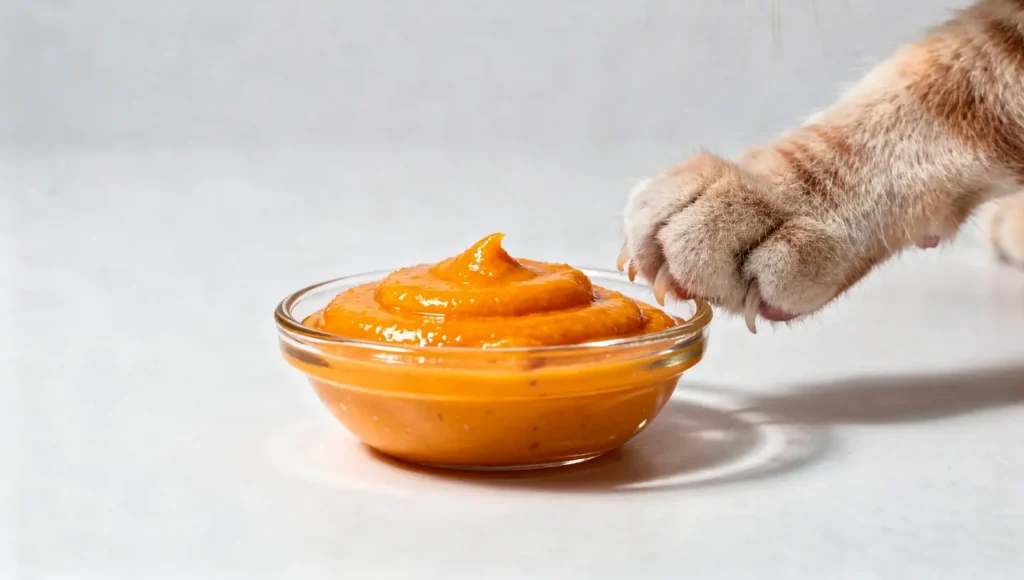
If there is one vegetable that every cat owner should have in their pantry, it is pumpkin. Pumpkin for cats is widely celebrated by experts not just as a treat, but as a natural remedy for common tummy troubles.
The secret lies in its unique fiber content. It contains both soluble and insoluble fiber, which helps regulate the digestive tract regardless of whether the issue is constipation or mild diarrhea.
🧪 Canned Pumpkin for Cat Digestion
Using canned pumpkin for cat digestion is the most effective way to serve this super-veggie. However, you must be extremely careful with your choice:
- Pure Purée Only: The only safe option is 100% pure canned pumpkin.
- Avoid Pie Filling: Never use “Pumpkin Pie Filling,” as it contains nutmeg, cinnamon, and sugars that are toxic to cats.
- The “Poop” Regulator: Adding 1-2 teaspoons to your cat’s wet food can help move hairballs along. Speaking of which, if your cat is struggling with frequent hairballs, you might find our guide on why does my cat throw up after eating very helpful.
🫐 Blueberries Benefits for Cats: The Feline Superfood
Many owners are surprised to learn that blueberries benefits for cats are quite significant. While cats don’t have “sweet” taste buds, they can still enjoy the juicy texture and the massive nutritional punch these tiny berries pack.
- Antioxidant Powerhouse: Blueberries are loaded with antioxidants that help fight free radicals and support brain health in aging cats.
- Vitamin C & Fiber: They provide a boost to the immune system and help maintain urinary tract health.
- Low Calorie: One blueberry contains very few calories, making it a “guilt-free” snack for indoor cats.
Expert Tip: To maximize the blueberries benefits for cats, try mashing them slightly before serving. This releases the juices and makes it easier for your cat to “lap up” the nutrients. Limit this treat to 2 or 3 berries per day to avoid too much natural sugar.
🥗 Quick Comparison: Pumpkin vs. Blueberries
| Feature | Pumpkin | Blueberries |
|---|---|---|
| Primary Goal | Digestive Support | Immune & Brain Health |
| Best For | Constipation / Hairballs | Healthy Weight / Aging |
| Preparation | Steamed or Canned (Pure) | Raw, Washed, & Mashed |
| Source | Cornell Feline Health Center | Superfood Category |
⚠️ Toxic Fruits for Cats: What to Avoid at All Costs
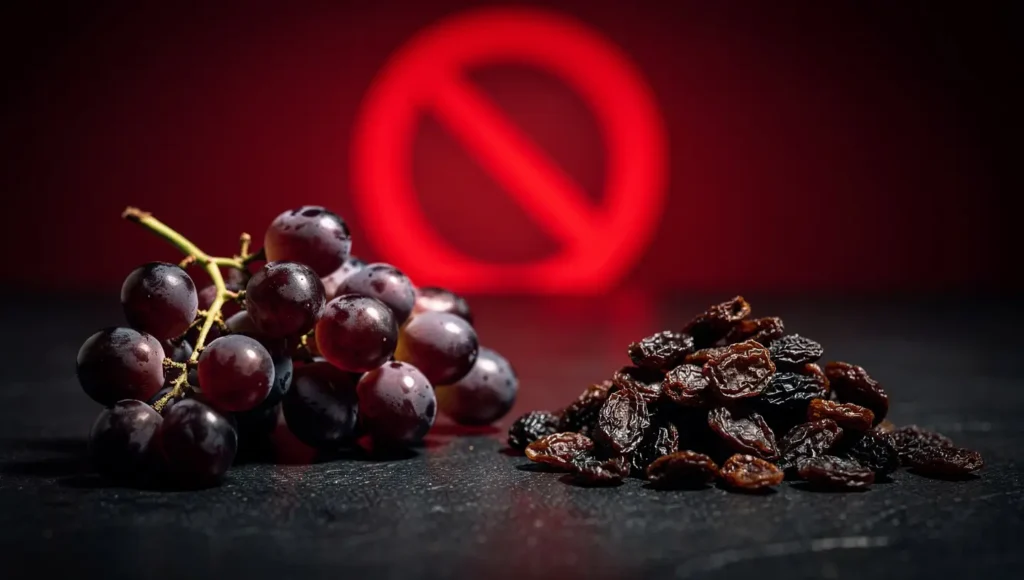
While exploring safe fruits for cats is exciting, knowing what to keep away from your feline friend is even more critical. Some fruits that are healthy for humans can be life-threatening for cats, even in tiny amounts. As a responsible owner, protecting your cat from toxic fruits for cats is a top priority in preventive care.
- Grapes and Raisins: These are arguably the most dangerous. Even a single raisin can cause severe issues. We always recommend keeping these completely out of paw’s reach.
- Citrus Fruits: Lemons, limes, and oranges contain essential oils and psoralens that can lead to digestive upset and light sensitivity.
- Cherries: While the flesh might be okay, the pits, stems, and leaves contain cyanide, which is highly dangerous.
- Persimmons: The seeds and pits of persimmons can cause intestinal blockages, which are a major concern for curious cats.
If your cat accidentally ingests something suspicious and starts showing signs of distress, it is vital to know the symptoms. You can read more about identifying these signs in our guide: How to Tell if Your Cat is Sick.
⚖️ Safe Treats vs. Toxic Hazards: The Ultimate Comparison
To make your life easier, we have created this quick-reference table to help you distinguish between a healthy snack and a dangerous mistake.
| Fruit/Veggie | Safety Status | Action Required |
|---|---|---|
| Blueberries | ✅ Safe | Wash and serve whole or mashed. |
| Grapes / Raisins | ❌ Toxic | Keep away at all times. |
| Canned Pumpkin | ✅ Safe | Use 100% pure purée only. |
| Onions / Garlic | ❌ Toxic | Highly dangerous to red blood cells. |
| Carrots (Cooked) | ✅ Safe | Steam and cut into small bites. |
| Citrus (All) | ❌ Toxic | Avoid skin, juice, and seeds. |
Expert Tip: For a comprehensive list of substances that could harm your pet, always consult the ASPCA Poison Control Database. It is the gold standard for pet safety information.
🍽️ How to Safely Prepare Fruit and Veggie Treats
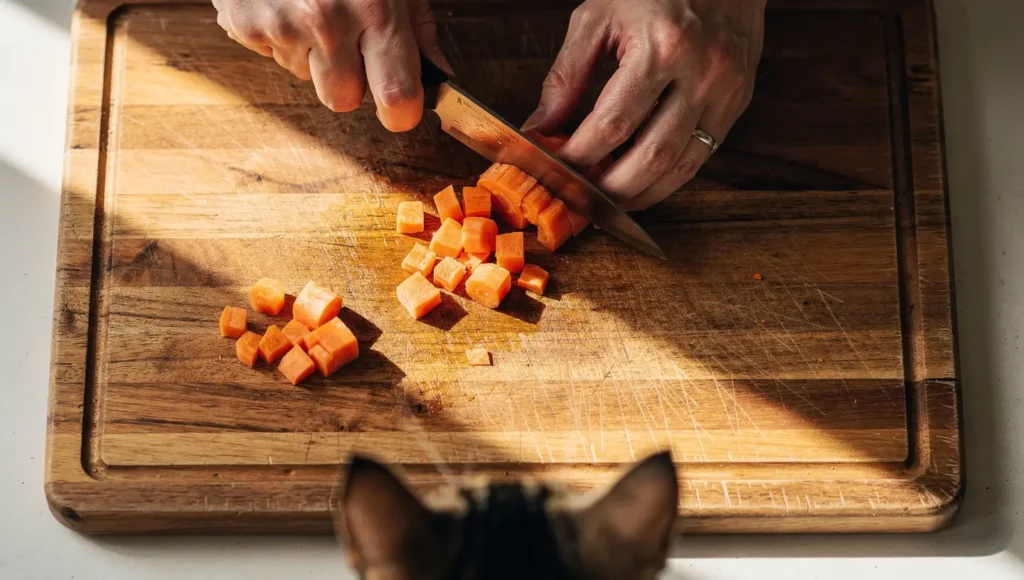
Preparing safe fruits for cats is not just about choosing the right ingredients; it’s about the delivery. Cats have sensitive digestive systems and small throats, so the way you serve these snacks matters as much as what you are serving.
- Wash Thoroughly: Always rinse produce to remove pesticides or chemicals.
- Remove Seeds and Pits: Even in safe fruits like watermelon, seeds can cause choking or intestinal blockages.
- Peel Everything: The skin of many fruits and vegetables is hard to digest for cats.
- Size Matters: Cut everything into tiny, pea-sized pieces to prevent choking.
- Steaming is King: For harder vegetables like carrots for cats, steaming them until they are soft is the best way to ensure they are easy to swallow.
If you are unsure about a specific food not mentioned here, you can always refer back to our comprehensive list of What Can Cats Eat? for more ideas.
❓ FAQs About Safe Fruits for Cats
Can cats actually taste the sweetness in fruit?
Interestingly, no. Science shows that cats lack the specific taste bud receptors for sweetness. When they enjoy safe fruits for cats, they are usually attracted to the texture, moisture, or even the smell rather than the sugar.
Can kittens have fruit or veggie treats?
Kittens have very specific nutritional needs for growth. While a tiny lick of canned pumpkin for cat digestion is usually fine for a 12-week-old kitten with a tummy upset, it is best to stick to balanced kitten food for the first year.
How often can I give my cat blueberries?
Think of blueberries benefits for cats as a “once-in-a-while” luxury. Two or three berries, once or twice a week, is more than enough to provide a healthy boost without overdoing the fiber.
🐾 Final Thoughts on Healthy Feline Snacking
At the end of the day, your cat is a hunter at heart, and meat will always be their first love. However, adding a bit of “green” or a juicy berry to their day is a wonderful way to provide mental stimulation and a small health boost.
Watching your cat curiously sniff a blueberry or enjoy the crunch of a steamed carrot is a tiny joy that strengthens the bond you share. Just remember: keep it small, keep it safe, and always prioritize their high-protein diet. Happy snacking!