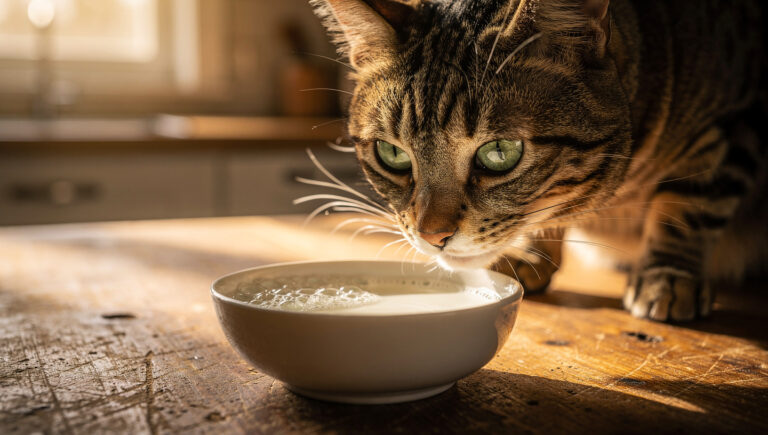

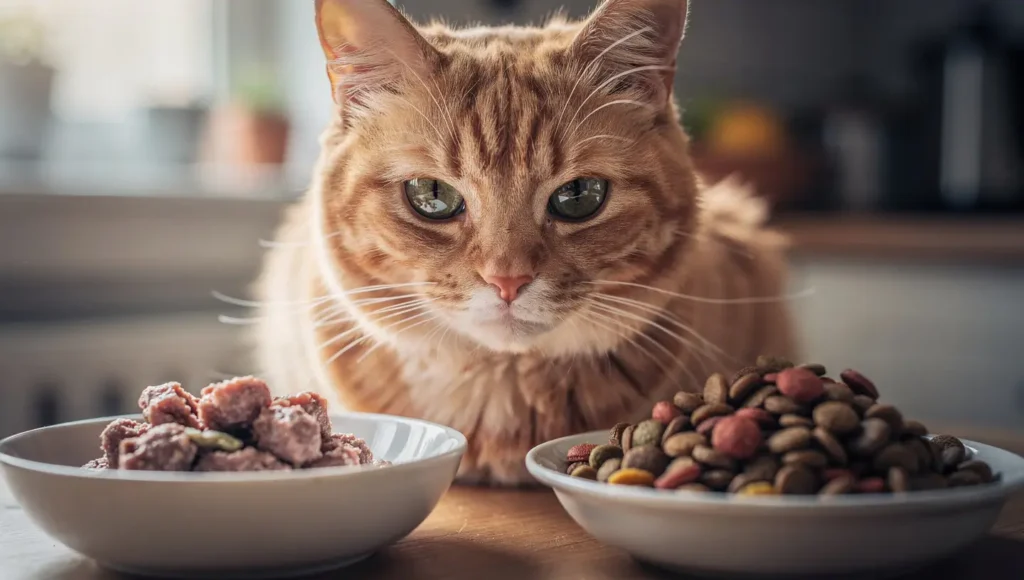
Wet vs dry cat food is a decision that every cat owner faces the moment they bring a new feline friend home. Whether you are staring at the endless aisles of cans or large bags of kibble, the goal is always the same: providing the best nutrition for a long, healthy life.
Choosing between these two isn’t just about price or convenience; it’s about understanding your cat’s biological needs. While some owners swear by the crunch of kibble, others believe the hydration of wet food is non-negotiable.
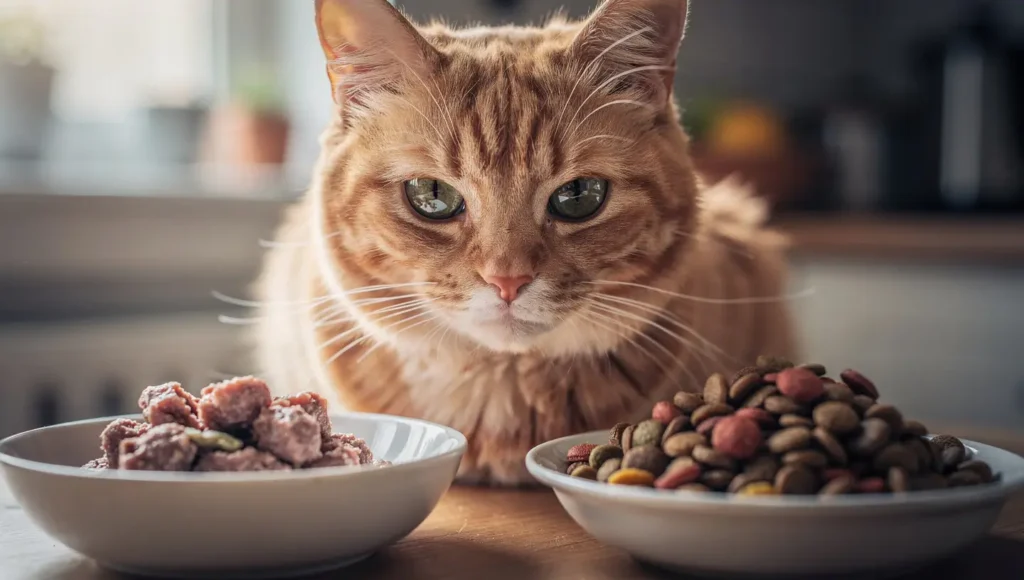
📊 Wet vs Dry Cat Food: A Quick Comparison at a Glance
If you are in a hurry, here is a breakdown of how both types of food stack up against each other across the most important categories for pet parents.
| Feature | Wet Cat Food | Dry Cat Food (Kibble) |
|---|---|---|
| Hydration | High (70-80% water) | Low (around 10% water) |
| Shelf Life | Short once opened | Long and stable |
| Cost | Generally more expensive | Budget-friendly |
| Dental Health | Minimal impact | May help reduce plaque |
| Palatability | High (Most cats love it) | Moderate |
| Convenience | Needs refrigeration | Easy to store and serve |
Quick Summary: Wet food is the “Hydration King,” essential for kidney and urinary health, especially in indoor cats, while dry food offers “Efficiency and Value,” making it easier for busy owners to manage daily feedings.
Table of Contents
- 📊 Wet vs Dry Cat Food: A Quick Comparison at a Glance
- 💧 The Hydration Hero: Why Wet Cat Food Matters
- 🧬 Understanding the Feline “Thirst Drive”
- 🥩 Superior Protein Content and Texture
- 🛡️ Supporting Long-term Kidney Health
- 🦷 Convenience and Crunch: The Advantages of Dry Cat Food
- ✨ Dental Health and Plaque Control
- 💰 Cost-Effectiveness and Busy Lifestyles
- 🛡️ Nutritious and Calorie-Dense
- 🍲 The Best of Both Worlds: Mixing Wet and Dry Cat Food Benefits
- 🌟 Why a Mixed Diet is the Ultimate Winner
- 📅 The “Gold Standard” Feeding Schedule
- 🔗 Sourcing Quality for the Mix
- 💰 Analyzing the Cost: Wet Food vs Dry Food
- 🏁 Conclusion: How to Decide for Your Specific Cat?
- 📝 Final Decision Checklist:
💧 The Hydration Hero: Why Wet Cat Food Matters
When we talk about wet vs dry cat food, the most significant difference lies in the moisture content. Cats are biologically designed to get their water from their prey rather than a water bowl. This is where wet food becomes a lifesaver—literally.
🧬 Understanding the Feline “Thirst Drive”
Most cat owners don’t realize that our domestic felines are descendants of desert-dwelling wildcats. Because of this ancestry, cats have a naturally low thirst drive. They aren’t wired to feel thirsty until they are already significantly dehydrated.
By serving wet food, you are ensuring they stay hydrated throughout the day without relying on them to visit the water fountain. Proper hydration is the first line of defense against painful urinary tract issues and kidney disease.
🥩 Superior Protein Content and Texture
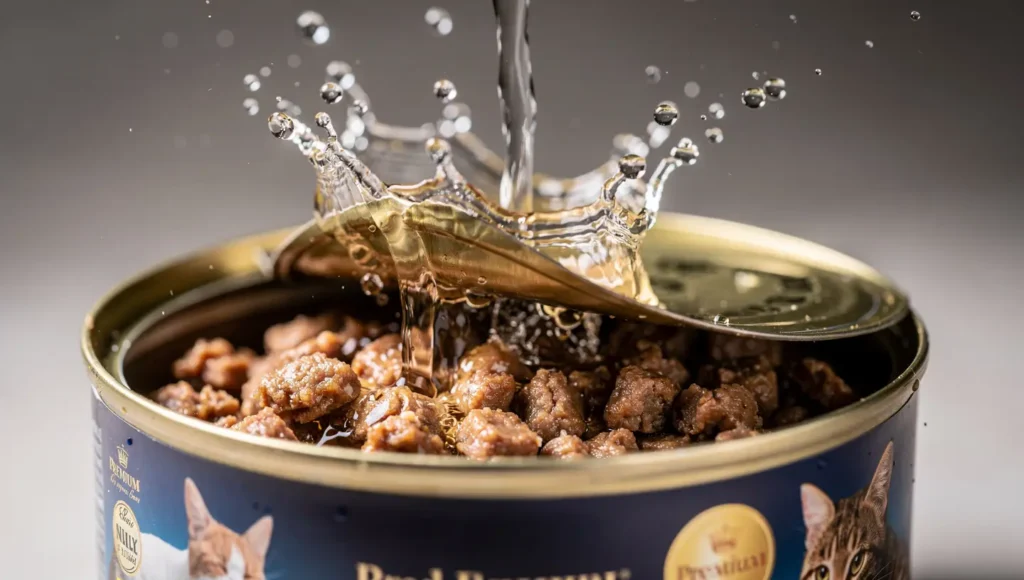
Wet food isn’t just about water; it’s about high-quality nutrition. Most premium wet foods offer a higher protein content and fewer carbohydrates compared to kibble. Since cats are “obligate carnivores,” they thrive on animal-based proteins rather than the grains or starches often used to bind dry pellets together.
- Rich Aroma: The strong scent of wet food is perfect for “picky eaters” or senior cats with a declining sense of smell.
- Easy Digestion: The soft texture is gentle on the stomach and much easier for kittens or older cats with dental issues to chew.
Expert Tip: If your cat is prone to urinary issues, such as peeing outside the litter box, switching to a primarily wet diet can often help manage the underlying stress and physical discomfort caused by dehydration.
🛡️ Supporting Long-term Kidney Health
Keeping your cat hydrated is about more than just quenching thirst; it’s about flushing out toxins. A diet rich in moisture helps the kidneys function efficiently. If you want to dive deeper into what makes a balanced feline diet, check out our guide on what do cats eat to understand their core nutritional requirements.
🦷 Convenience and Crunch: The Advantages of Dry Cat Food
While moisture is crucial, dry cat food (commonly known as kibble) has earned its place in millions of homes for several valid reasons. When weighing the options of wet vs dry cat food, many owners find that a high-quality kibble offers a level of convenience and specific benefits that cans simply cannot match.
✨ Dental Health and Plaque Control
One of the most debated topics in feline nutrition is whether dry food actually cleans teeth. While it is not a substitute for professional cleaning, the mechanical action of chewing crunchy kibble can help reduce the accumulation of plaque and tartar on the tooth surface.
The “crunch” acts as a very mild abrasive. However, for a truly effective dental routine, we always recommend combining kibble with regular brushing. If you are struggling with this, don’t miss our guide on how to brush your cat without the stress.
💰 Cost-Effectiveness and Busy Lifestyles
Let’s be realistic: cost is a major factor for most pet parents. Dry food is significantly more budget-friendly, especially if you are feeding multiple cats.
- Shelf Stability: Unlike wet food, which spoils within hours, dry food can stay in the bowl all day. This makes it the perfect choice for “free-feeding” or for owners who work long hours and can’t be home for scheduled mid-day meals.
- Bulk Savings: Buying in large bags reduces the price per pound and minimizes packaging waste, making it the more “eco-friendly” and economical choice over time.
Quick Summary: Dry food is the champion of convenience. It is easier to store, doesn’t require refrigeration, and helps keep feeding costs manageable while providing complete and balanced nutrition.
🛡️ Nutritious and Calorie-Dense
Dry food is often more calorie-dense than wet food. This can be an advantage for highly active cats or those who struggle to maintain weight. Because it’s concentrated, your cat needs to eat less volume to get the same amount of energy. Just be mindful of portion control to prevent obesity, a common issue with “free-access” kibble.
🍲 The Best of Both Worlds: Mixing Wet and Dry Cat Food Benefits
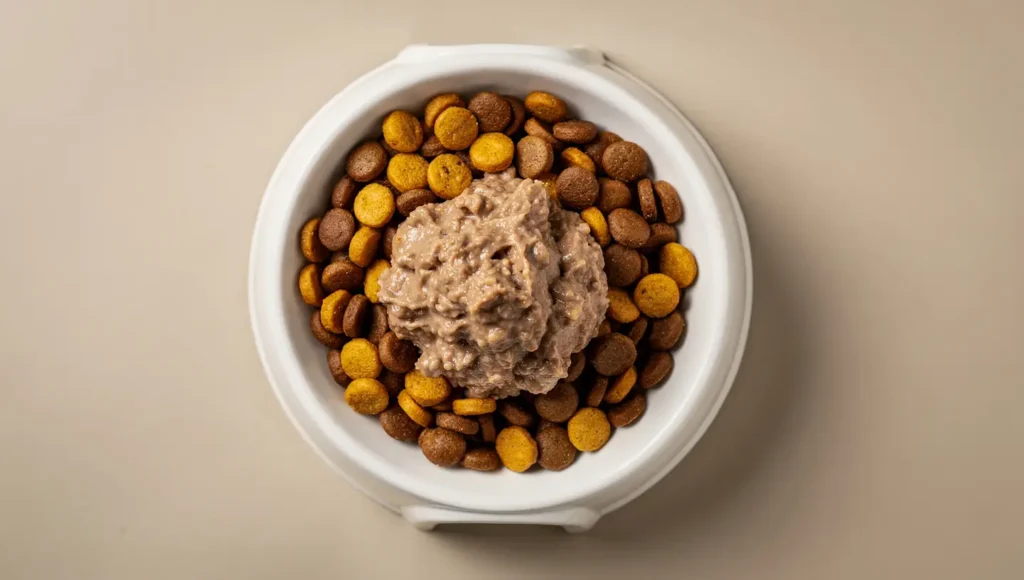
If you are struggling to choose, here is some great news: you don’t have to pick just one. Many veterinarians and nutritionists now recommend a “Hybrid Diet.” By mixing wet and dry cat food, you provide your feline friend with a variety of textures and the nutritional benefits of both worlds.
This approach is often considered the “Gold Standard” because it addresses hydration needs while keeping the feeding routine practical and affordable.
🌟 Why a Mixed Diet is the Ultimate Winner
Combining these two food types isn’t just about variety; it’s about strategic nutrition. Here is how your cat wins:
- Optimal Hydration: Your cat gets that essential moisture boost from the wet food portions, especially during morning or evening meals.
- Weight Management: Wet food helps your cat feel full faster (due to high water content), while limited dry food provides the energy they need for play.
- Preventing Boredom: Cats are notorious for “food boredom.” Mixing textures keeps them excited about their bowl and prevents them from becoming overly picky.
- Cost Balance: You can save money by using dry kibble as the base and high-quality wet food as a nutritious “topper” or a dedicated meal.

📅 The “Gold Standard” Feeding Schedule
How do you actually implement this? Here is a simple table to show a common, effective routine for a healthy adult cat:
| Meal Time | Food Type | Primary Benefit |
|---|---|---|
| Morning | 1/2 Can of Wet Food | Immediate hydration after a night of sleep. |
| During Day | Measured portion of Kibble | Allows for “grazing” and provides dental crunch. |
| Evening | 1/2 Can of Wet Food | High protein and moisture before the night cycle. |
Expert Tip: When mixing, always ensure you are not overfeeding. Calculate the total calories for both types to keep your cat at a healthy weight. If you’re wondering about adding “human food” treats to this mix, check out our guide on what can cats eat to see which human snacks are safe as occasional toppers.
🔗 Sourcing Quality for the Mix
Whether you’re mixing or keeping them separate, quality matters. Look for brands that list a specific animal protein (like chicken, turkey, or salmon) as the first ingredient. For more on selecting the right ingredients, you can refer to the Cornell Feline Health Center’s guidelines on feline nutrition.
💰 Analyzing the Cost: Wet Food vs Dry Food
When deciding between wet vs dry cat food, your monthly budget is a significant factor. It is no secret that feeding a cat exclusively on high-quality wet food is more expensive than buying a large bag of kibble. However, it’s important to look at “cost” through two different lenses: immediate expense and long-term health value.
- The Daily Expense: On average, wet food can cost 3 to 5 times more per serving than dry food. This is due to the packaging (individual cans or pouches) and the high protein and water content.
- The Bulk Advantage: Dry food allows you to buy in bulk. A 15lb bag of premium kibble can last a single cat several months, making it the most economical choice for many families.
- The “Health Insurance” Factor: While wet food is pricier now, providing adequate hydration can prevent expensive veterinary bills later in life. Treating chronic kidney disease or urinary blockages can cost thousands of dollars—making the investment in wet food a form of preventive healthcare.
🏁 Conclusion: How to Decide for Your Specific Cat?
After weighing all the facts about wet vs dry cat food, here is the truth: there is no single right answer. Every cat is a unique individual with specific health needs, a distinct personality, and—let’s be honest—sometimes very picky tastes.
Your decision should be a balance between your lifestyle and your cat’s biological requirements. If your cat is a senior with dental issues or has a history of urinary crystals, wet food is likely your best bet. If you have a busy work schedule and a healthy cat who loves to crunch, high-quality dry food is a perfectly valid and nutritious choice.
📝 Final Decision Checklist:
- Age: Kittens and seniors often benefit from the softness of wet food.
- Health: Consult your vet if your cat has kidney or weight issues.
- Budget: Don’t feel guilty—a hybrid diet is a fantastic compromise.
- Preference: At the end of the day, the best food is the one your cat will actually eat.
Choosing the right diet is the first step in a long journey of care. If you are still curious about the basics of feline nutrition, feel free to revisit our deep dives into what can cats eat and our comprehensive guide on what do cats eat to ensure your furry friend is getting everything they need to thrive.