
Those iconic folded ears and wide, owl-like eyes make it impossible not to fall in love with a Scottish Fold at first sight. However, being a devoted “cat parent” to this breed involves much more than admiring their unique looks; it requires a deep commitment to a specialized Scottish Fold health and care guide that prioritizes their physical comfort above all else.
Owning a Fold is a journey of empathy. Because the very trait we find adorable is linked to a complex genetic condition, our role is to transition from mere owners to proactive health advocates, ensuring our feline companions live a life defined by joy rather than silent discomfort.
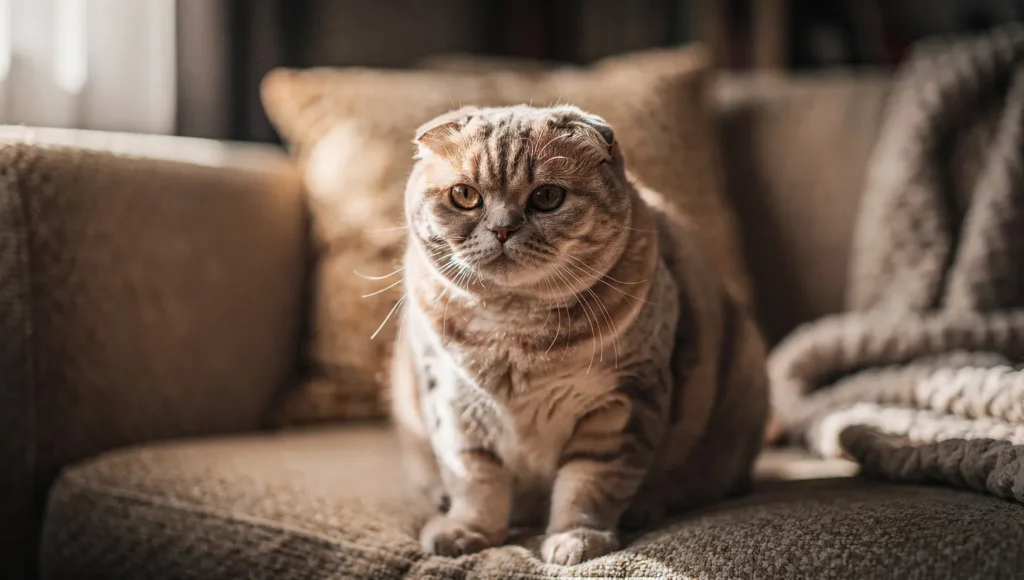
Table of Contents
- 🧬 Understanding the “Fold”: Genetics and Osteochondrodysplasia
- The Scottish Fold Gene (SF Gene) Explained
- 💡 Expert Tip: The “Tail Test”
- Why Specialized Care is a Necessity
- 🔍 Home Screening: 5 Subtle Signs of Joint Pain You Shouldn’t Ignore
- 🏠 Quick Summary: The “Resting” Clue
- 🥣 The Golden Diet: Cartilage Support & Weight Management
- Essential Nutrients for Joint Longevity
- The Importance of Lean Weight
- 👂 Folded Ear Hygiene: Preventing Silent Infections
- Signs of a “Silent” Ear Infection
- 💡 Expert Tip: The “Less is More” Rule
- 🏠 Creating a Joint-Friendly Home Environment
- Accessibility Modifications
- Vertical Space Without the Risk
- 🧶 Mental Stimulation for Low-Mobility Cats
- Engaging the “Indoor Hunter”
- 🩺 Preventive Vet Care & Lifespan Expectancy
- The Proactive Healthcare Routine
- The Reward of Proactive Parenting
🧬 Understanding the “Fold”: Genetics and Osteochondrodysplasia
To provide the best care, we must first understand the science behind the aesthetic. The signature ear fold is caused by a dominant gene mutation that affects the development of cartilage throughout the cat’s entire body, not just the ears.
This condition is known as Osteochondrodysplasia. While it gives them their charming appearance, it also means that the cartilage supporting their joints can be weaker or more prone to issues than in other breeds. Understanding this is the cornerstone of any Scottish Fold health and care guide, as it shapes how we handle, feed, and play with them daily.
The Scottish Fold Gene (SF Gene) Explained
- The Fold vs. Straight: Not every kitten in a litter will have folded ears. Those with straight ears (Scottish Straights) do not carry the same cartilage risks but still possess the sweet temperament the breed is known for.
- Cartilage Impact: In cats with the “folded” gene, the cartilage doesn’t provide the same cushioning at the joints. This is why monitoring their movement and cat body language is vital from a young age.
- Ethical Breeding Matters: Responsible breeders never mate two “folded” cats together, as this significantly increases the risk of severe skeletal deformities.
💡 Expert Tip: The “Tail Test”
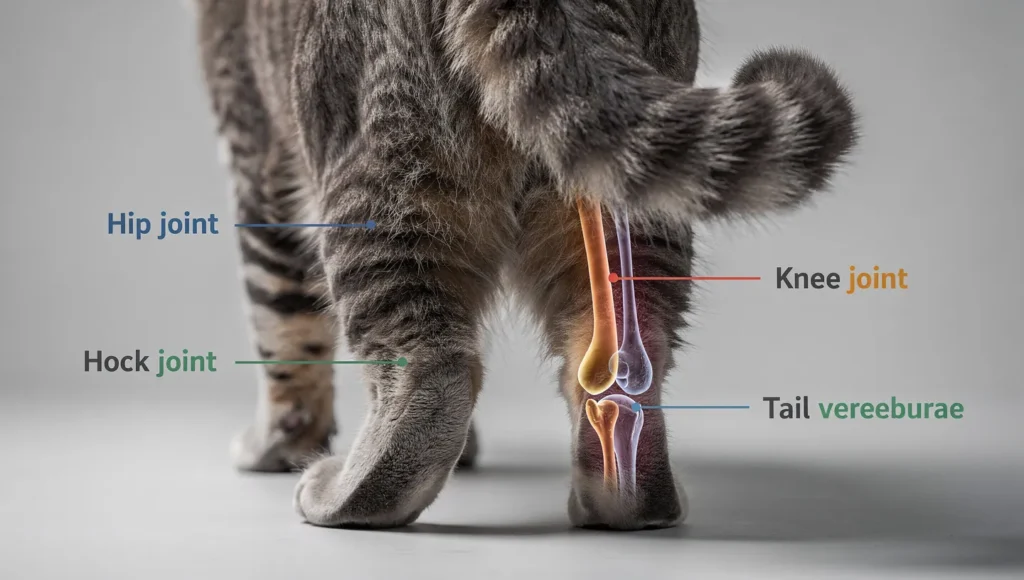
A simple way to check your Fold’s spinal health at home is to gently feel their tail. It should be flexible and move freely. If the tail feels stiff or the cat shows signs of discomfort when it’s touched, it may be an early indicator of cartilage thickening, and a vet visit is recommended.
Why Specialized Care is a Necessity
Living with a Scottish Fold means being hyper-aware of their mobility. According to research by International Cat Care, the degree of joint impact can vary, but proactive management is the best tool we have to ensure their quality of life remains high. By focusing on prevention rather than just treatment, we can help our cats stay active and playful for years to come.
🔍 Home Screening: 5 Subtle Signs of Joint Pain You Shouldn’t Ignore
Because cats are masters at hiding discomfort, a huge part of your Scottish Fold health and care guide involves being a “health detective.” Joint pain in Folds doesn’t always look like a limp; often, it shows up as subtle shifts in their daily personality and routine.
Early detection is the key to preventing long-term mobility issues. Here are the five red flags to watch for:
- The “Hesk” Jump: If your cat used to leap onto the counter with ease but now hesitates, or looks for “stepping stones” (like a chair) to get to a higher spot, their joints may be stiff.
- Change in Grooming Habits: A cat in pain might stop grooming hard-to-reach areas, leading to a matted coat, or conversely, they might obsessively lick a specific joint.
- Reduced “Zoomies”: While Folds are generally mellow, a total lack of interest in play or running is a sign that movement has become uncomfortable.
- Stiff “Bunny Hopping”: Watch them run. If they move both back legs together rather than in a fluid stride, it’s a classic sign of hip or spinal stiffness.
- Personality Shifts: A normally sweet Fold who becomes irritable when picked up or touched near the tail/lower back is often communicating physical distress.
🏠 Quick Summary: The “Resting” Clue
Pay attention to where your cat sleeps. If they’ve abandoned their favorite high perch for a spot on the floor or a low-entry bed, it’s time for a professional mobility check. Understanding how to tell if your cat is sick is your first line of defense.
🥣 The Golden Diet: Cartilage Support & Weight Management
Diet is arguably the most powerful tool in your Scottish Fold health and care guide. Since their cartilage is genetically compromised, we must use nutrition to “buffer” the joints and keep inflammation at bay.
The two-pronged approach focuses on Weight Management (to reduce mechanical stress) and Targeted Supplements (to repair and protect).
Essential Nutrients for Joint Longevity
For a Scottish Fold, certain ingredients are not just “extras”—they are essential for maintaining a high quality of life.
| Nutrient | Why Your Fold Needs It | Source/Supplement |
|---|---|---|
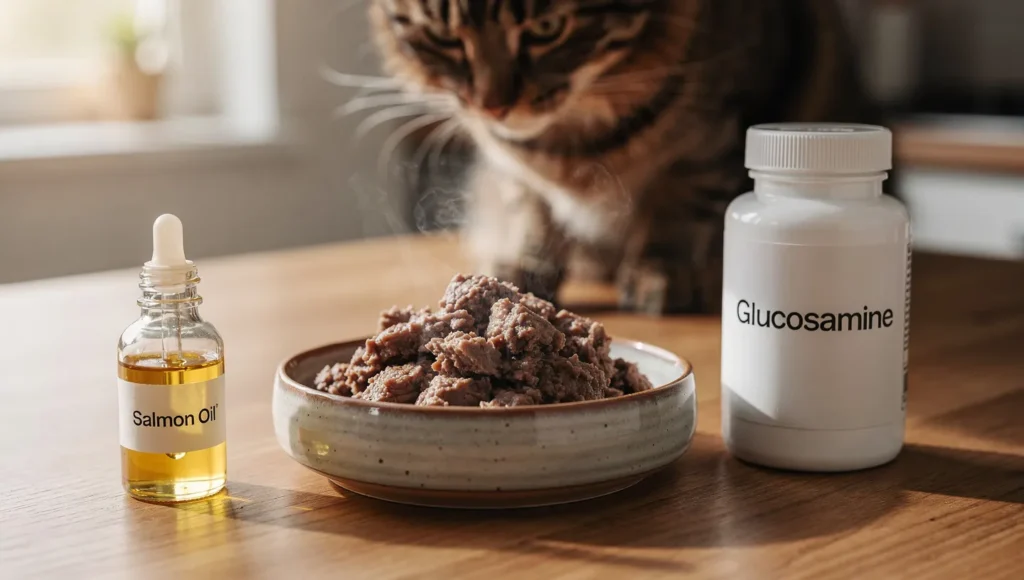
| Glucosamine | Helps repair and maintain joint cartilage. | Green-lipped mussels or high-quality supplements. |
| Chondroitin | Improves joint elasticity and inhibits destructive enzymes. | Often paired with Glucosamine for synergy. |
| Omega-3 (EPA/DHA) | Powerful natural anti-inflammatory for the whole body. | Fish oil or krill oil (Ensure it’s heavy-metal free). |
| Hyaluronic Acid | Keeps the “joint fluid” thick and lubricating. | Specialized feline joint formulas. |
The Importance of Lean Weight
Every extra pound puts immense pressure on a Fold’s sensitive skeletal structure. Research suggests that keeping a cat at a lean body condition can delay the onset of arthritis symptoms by years. Switching to a high-protein, moisture-rich diet is often better than dry kibble, as it promotes satiety without the carb-heavy calories. For a deeper dive into choosing the right base, check out our guide on Wet vs Dry Cat Food.
👂 Folded Ear Hygiene: Preventing Silent Infections
The very feature that makes these cats famous—their folded ears—creates a unique health challenge. Because the ear flap is folded over the canal, it traps moisture and heat, creating a “micro-climate” that is the perfect breeding ground for bacteria, yeast, and ear mites.
Regular maintenance is a non-negotiable part of your Scottish Fold health and care guide. Unlike other breeds, Folds cannot easily shake out debris, so they rely entirely on you for hygiene.
Signs of a “Silent” Ear Infection
- Odor: A healthy ear shouldn’t smell. A musty or foul odor is a red flag.
- Discharge: Look for dark brown or black waxy buildup (often a sign of mites).
- Head Shaking: Frequent shaking or tilting the head to one side.
- Redness: The inner skin should be pale pink, not inflamed or red.

💡 Expert Tip: The “Less is More” Rule
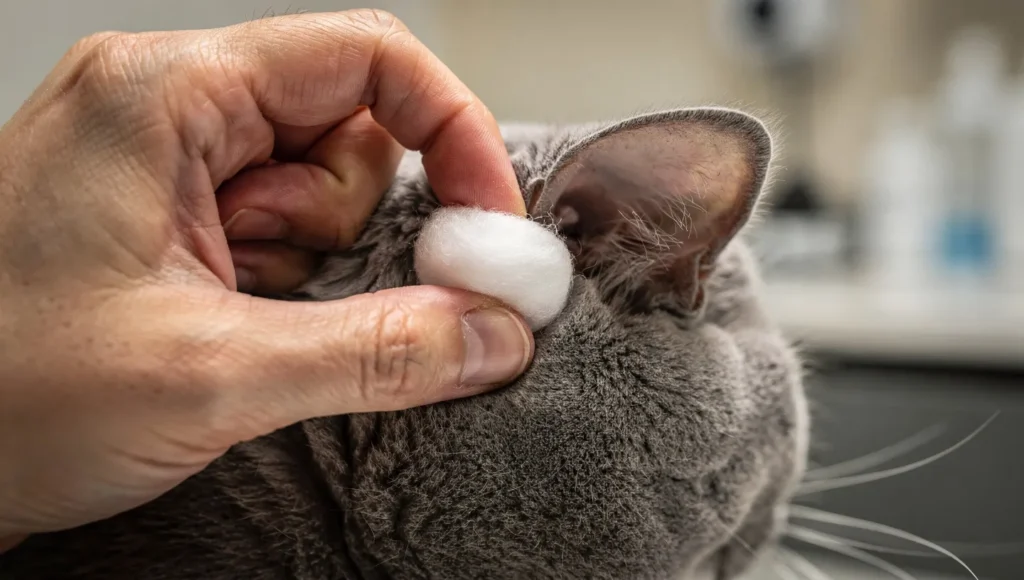
Never use cotton swabs (Q-tips) inside the ear canal, as this can push debris deeper or cause permanent damage. Instead, use a vet-approved ear cleaning solution and a soft cotton ball. For more safety tips on grooming sensitive areas, see our guide on Cleaning Cat Ears Safely.
🏠 Creating a Joint-Friendly Home Environment
Since movement can be a challenge for this breed, your home should be an accessible sanctuary. A major goal of a Scottish Fold health and care guide is to minimize the “impact” on their bones during daily activities. Small adjustments in your living space can significantly reduce your cat’s daily pain levels and preserve their mobility.
Accessibility Modifications
- Low-Entry Litter Boxes: Swap high-walled boxes for ones with a low entry point so your cat doesn’t have to “climb” or jump to go to the bathroom.
- Step Ramps: If your Fold loves the sofa or your bed, provide pet ramps or small “stairs” to prevent the jarring impact of jumping down.
- Orthopedic Bedding: Invest in high-quality, memory foam beds that support their joints and keep them warm (cold weather often worsens arthritis pain).
- Non-Slip Rugs: Place runners on slippery hardwood or tile floors to provide better traction and prevent accidental slips that can strain weak ligaments.
Vertical Space Without the Risk
While all cats love height, Folds need “safe” height. Instead of a tall, thin cat tree, look for modular designs with wide platforms and easy-to-climb steps. If you’re looking for the best options, our review of the Best Cat Trees in 2026 includes several sturdy, low-impact models perfect for Folds.
🧶 Mental Stimulation for Low-Mobility Cats
A common mistake many owners make is assuming that because a Scottish Fold is less active, they don’t need mental engagement. In reality, a bored cat is a stressed cat, and stress can exacerbate physical pain. Part of a holistic Scottish Fold health and care guide is ensuring their mind remains as sharp as their “owl” gaze.
Since high-impact jumping and chasing are off the table, we focus on “Ground-Level Hunting.”
Engaging the “Indoor Hunter”
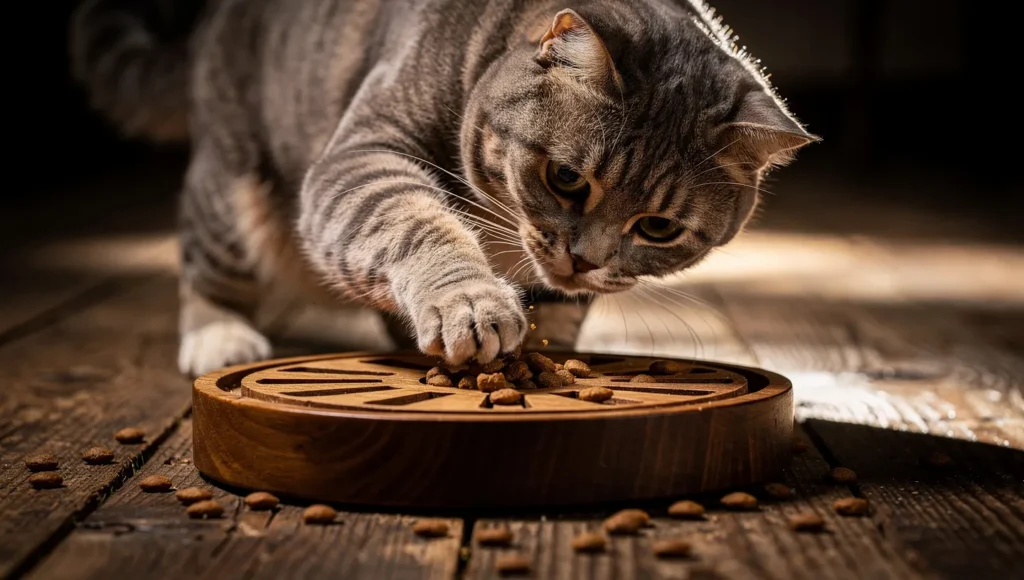
- Food Puzzles: Use slow-feeders or treat puzzles that require paw work rather than jumping. This keeps them occupied and helps with weight control.
- Scent Games: Hide small pieces of high-quality treats around their “accessible” zones to encourage exploration.
- Bird Watching: Set up a comfortable, low-profile window perch. The visual stimulation of watching birds is a great way to keep them entertained for hours without physical strain.
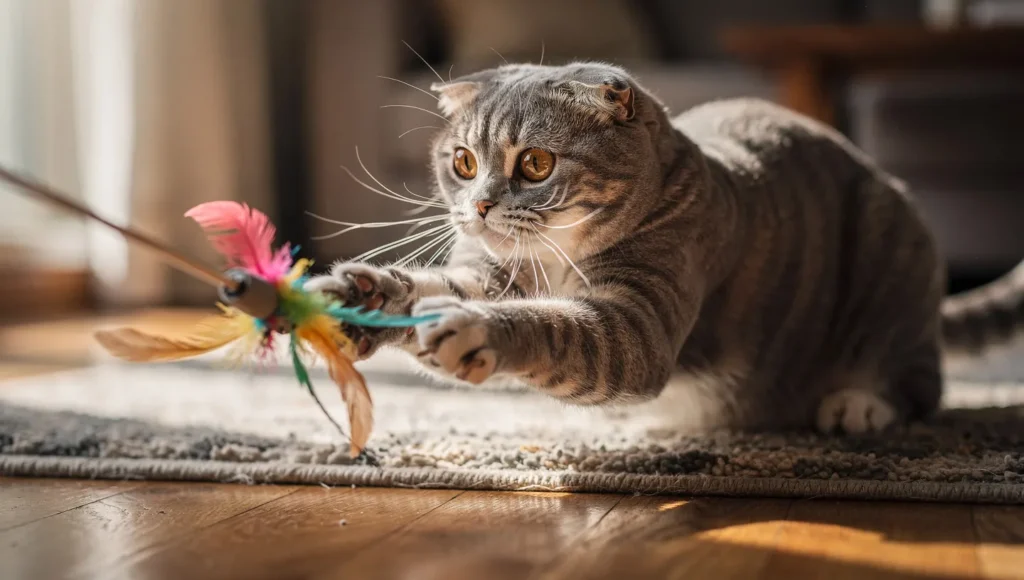
- Interactive Play: Use wand toys but keep the movement low and horizontal. Think “mouse scurrying on the floor” rather than “bird flying in the air.”
For more ideas on specific gadgets that suit a Fold’s pace, explore our expert-curated list of the Best Interactive Cat Toys.
🩺 Preventive Vet Care & Lifespan Expectancy
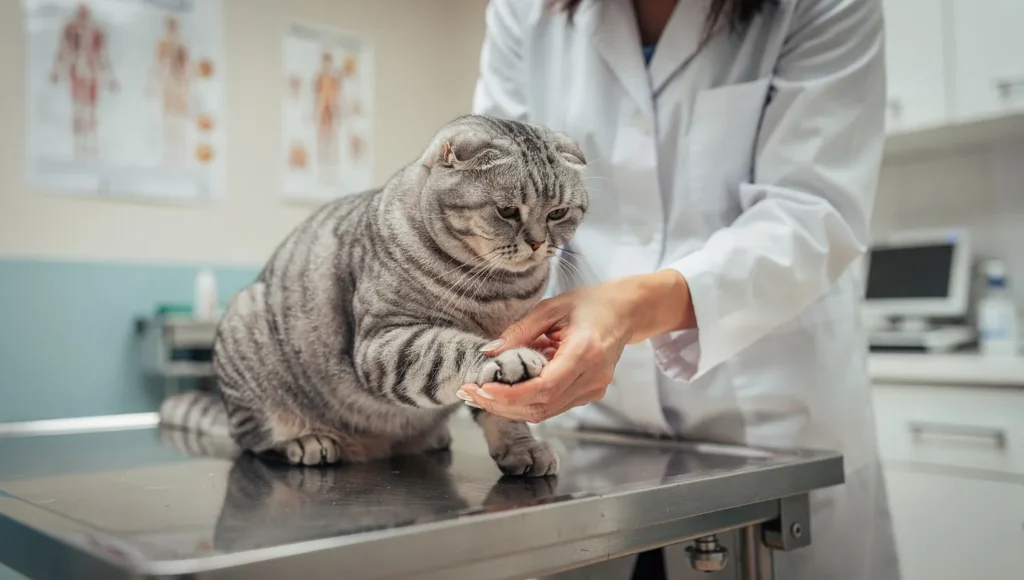
While home care is vital, your veterinarian is your most important partner. A Scottish Fold health and care guide is incomplete without a schedule for professional screening. Because joint issues can be progressive, catching changes early through diagnostic imaging is crucial.
The Proactive Healthcare Routine
- Annual X-rays: Starting from adulthood, annual or bi-annual X-rays of the joints and tail can track the progression of Osteochondrodysplasia.
- Blood Work: Regular panels ensure that their kidneys and liver are healthy enough to process any long-term pain management medications if they become necessary.
- Professional Dental Checks: Like all breeds, Folds need their teeth monitored. Learn more about maintaining that “fresh breath” in our Cat Dental Care Guide.
Lifespan Expectancy: With optimal nutrition, weight management, and proactive vet care, a Scottish Fold can live a full, happy life of 12 to 15 years. While the breed has genetic challenges, they are not a “death sentence” but rather a roadmap for specialized parenting.
The Reward of Proactive Parenting
Living with a Scottish Fold is a unique privilege. These cats are known for their extreme loyalty and “human-like” personalities. They may not be the champion high-jumpers of the feline world, but they are world-class companions who will reward your careful attention with a lifetime of quiet affection.
By following this Scottish Fold health and care guide, you aren’t just managing a breed; you are honoring a bond. You are ensuring that those iconic folded ears are accompanied by a body that feels safe, comfortable, and loved every single day.