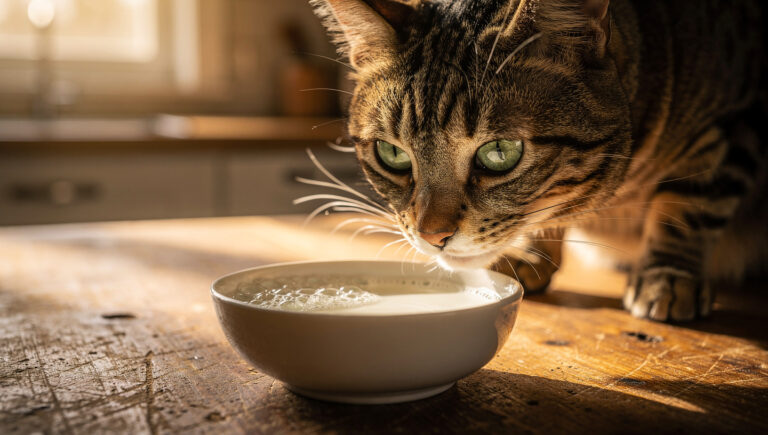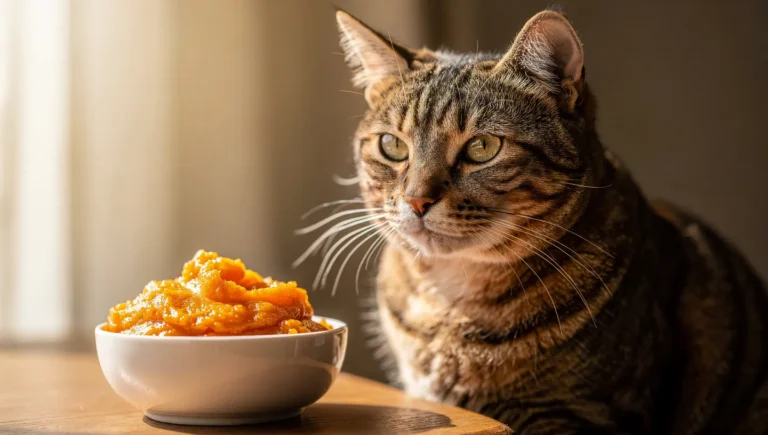

You’ve probably noticed it: your cat walks past the water bowl like it’s invisible, but the moment you crack open a can of tuna, they appear out of thin air. Dehydration in cats is a silent epidemic, and as someone who’s worked with hundreds of feline nutrition cases over the past decade, I’ve seen too many cats suffer from urinary issues and kidney stress simply because they refuse to drink enough water.
That’s where a proper bone broth for cats recipe becomes your secret weapon.
I’ll never forget the day a client brought in her 12-year-old Persian who hadn’t touched water in three days post-surgery. Within hours of offering homemade chicken bone broth, that cat was lapping it up like it was the finest delicacy. The transformation wasn’t just about hydration—it was about giving her body the amino acids, minerals, and collagen it desperately needed to heal.
In this guide, I’m sharing three tested bone broth recipes that have helped countless cats stay hydrated, support their joints, and boost their immune systems. You’ll learn exactly what bones to use, what ingredients are toxic (no guessing), and how much to serve based on your cat’s weight. Whether your cat is a picky eater, recovering from illness, or you simply want to add a nutritional boost to their daily diet, these recipes are foolproof and vet-approved.
Let’s turn your kitchen into a feline wellness lab.
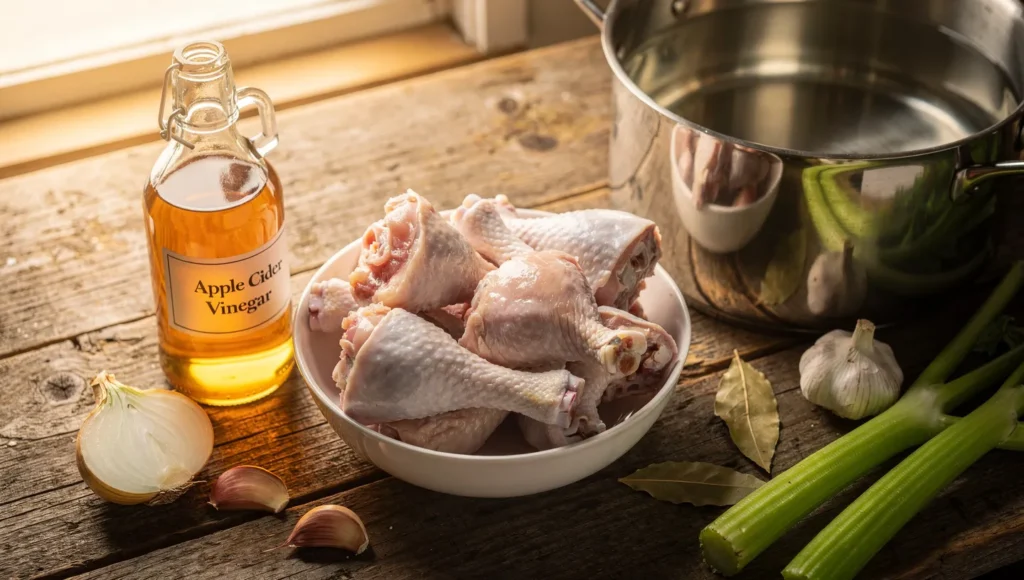
Table of Contents
- ⚡ Quick Answer: How to Make Bone Broth for Cats (Fast Summary)
- 🍗 Why Bone Broth is Liquid Gold for Your Cat (The Science)
- ⚠️ Safety First: What You Must Know Before You Start
- 🚫 Toxic Ingredients to NEVER Use
- ✅ Safe Bones & Ingredients Checklist
- 💡 Expert Tip Box:
- 🥘 Bone Broth for Cats Recipe #1: Classic Chicken (Beginner-Friendly)
- Ingredients You’ll Need:
- Step-by-Step Instructions:
- 🥩 Bone Broth for Cats Recipe #2: Beef Bone Broth (For Picky Eaters)
- 🦴 Bone Broth for Cats Recipe #3: Turkey Bone Broth (Post-Holiday Special)
- 📊 How Much Bone Broth Can I Give My Cat? (Feeding Guide)
- Serving Size by Weight:
- 3 Smart Ways to Serve It:
- 🔄 Is Bone Broth Safe for Cats Every Day?
- 🧊 Storage & Shelf Life: Keep It Fresh, Keep It Safe
- ❓ FAQs: Your Bone Broth Questions Answered
- Q: How long does bone broth last for cats?
- Q: Is bone broth good for cats with kidney disease?
- Q: Can kittens have bone broth?
- Q: My cat won’t drink it. What do I do?
- Q: What’s the gelatin layer on top?
- Q: Is store-bought bone broth safe?
- 🎯 Common Mistakes (And How to Avoid Them)
- Your Cat’s New Favorite Wellness Ritual
⚡ Quick Answer: How to Make Bone Broth for Cats (Fast Summary)
Bone broth for cats recipe requires only three core ingredients: raw bones (chicken, beef, or turkey), filtered water, and one tablespoon of apple cider vinegar. Place the bones in a large pot, cover with water, add the vinegar to help extract nutrients, and simmer on low heat for 12 to 24 hours. Strain the broth completely to remove all bone fragments, let it cool, and serve in small portions (2–4 tablespoons per serving).
Never add salt, onions, garlic, or any seasonings—these are toxic to cats. Store the broth in the refrigerator for up to 7 days or freeze it in ice cube trays for up to 4 months.
That’s the fastest version. Now let’s break down why this works, how to do it safely, and the three best recipes I recommend.
🍗 Why Bone Broth is Liquid Gold for Your Cat (The Science)
Bone broth isn’t just trendy—it’s one of the most nutrient-dense supplements you can offer your cat without needing a prescription or a specialty store.
Here’s what happens when you simmer bones for hours: the collagen breaks down into gelatin, releasing amino acids like glycine and proline. These support gut lining repair, reduce inflammation, and promote joint health. Add in naturally occurring glucosamine and chondroitin from cartilage, and you’ve got a joint-support formula that rivals expensive supplements.
But the real game-changer? Hydration.
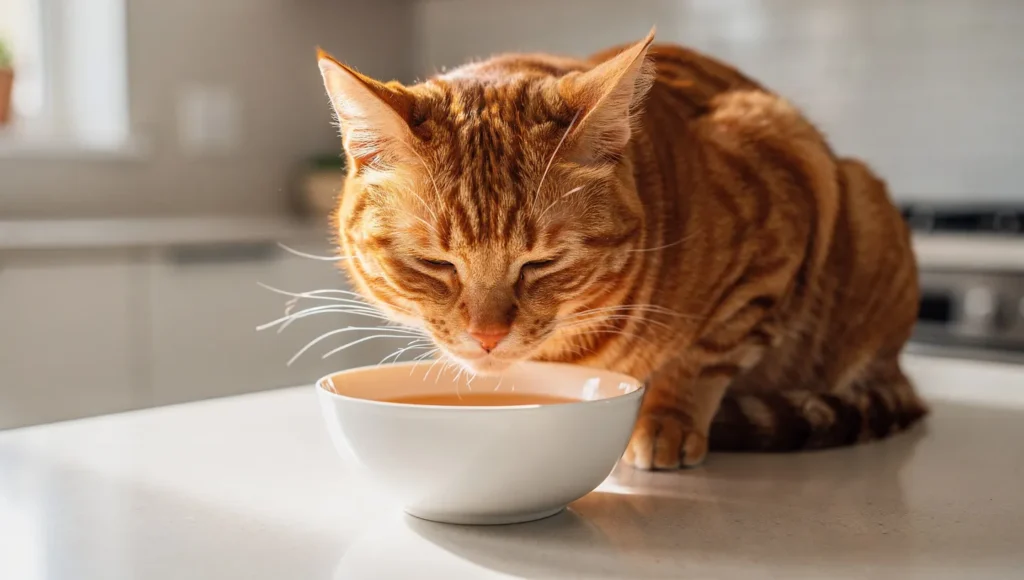
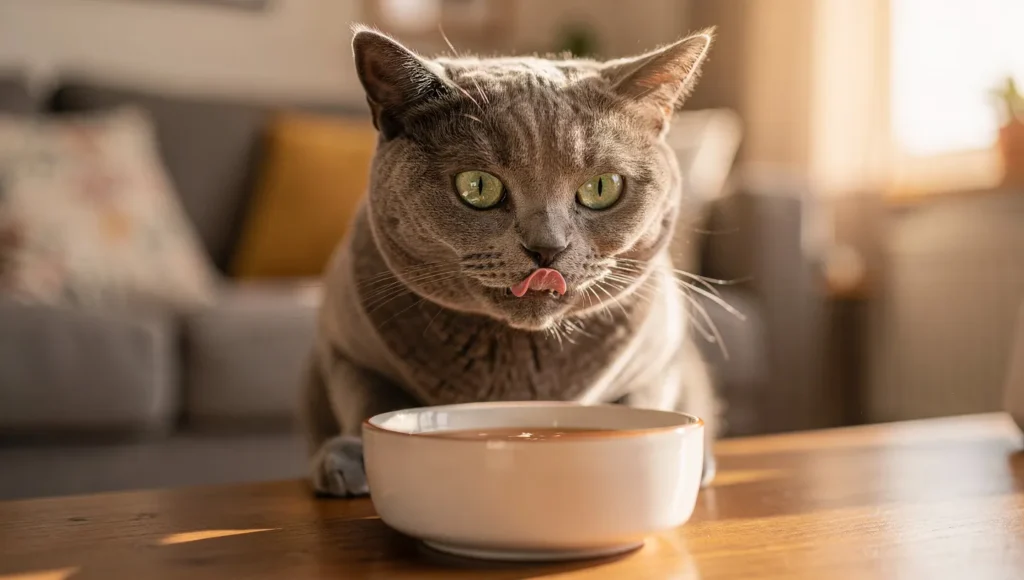
Cats are notoriously poor water drinkers because they evolved in desert climates where they got most of their moisture from prey. A bowl of bone broth mimics that instinct—it smells like food, tastes savory, and delivers water in a form they actually want to consume. I’ve seen cats who ignored their water bowls for days drink bone broth within minutes.
Other benefits include:
- Immune system support from minerals like calcium, magnesium, and phosphorus
- Appetite stimulation for sick or senior cats who’ve lost interest in food
- Digestive soothing for cats with sensitive stomachs or inflammatory bowel issues
Now, let’s talk about homemade versus store-bought. Most commercial bone broths contain onion powder, garlic, or excessive sodium—all toxic to cats. Even “low-sodium” versions often have additives you don’t want. Homemade broth gives you complete control, and it’s cheaper than you think. A batch costs around $5–$8 and lasts weeks.
⚠️ Safety First: What You Must Know Before You Start
Before you start simmering, let’s get the non-negotiables out of the way. One wrong ingredient can turn healing broth into a veterinary emergency.
🚫 Toxic Ingredients to NEVER Use
This is where most well-meaning cat owners make dangerous mistakes. Even trace amounts of these ingredients can cause oxidative damage to red blood cells, leading to anemia or worse:
Onions ❌ (in any form—fresh, powder, dried)
Garlic ❌ (yes, even “just a little” for flavor)
Salt ❌ (cats’ kidneys can’t handle excess sodium)
Cooked bones ❌ (they splinter and cause internal injuries)
Seasonings or spices ❌ (pepper, bay leaves, herbs—skip them all)
I once had a client add “just a pinch” of garlic powder because a blog said it boosts immunity. Her cat ended up at the emergency vet with hemolytic anemia. The vet bill was $1,200. The lesson? When it comes to cats, bland is beautiful.
✅ Safe Bones & Ingredients Checklist
Not all bones are created equal. Here’s what works—and what doesn’t:
| Bone Type | Safe for Cats? | Best For |
|---|---|---|
| Raw chicken bones (necks, backs, feet) | ✅ Yes | Beginners—mild flavor, affordable |
| Raw beef bones (knuckles, marrow bones) | ✅ Yes | Richer broth, picky eaters |
| Raw turkey bones (carcass, necks) | ✅ Yes | Post-holiday use, variety |
| Cooked bones (any type) | ❌ Never | Splintering risk—life-threatening |
| Pork bones | ⚠️ Use caution | Higher fat—watch for pancreatitis |
Apple cider vinegar is your secret ingredient. It’s acidic enough to pull minerals out of the bones but completely safe for cats in the small amount used (1 tablespoon per pot).
You can also add cat-safe vegetables like carrots or celery for extra nutrients, but they’re optional. Never add potatoes, tomatoes, or anything from the nightshade family.
💡 Expert Tip Box:
“In my 10+ years working with feline nutrition, I’ve seen cats refuse plain water but lap up bone broth like it’s gourmet soup. The key? Keep it simple and unseasoned. Your cat’s taste buds don’t need complexity—they need safety and flavor that mimics prey. If it smells good to them, they’ll drink it. If you’ve added garlic ‘for health,’ you’ve just poisoned the batch.”
🥘 Bone Broth for Cats Recipe #1: Classic Chicken (Beginner-Friendly)
This is my go-to recipe for first-timers. It’s affordable, forgiving, and cats love the mild flavor.
Ingredients You’ll Need:
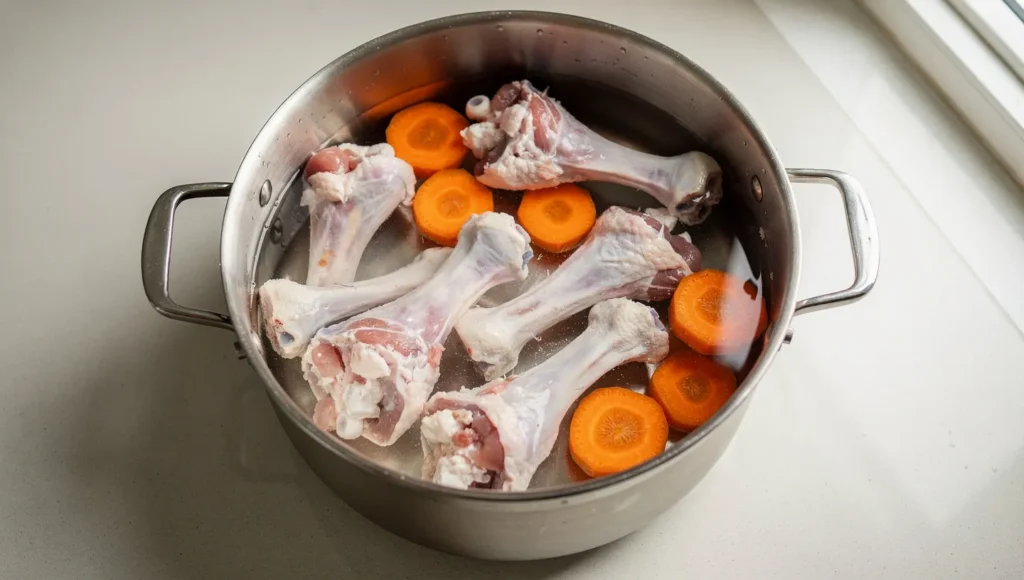
- 2–3 lbs raw chicken bones (necks, backs, or feet work best)
- 1 tablespoon apple cider vinegar
- 10–12 cups filtered water
- Optional: 1 small carrot (no seasoning)
Step-by-Step Instructions:
- Place bones in a large pot or slow cooker
- Add water and apple cider vinegar (let sit 30 minutes to start extraction)
- Bring to a boil, then reduce to low simmer for 12–24 hours
- Skim foam from the surface every few hours
- Strain through fine mesh strainer (double-check for bone fragments)
- Cool completely, then refrigerate
Cooking Time: 12–24 hours (20 hours is my sweet spot for maximum collagen)
Yield: ~8 cups
Storage: Refrigerate 5–7 days | Freeze 3–4 months
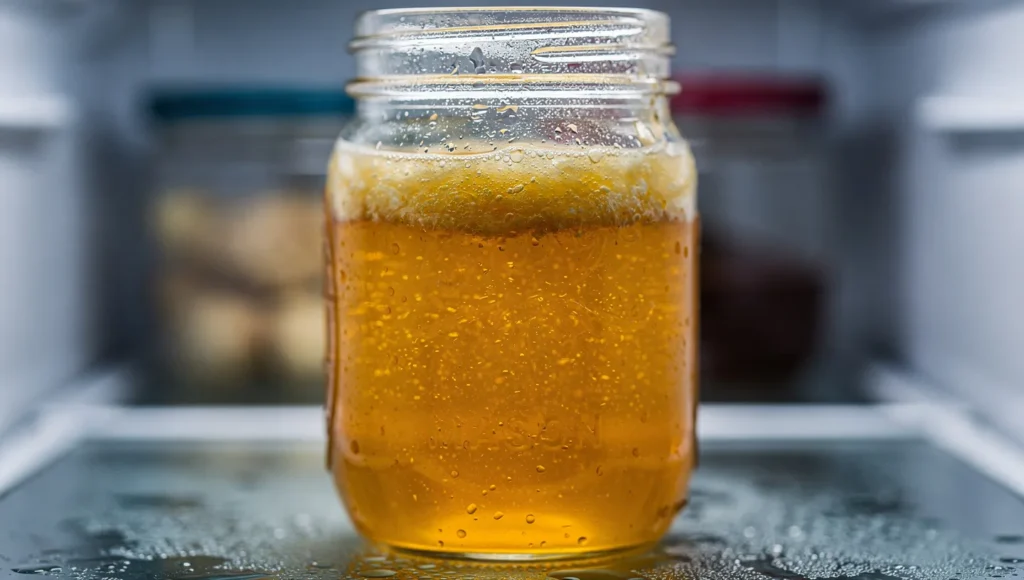
Pro Tip: The gelatinous layer that forms when chilled? That’s pure collagen. Mix it back in before serving—it’s gold for joint health.
🥩 Bone Broth for Cats Recipe #2: Beef Bone Broth (For Picky Eaters)
Beef broth has a stronger aroma that stubborn cats can’t resist. I use this for appetite stimulation in senior cats or post-surgery recovery.
Ingredients:
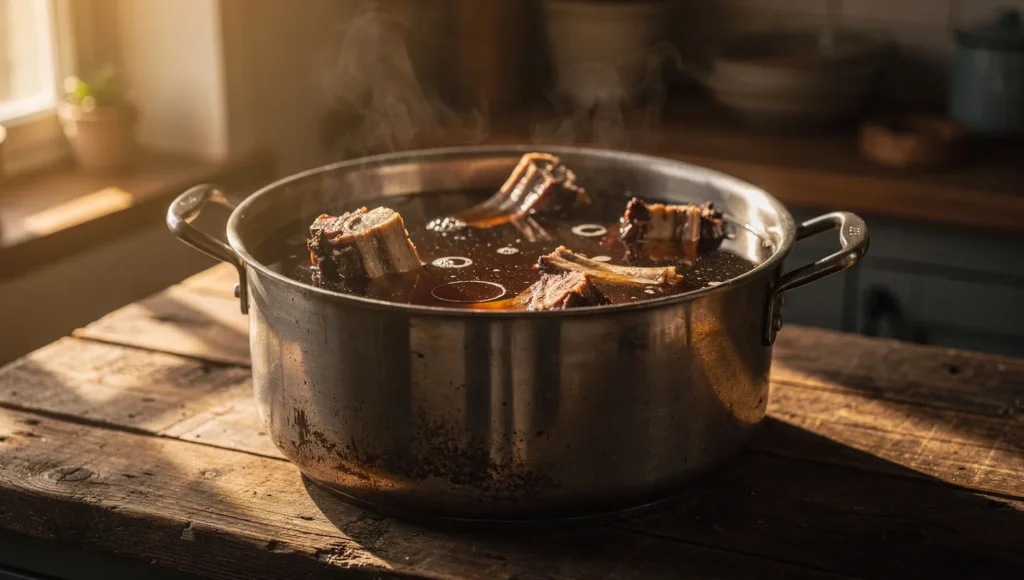
- 3–4 lbs beef marrow or knuckle bones
- 1 tablespoon apple cider vinegar
- 12 cups water
- Optional: small piece of beef liver (nutritional boost)
Quick Instructions:
- Optional: Roast bones at 400°F for 30 minutes (intensifies flavor)
- Transfer to pot with water + vinegar
- Simmer 24–48 hours (beef needs longer than chicken)
- Strain thoroughly, cool, remove excess fat layer
Why beef? The richer smell mimics prey organs, triggering hunting instincts. Perfect for cats recovering from illness who’ve lost their appetite.
Vet Note: Beef broth is higher in fat. If your cat is overweight or prone to pancreatitis, stick with chicken or skim the fat layer completely. For weight management strategies, check this expert guide.
🦴 Bone Broth for Cats Recipe #3: Turkey Bone Broth (Post-Holiday Special)
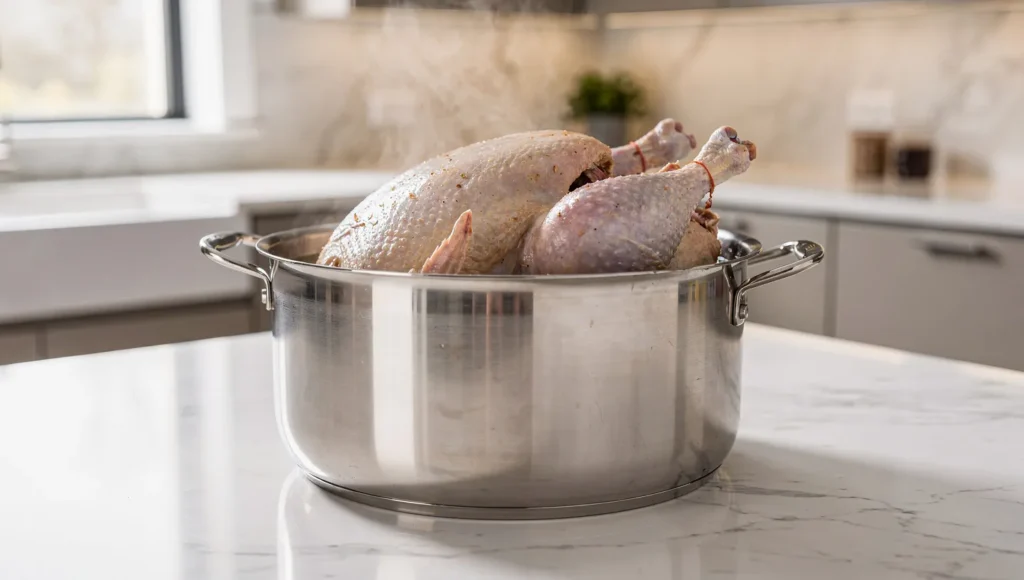
Got a leftover turkey carcass after Thanksgiving? Don’t toss it—turn it into weeks of free nutrition.
Ingredients:
- 1 whole turkey carcass (raw preferred, or cleaned roasted carcass)
- 1 tablespoon apple cider vinegar
- 12 cups water
Instructions: Same as chicken recipe. Simmer 18–24 hours, strain, cool.
Critical Warning: If using a roasted turkey carcass, rinse bones thoroughly and remove ALL seasoned skin, stuffing residue, and cooked meat. Even trace amounts of onion or garlic from stuffing can be toxic.
📊 How Much Bone Broth Can I Give My Cat? (Feeding Guide)
This is where most owners mess up. Too much = digestive upset. Too little = wasted effort.
Serving Size by Weight:
| Cat Weight | Daily Serving | Frequency |
|---|---|---|
| 5–8 lbs | 2–3 tablespoons | 2–3x per week |
| 9–12 lbs | 3–4 tablespoons | 2–3x per week |
| 13+ lbs | 4–5 tablespoons | 2–3x per week |
3 Smart Ways to Serve It:
- Straight from the bowl – Most cats prefer it chilled or room temperature
- Mixed with dry kibble – Instant moisture boost for cats on dry food
- Frozen into ice cubes – Summer enrichment treat (especially for kittens)
Warning Signs of Overfeeding: Diarrhea, vomiting, excessive thirst. If you see these, cut the portion in half.
My Rule: Start with 1 tablespoon and observe for 24 hours. Bone broth is a supplement, never a meal replacement.
🔄 Is Bone Broth Safe for Cats Every Day?
Short answer: Yes, but moderation is key.
Bone broth should be given 2–3 times per week, not daily. Here’s why: it’s a concentrated supplement, not a complete diet. Daily use can lead to:
- Nutrient imbalances (too much phosphorus relative to calcium in the main diet)
- Digestive upset in sensitive cats
- Over-reliance that reduces interest in regular food
Think of it like a multivitamin—beneficial in doses, problematic in excess.
In my experience: Cats who get bone broth 2–3x weekly show better hydration markers, shinier coats, and more interest in mealtime than those who get it daily (which often leads to pickiness).
Exception: Cats recovering from surgery or illness may benefit from daily servings for 1–2 weeks under vet supervision.
🧊 Storage & Shelf Life: Keep It Fresh, Keep It Safe
Improper storage = wasted broth or sick cat. Follow these rules.
Refrigerator Storage:
- Use glass jars with tight lids (plastic absorbs odors)
- Lasts 5–7 days maximum
- Fat layer on top acts as natural preservative—don’t remove until serving
Freezer Storage:
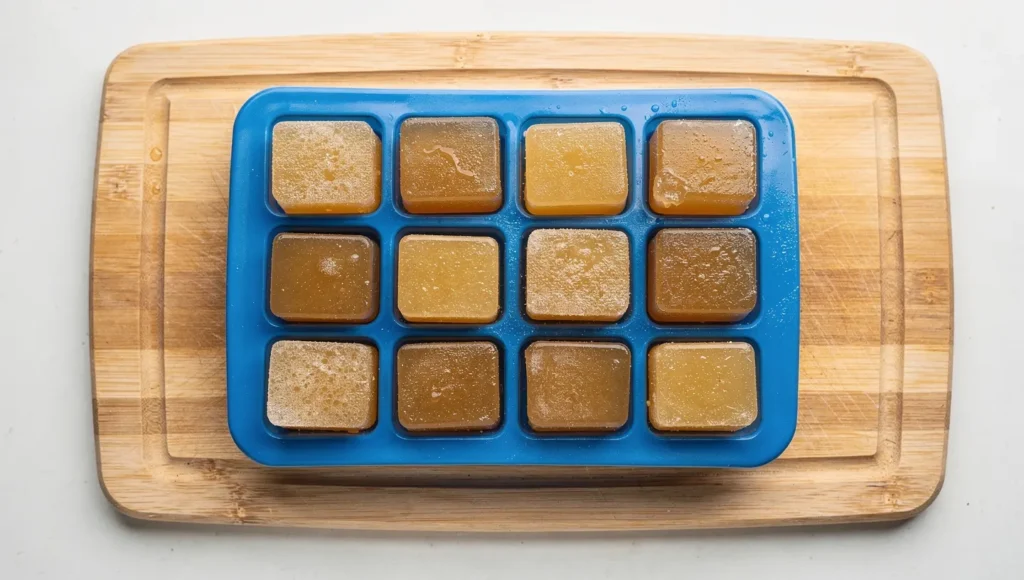
- Ice cube trays = perfect portions (1 cube ≈ 2 tablespoons)
- Freezer-safe bags (label with date)
- Lasts 3–4 months
Thawing Tips:
- Refrigerator overnight (safest method)
- Warm water bath (never microwave—destroys heat-sensitive nutrients)
Visual Check: Smell sour or see mold? Toss immediately. Never risk it.
❓ FAQs: Your Bone Broth Questions Answered
Q: How long does bone broth last for cats?
A: Refrigerator: 5–7 days. Freezer: 3–4 months. Always check for off smells before serving.
Q: Is bone broth good for cats with kidney disease?
A: Consult your vet first. Low-sodium homemade versions may support hydration, but kidney patients need specialized phosphorus-restricted diets. This isn’t a substitute for medical nutrition.
Q: Can kittens have bone broth?
A: Yes, from 8 weeks old. Start with 1 teaspoon servings. Their digestive systems are still developing, so go slow.
Q: My cat won’t drink it. What do I do?
A: Try these tricks: warm it to body temperature (98°F), drizzle over wet food, or freeze into lickable cubes. Some cats are suspicious of new textures—patience wins.
Q: What’s the gelatin layer on top?
A: That’s collagen that solidified when chilled. It’s the BEST part for joint health—mix it back in before serving. Don’t skim it off thinking it’s fat.
Q: Is store-bought bone broth safe?
A: Only if the label explicitly says “no onion, no garlic, no salt.” Most human versions contain these. Brands like ASPCA-recommended pet-specific broths exist, but homemade is always safer and cheaper.
🎯 Common Mistakes (And How to Avoid Them)
Mistake #1: Using cooked bones
Fix: Always use RAW bones. Cooked bones splinter and cause internal bleeding.
Mistake #2: Adding “just a pinch” of salt
Fix: Zero salt. Ever. Your cat’s kidneys aren’t designed for it.
Mistake #3: Not straining properly
Fix: Use fine mesh strainer + cheesecloth double layer. Even tiny bone shards are dangerous.
Mistake #4: Serving it too hot
Fix: Room temperature or chilled. Hot liquids can burn their mouths.
Mistake #5: Replacing water completely
Fix: Bone broth is a supplement, not a water replacement. Always keep fresh water available.
Your Cat’s New Favorite Wellness Ritual
You now have three tested recipes, exact serving sizes, and every safety rule you need to make bone broth a game-changer in your cat’s life. Start with the classic chicken version this weekend—it takes 20 minutes of active work and a day of hands-off simmering.
The first time you offer it, don’t be surprised if your cat gives you that slow blink that says, “Where has this been all my life?” That’s the reaction I see every time, and it never gets old.
Whether you’re boosting hydration, supporting aging joints, or tempting a picky eater, bone broth is one of the simplest, most powerful tools in preventive cat care. And unlike expensive supplements, this one costs less than your morning coffee.
Start small. Observe. Adjust. Your cat’s health is worth the effort.
For more homemade nutrition ideas, explore these tested treat recipes that complement bone broth beautifully.