
Homemade cat treats are the perfect way to reward your furry companion without worrying about the hidden preservatives and high sodium levels found in many commercial options. As a cat owner, you want the best for your pet, and controlling exactly what goes into their snacks is a game-changer for their long-term health.
After years of observing feline nutrition and seeing preventable kidney issues linked to high-sodium store-bought snacks, I always recommend shifting to natural, kitchen-made alternatives. It is not just about saving money; it is about providing life-extending nutrition through safe, whole-food ingredients.
In this guide, you will discover how to whip up delicious tuna bites and chicken crunches that are far superior to anything in a bag. Before we dive into the recipes, let’s look at why these small kitchen projects are a massive win for your cat’s well-being.
If you are wondering about other human foods that are okay to share, check out our guide on what can cats eat to ensure every ingredient in your pantry is feline-friendly.
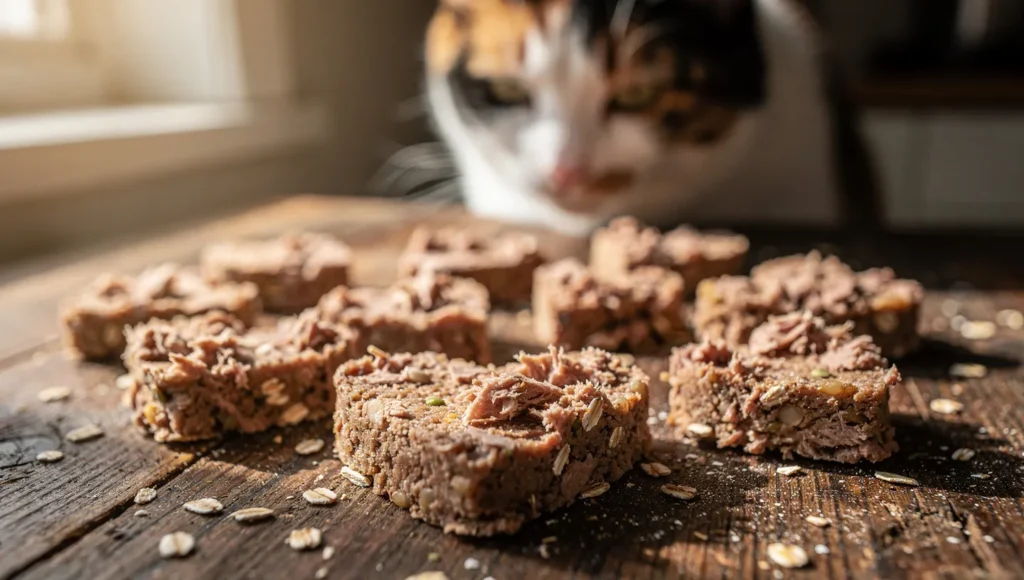
Table of Contents
- 🌟 Why Homemade Cat Treats Are Better Than Store-Bought?
- 📊 Comparison: Commercial vs. Homemade Treats
- 🛡️ Safe Ingredients for Cats: The Golden Rules for Healthy Snacks
- ✅ Green Light: Safe & Nutritious Ingredients
- ❌ Red Light: Toxic Ingredients to Never Use
- 💡 Expert Tip: The “Bland is Best” Rule
- 🐟 Tuna Snacks for Cats: The 3-Ingredient Quick Mix
- 📝 The 3-Ingredient Recipe
- 👩🍳 Step-by-Step Instructions
- 💡 Expert Tip: It’s a Treat, Not a Meal
- 🍗 Healthy Cat Treat Recipes: Delicious Chicken Bites
- 📝 Ingredients for Chicken Crunches
- 👩🍳 Preparation Steps
- 💡 Expert Tip: Texture Matters
- 🌿 Natural Ingredients for Cat Snacks: Boosters You Can Add
- ✨ Top Nutritional Boosters to Consider
- 💡 Expert Tip: The Power of Moderation
- 🥫 How to Store Homemade Cat Treats Safely
- 🌡️ Storage Methods & Duration
- 💡 Expert Tip: The “Sniff and Sight” Test
- 💡 Expert Advice: How Many Treats Are Too Many?
- ❓ Frequent Questions About Homemade Snacks
- 1. Can kittens eat homemade cat treats?
- 2. How long do homemade cat treats last?
- 3. Are homemade treats safe for senior cats?
🌟 Why Homemade Cat Treats Are Better Than Store-Bought?
When you walk down the pet food aisle, commercial cat treats look tempting with their bright packaging and “tasty” claims. However, convenience often comes at a cost. Many of these snacks are packed with fillers like corn, soy, and wheat, which provide zero nutritional value and can lead to weight gain or digestive issues.
By making your own snacks at home, you eliminate the “mystery meat” factor. You decide exactly what goes into your cat’s body. This is especially crucial for owners of sensitive felines who need a clean diet to thrive. Understanding the difference helps you make the best choice for your pet’s longevity.
📊 Comparison: Commercial vs. Homemade Treats
| Feature | Commercial Cat Treats | Homemade Cat Treats |
|---|---|---|
| Preservatives | High (BHA, BHT, Ethoxyquin) | Zero (100% Natural) |
| Ingredients | Fillers & Meat By-products | Fresh, Human-grade Proteins |
| Sodium Levels | Often High (Bad for kidneys) | Controlled & Low |
| Customization | Limited to what’s on the shelf | Fully Tailored to your cat’s taste |
| Cost | Expensive for small quantities | Budget-friendly & bulk-ready |
Choosing to prepare your own snacks is a direct extension of your commitment to feline health. If you’ve ever struggled to understand the jargon on store-bought bags, you’ll find our guide on how to read cat food labels incredibly helpful for spotting those hidden “red flag” ingredients.
Making homemade treats is not just a kitchen task; it is a bonding experience that ensures your cat stays happy, healthy, and energized without the chemical baggage.
🛡️ Safe Ingredients for Cats: The Golden Rules for Healthy Snacks
Before you preheat your oven, you must understand that a cat’s digestive system is vastly different from ours. A treat is only “healthy” if it respects their biology as obligate carnivores. Knowing the safe ingredients for cats is the foundation of becoming a DIY treat expert and ensuring your kitchen creations do more good than harm.
Focus on high-quality proteins and limited binders. Avoid using seasonings, oils, or sugars, as these can lead to obesity and inflammation.
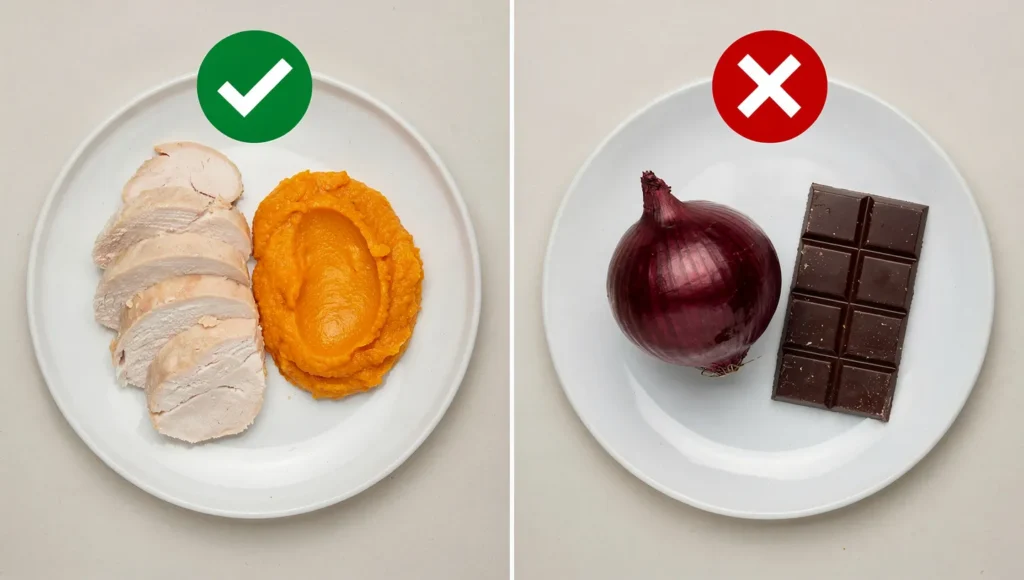
✅ Green Light: Safe & Nutritious Ingredients
- Lean Proteins: Boiled chicken breast, canned tuna (in water, no salt), and cooked salmon are excellent protein sources.
- Safe Binders: Large eggs and oat flour are great for holding treats together without causing the digestive upset often linked to wheat.
- Health Boosters: Pureed pumpkin (100% pure, not pie filling) is fantastic for digestion, while a sprinkle of dried catnip adds a layer of excitement.
❌ Red Light: Toxic Ingredients to Never Use
- Onions and Garlic: These are highly toxic and can cause life-threatening anemia in felines.
- Chocolate and Caffeine: Both contain compounds that are poisonous to cats and can lead to heart issues.
- Grapes and Raisins: Even small amounts can cause sudden kidney failure.
- Xylitol: This artificial sweetener, often found in peanut butter, is extremely dangerous.
💡 Expert Tip: The “Bland is Best” Rule
When preparing safe ingredients for cats, always remember: if you wouldn’t feed it to a baby, think twice—but even then, avoid the salt. Cats have very sensitive kidneys, so skip the salt, pepper, and butter entirely. Your cat’s palate is driven by protein scents, not seasonings!
If you’re unsure about adding a sweet touch to your recipes, refer to our guide on safe fruits for cats to see which natural treats are vet-approved. For more detailed safety information, you can always check the ASPCA’s list of toxic foods.
🐟 Tuna Snacks for Cats: The 3-Ingredient Quick Mix
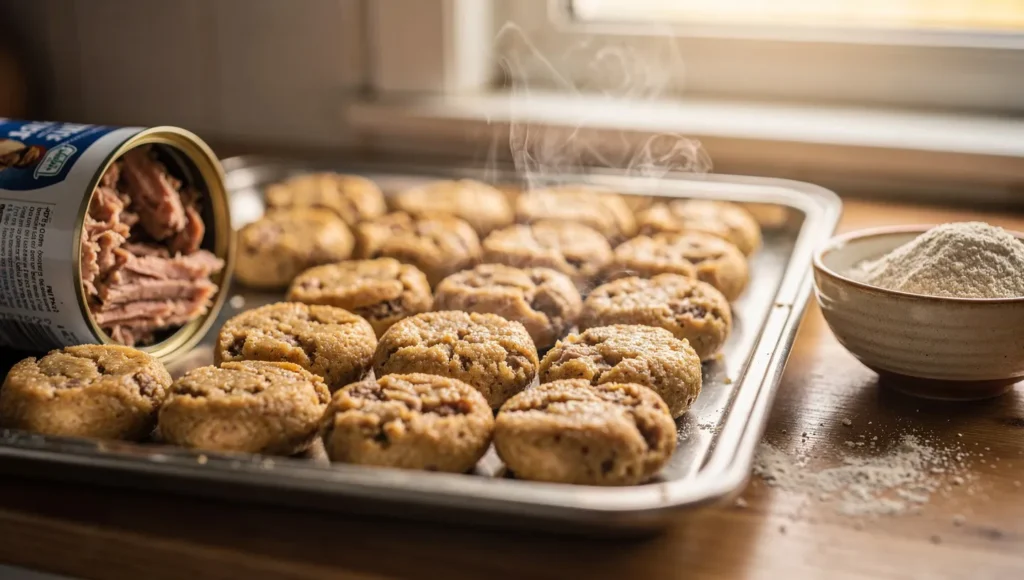
If your cat is anything like mine, the sound of a can opening is enough to trigger a high-speed sprint to the kitchen. Tuna is a high-value protein that most felines find irresistible. Making these tuna snacks for cats at home is far healthier than giving them raw canned tuna every day, which can be too high in mercury and sodium.
This recipe is incredibly simple, requiring only three staple pantry items. It creates a crunchy texture that helps with plaque control while providing a massive protein boost.
📝 The 3-Ingredient Recipe
- 1 Can of Tuna: Must be in water, with no added salt (drain the water thoroughly).
- 1 Large Egg: Acts as a natural binder and adds healthy fats for a shiny coat.
- 1 Cup of Oat Flour: A safe, gluten-free alternative to traditional wheat flour.
👩🍳 Step-by-Step Instructions
- Prep the Mix: Preheat your oven to 350°F (180°C). In a medium bowl, mash the tuna with a fork until fine, then mix in the egg and oat flour until a dough forms.
- Shape the Treats: Roll the dough into tiny, pea-sized balls or flatten it and use a small cookie cutter to create fun shapes.
- Bake to Perfection: Place the treats on a parchment-lined baking sheet and bake for 12–15 minutes until they are firm and slightly golden.
💡 Expert Tip: It’s a Treat, Not a Meal
While these tuna snacks for cats are packed with nutrients, they should never replace a balanced diet. Tuna is rich but lacks essential taurine levels found in complete cat food. Limit these to 2–3 pieces a day to keep your cat’s weight in check.
If your cat seems to have a sensitive stomach after trying new snacks, you might want to read our expert breakdown on why cats throw up after eating to differentiate between a simple food sensitivity and more serious issues.
🍗 Healthy Cat Treat Recipes: Delicious Chicken Bites
Chicken is the gold standard for feline protein—it’s lean, easy to digest, and packed with essential amino acids. While searching for healthy cat treat recipes, you’ll find that chicken-based snacks are often the most successful because they mimic a cat’s natural prey diet.
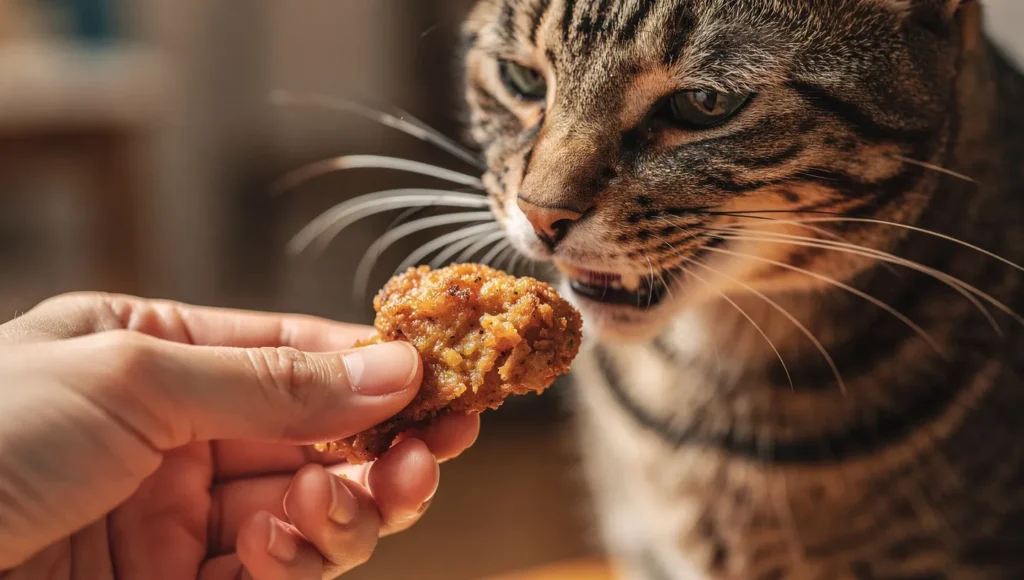
One of the best ways to make chicken bites for cats is by using leftover boiled chicken breast (make sure it was cooked without onions or salt). This not only saves money but ensures your cat is getting high-quality, human-grade meat without any mysterious additives.
📝 Ingredients for Chicken Crunches
- 1 Cup of Finely Shredded Chicken: Boiled and thoroughly cooled.
- 1/2 Cup of Oat Flour (or Brown Rice Flour): For a smooth dough consistency.
- 1/4 Cup of Unsalted Chicken Broth: To add moisture and extra flavor (ensure it is onion/garlic free).
- 1 Egg: To bind the ingredients perfectly.
👩🍳 Preparation Steps
- Blend it Up: Pulse the shredded chicken in a food processor until it reaches a “meal” consistency.
- Mix the Dough: In a bowl, combine the chicken, flour, egg, and broth. Stir until you have a firm, non-sticky dough.
- Customize the Texture: * For Crunchy Bites: Roll the dough thin and bake at 350°F (180°C) for 20 minutes.
- For Soft Bites (Senior Cats): Keep the pieces a bit thicker and bake for only 10–12 minutes.
💡 Expert Tip: Texture Matters
If you have an older cat with dental issues, these chicken bites for cats are a lifesaver. By adding an extra tablespoon of broth and reducing the baking time, you create a soft-baked snack that is easy on their teeth while still being incredibly delicious.
Since chicken is a lean protein, these treats are a fantastic option if you are following a cat weight loss plan. They allow you to reward your cat during playtime without the heavy caloric load of carb-heavy commercial biscuits.
🌿 Natural Ingredients for Cat Snacks: Boosters You Can Add
To truly elevate your homemade treats, you can incorporate specific “boosters” that offer more than just flavor. Using natural ingredients for cat snacks allows you to address common feline health needs, such as digestive support or coat shine, in a way that commercial products often fail to do.
Think of these additions as a health insurance policy in a bite-sized form. By adding small amounts of these superfoods, you transform a simple snack into a functional treat that supports your cat’s biology.
✨ Top Nutritional Boosters to Consider
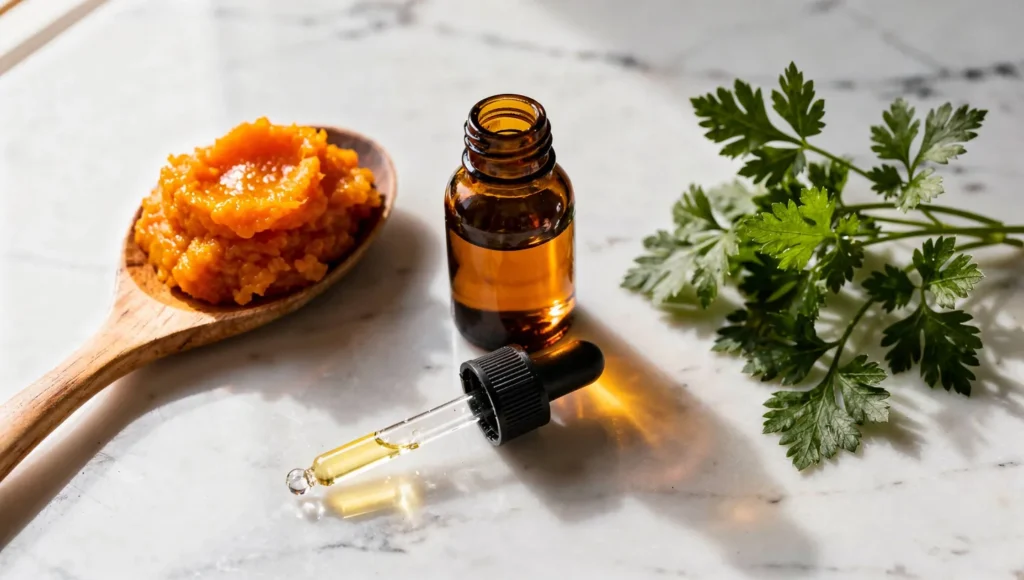
- Pureed Pumpkin: A spoonful of 100% pure pumpkin (never the spiced pie filling!) is a fiber powerhouse. It helps regulate digestion and is a secret weapon for cats prone to hairballs or constipation.
- Salmon Oil: Rich in Omega-3 fatty acids, adding a few drops to your dough will promote a silky, shiny coat and support joint health, especially in senior cats.
- Dried Catnip: Beyond the “high” it gives some cats, organic catnip is a safe herb that can make a treat much more enticing for picky eaters.
- Fresh Parsley: A tiny amount of finely chopped parsley can act as a natural breath freshener, helping combat minor cases of feline halitosis.
💡 Expert Tip: The Power of Moderation
When experimenting with natural ingredients for cat snacks, start small. A cat’s digestive tract is highly sensitive to sudden changes. Introduce only one booster at a time and observe your cat for 24 hours to ensure they tolerate the new ingredient well without any stomach upset.
If you are particularly interested in using natural boosters to improve your cat’s dental hygiene, our guide on cat dental care provides deeper insights into maintaining a healthy mouth beyond just feeding crunchy treats.
🥫 How to Store Homemade Cat Treats Safely
Because your kitchen creations lack the artificial preservatives found in store-bought bags, they have a shorter shelf life. Learning how to store homemade cat treats correctly is vital to keep them crunchy, fresh, and—most importantly—safe for your feline to consume. Moisture is the enemy here; if treats are not stored properly, they can develop mold quickly, which can lead to severe digestive upset.
Always allow your treats to cool completely on a wire rack before putting them away. Placing warm treats in a container creates condensation, which is a breeding ground for bacteria.
🌡️ Storage Methods & Duration
- Countertop (Not Recommended): Unless they are extremely dry (like crackers), do not leave them at room temperature for more than a few hours.
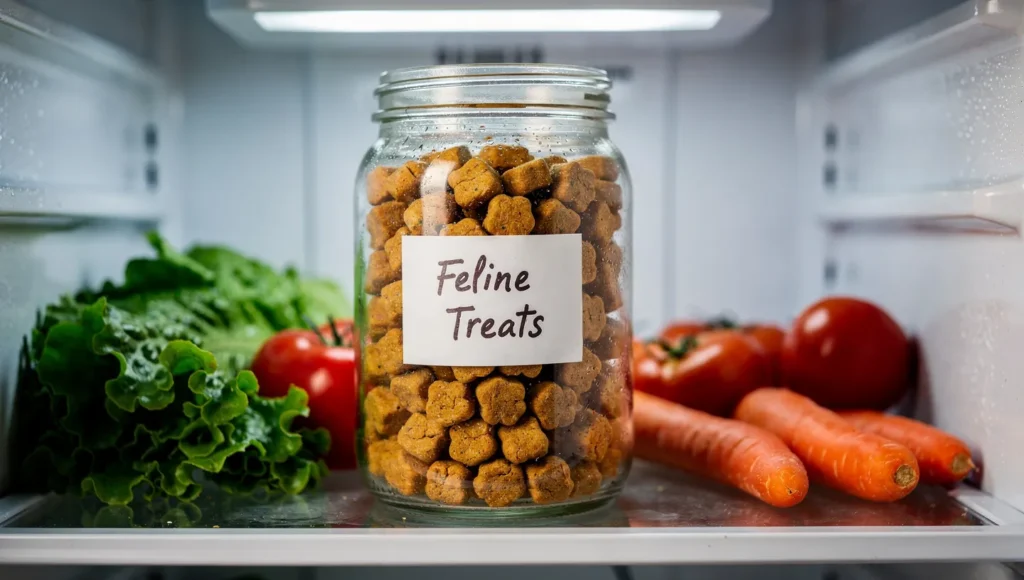
- Refrigeration (The Gold Standard): Store your treats in airtight glass containers in the fridge. They will typically stay fresh and safe for 7 to 10 days.
- Freezing (For Bulk Prep): If you made a large batch, the freezer is your best friend. Place them in a freezer-safe bag with the air squeezed out. They can last for up to 3 months. Just thaw a few pieces in the fridge overnight before serving.
💡 Expert Tip: The “Sniff and Sight” Test
Before giving your cat any snack, even if it’s been in the fridge, do a quick check. If you notice any soft spots where there should be crunch, a sour smell, or any fuzzy white/green patches (mold), toss the entire batch immediately. It is always better to be safe than sorry when it comes to feline food safety.
If your cat accidentally consumes something spoiled or shows signs of lethargy, it is crucial to know how to tell if your cat is sick by checking our guide on critical illness signs to act fast and protect your pet.
💡 Expert Advice: How Many Treats Are Too Many?
Even the healthiest homemade cat treats contain calories that add up quickly. As a general rule of thumb followed by feline nutritionists, treats should never exceed 10% of your cat’s total daily caloric intake. The remaining 90% must come from high-quality, nutritionally complete cat food to ensure they get essential nutrients like taurine and arachidonic acid.
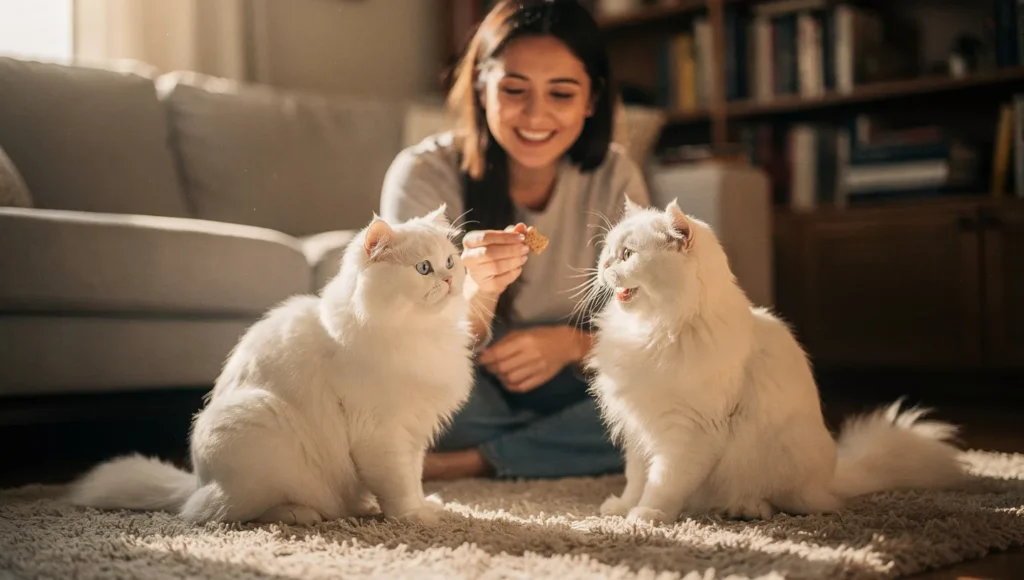
Using these snacks for positive reinforcement is the best strategy. Instead of giving them away for free, use them to reward your cat after a grooming session or during interactive play. This builds a stronger bond and keeps your cat mentally stimulated.
❓ Frequent Questions About Homemade Snacks
1. Can kittens eat homemade cat treats?
Yes, but with caution. Kittens have very sensitive developing digestive systems. You can introduce tiny, pea-sized amounts of chicken-based treats once they are fully weaned (around 8 weeks old). Avoid tuna-heavy snacks for very young kittens and always monitor for any signs of upset stomach.
2. How long do homemade cat treats last?
Since they contain no artificial preservatives, homemade cat treats typically last 7 to 10 days in an airtight container inside the refrigerator. If you freeze them, they can remain safe and tasty for up to 3 months. Always perform a “sniff test” before serving.
3. Are homemade treats safe for senior cats?
Absolutely! In fact, they are often better for seniors than store-bought kibble treats. For older cats with dental issues, you can adjust the recipes to be softer. Using safe ingredients for cats like salmon oil in your homemade recipes can also provide much-needed joint support for aging felines.