
Sphynx cat care starts the moment you feel their warm, suede-like skin against your palm for the first time. Unlike their furry cousins, these “velvet felines” don’t just look different—they live differently. Owning a Sphynx is a deeply rewarding experience, but it comes with a unique set of responsibilities that go far beyond what a typical cat owner might expect.
Whether you are a new parent to a “naked” kitten or considering bringing one home, understanding the nuances of their metabolism, skin health, and social needs is crucial. These cats are high-energy, highly affectionate, and require a dedicated routine to stay comfortable and thriving in a domestic environment.
Expert Tip: Because Sphynx cats lack a fur coat to absorb skin oils, they require a “hands-on” grooming approach. Think of them more like a toddler who needs regular skin care rather than a self-cleaning pet!
In this comprehensive guide, we will break down everything you need to know about Sphynx cat care, from the famous bathing routines to the specialized diet that keeps their internal furnace burning. If you’ve ever wondered why your cat feels like a warm peach or how to prevent those pesky skin breakouts, you’re in the right place.
Before diving into the oily details of skin maintenance, it is vital to recognize when your feline friend is feeling under the weather. You can check our guide on how to tell if your cat is sick to monitor their baseline health effectively.
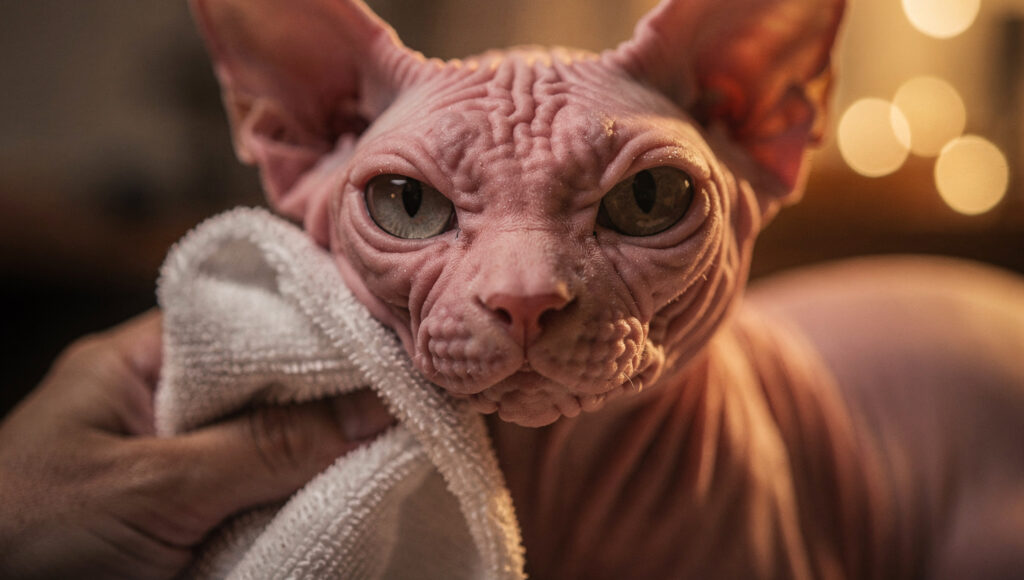
Table of Contents
- 🧼 Sphynx Cat Care: Mastering Skin Maintenance
- The Science: Why Their Skin is Different
- Essential Tips for Daily Skin Health
- 🛀 The Ultimate Sphynx Bathing Routine
- Step-by-Step Guide to a Perfect Sphynx Bath
- Post-Bath Care: Drying is Key
- 🍗 Sphynx Cat Diet: Fueling a High Metabolism
- The Power of Protein and Hydration
- Managing the “Sphynx Belly”
- 🏠 Indoor Safety and Temperature Control
- Maintaining the Ideal Environment
- Indoor Safety: Skin-Safe Surfaces
- 👂 Ear and Nail Cleaning: The Forgotten Essentials
- How to Clean Sphynx Ears Safely
- Maintaining Clean Paws and Nails
- 🩺 Common Health Concerns in Sphynx Cats
- Heart Health: Understanding HCM
- Skin and Digestive Sensitivities
- ❓ FAQ: Common Sphynx Cat Care Questions
- Are Sphynx cats truly hypoallergenic?
- Are Sphynx cats high maintenance?
- Do Sphynx cats need to wear clothes all the time?
- How often should I clean my Sphynx’s ears?
🧼 Sphynx Cat Care: Mastering Skin Maintenance
The first thing you notice about a Sphynx is their skin, which feels like a warm, sun-ripened peach. However, from a Sphynx cat care perspective, that skin is a high-performance organ that produces a significant amount of sebum (oil). While furry cats have hair to wick these oils away, a Sphynx’s oil stays right on the surface.
If neglected, this oil can stain your furniture, cause skin breakouts, and lead to a distinct “yeasty” smell. Mastering skin maintenance isn’t just about aesthetics; it’s about preventing painful infections and keeping your feline comfortable in their own skin.
The Science: Why Their Skin is Different
To provide the best Sphynx cat care, you need to understand what you are working with. Below is a quick comparison to help you visualize why your hairless friend needs a specialized routine.
| Feature | Normal Furry Cat | Sphynx Cat |
|---|---|---|
| Oil (Sebum) Distribution | Absorbed by the fur coat. | Sits on the skin surface. |
| Insulation | High (Protected from UV/Cold). | Zero (Sensitive to sun/drafts). |
| Cleaning Frequency | Self-grooming is sufficient. | Needs human intervention weekly. |
| Acne Risk | Very Low. | High (especially chin/tail). |
Essential Tips for Daily Skin Health
- The “Daily Wipe” Rule: Use a warm, damp, fragrance-free baby wipe or a soft microfiber cloth to gently wipe down their skin every evening. Focus on the neck, armpits, and groin areas.
- Managing Feline Acne: Just like teenagers, Sphynx cats are prone to blackheads. Pay close attention to the chin and the base of the tail. Using stainless steel or ceramic bowls instead of plastic can significantly reduce chin acne.
- Sun Protection: Their skin is highly susceptible to sunburn. If your cat loves “sun-puddles” by the window, ensure you have UV-filtering films or limit their exposure during peak hours.
Expert Tip: Never use human acne creams or harsh soaps on your Sphynx. Their pH balance is entirely different from ours. If you notice red, inflamed bumps or a sticky brown discharge, it’s time to consult your vet about a possible yeast infection.
Proper skin maintenance is the foundation of long-term health. Since the skin produces so much oil, this also affects their ears and paws. You can learn more about managing these areas in our specialized guide on cleaning cat ears safely at home.
🛀 The Ultimate Sphynx Bathing Routine
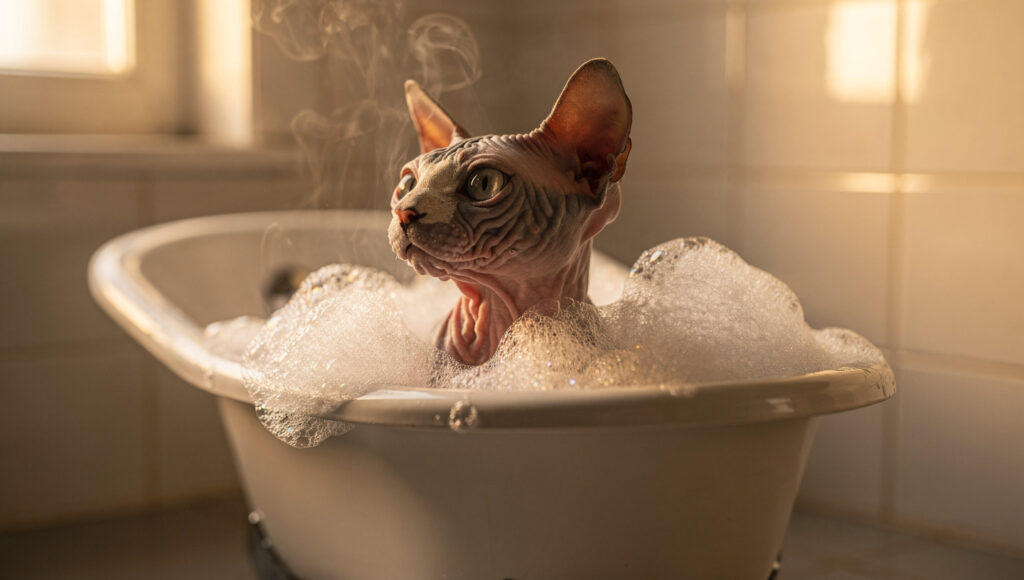
For most cat breeds, a bath is a traumatic event to be avoided. However, in the world of Sphynx cat care, the weekly bathing routine is a non-negotiable necessity. Without it, the natural oils on their skin turn into a sticky, brown residue that can lead to skin infections and unpleasant odors on your clothes and bedding.
The secret to a stress-free bath is preparation and temperature control. Because they have no fur to trap body heat, Sphynx cats feel the cold instantly. Your goal is to make the bath feel like a warm, relaxing spa day rather than a cold shock.
Step-by-Step Guide to a Perfect Sphynx Bath
- Prepare the Environment: Run the water before bringing your cat into the bathroom. The sound of running water can be scary. Ensure the room is warm and free of drafts.
- Check the Temperature: The water should be lukewarm—around 100°F (38°C). A good rule of thumb: if it feels comfortably warm on your inner wrist, it’s perfect for them.
- Use the Right Shampoo: Only use a soap-free, pH-balanced feline shampoo. Some owners use organic baby shampoo, but a dedicated cat formula is always safer for long-term Sphynx cat care.
- The “Toes and Tail” Focus: Pay special attention to the “nail beds” and between the toes. This is where grease accumulates most heavily, often turning into a black, waxy substance.
- Rinse Thoroughly: Leftover soap residue is the leading cause of skin irritation in hairless breeds. Use a cup to pour water gently over their back, avoiding the eyes and ears.
Quick Summary: Keep the bath short (5–10 minutes). Always have a large, warmed towel ready to wrap them in immediately after lifting them out of the water to prevent shivering.
Post-Bath Care: Drying is Key
Once the bath is over, pat your Sphynx dry with a soft microfiber towel. Do not rub harshly, as their skin is sensitive. Ensure they are 100% dry before letting them roam, as even a slightly damp Sphynx can catch a chill quickly.
If your cat is particularly resistant to water, you might find our general guide on how to bathe a cat helpful for extra calming techniques. Remember, consistency is your best friend; the more regular the bathing routine, the more your cat will tolerate it.
🍗 Sphynx Cat Diet: Fueling a High Metabolism
If you feel like your hairless companion is always begging for a snack, you aren’t imagining it. A huge part of Sphynx cat care involves managing their unique internal furnace. Because they lack a fur coat to trap body heat, their bodies must work overtime to maintain a stable internal temperature. This means a Sphynx cat diet requires significantly more calories than that of a typical domestic cat.
Feeding a Sphynx isn’t just about quantity; it’s about high-quality fuel. They burn energy rapidly, and if their nutritional needs aren’t met, they can struggle to stay warm, lose muscle mass, or develop oily skin issues due to poor nutrient absorption.
Quick Summary: A Sphynx cat diet requires higher calories than most breeds to support thermoregulation. Aim for high-protein, moderate-fat meals, and avoid “filler” ingredients like corn or soy that offer empty calories.
The Power of Protein and Hydration
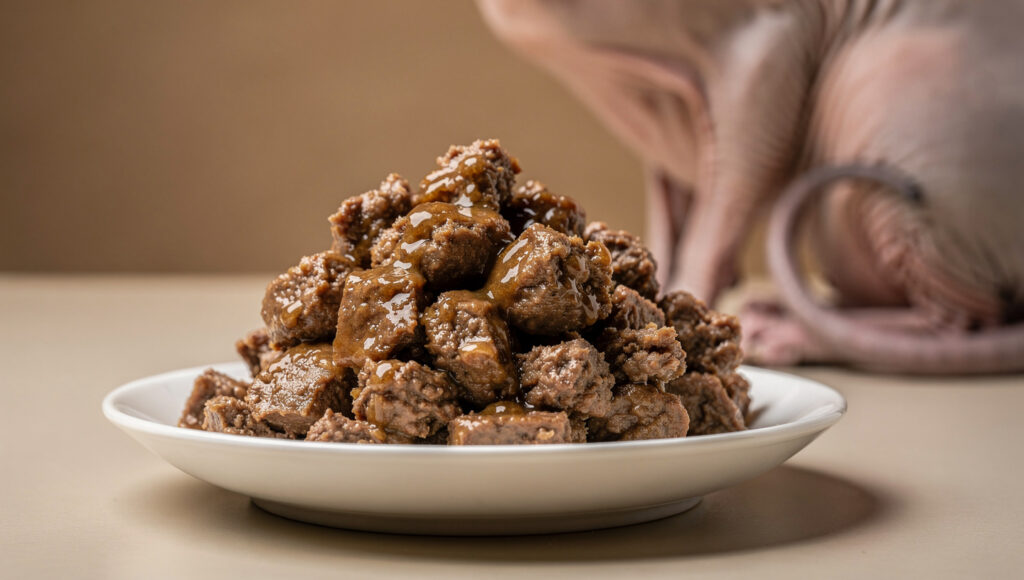
To keep their skin healthy and their muscles lean, protein should be the first ingredient in any food you choose. Many experts recommend a blend of wet and dry food to balance dental health with necessary hydration. Since Sphynx cats are prone to dehydration, wet food is often the preferred base for their daily meals.
- High Caloric Density: Look for foods labeled “active” or “high energy” to ensure they are getting enough calories in smaller portions.
- Constant Water Access: Because they eat more, they also process waste faster. Fresh, filtered water should always be available to support kidney health.
- Controlled Treats: While they need calories, avoid processed human foods. Instead, opt for safe fruits for cats or freeze-dried meats as healthy rewards.
Managing the “Sphynx Belly”
While they need more food, it is a common mistake to let them become overweight. A healthy Sphynx should have a visible waistline but feel solid and muscular. If you notice your cat is gaining too much weight around the midsection, check our guide on wet vs dry cat food to find a more balanced, moisture-rich option that provides satiety without excess fat.
Consistency in their Sphynx cat diet will not only improve their energy levels but also make their skin easier to clean. High-quality food leads to less oily buildup, making your weekly bathing routine much simpler for both of you.
🏠 Indoor Safety and Temperature Control
Because they lack a natural fur coat, your home’s environment plays a massive role in Sphynx cat care. These cats are sensitive to temperature shifts that a furry cat wouldn’t even notice. If you are feeling a slight draft or reaching for a sweater, your Sphynx is likely already shivering. Creating a “thermal-safe” zone is essential for their comfort and immune health.
However, safety isn’t just about warmth. Their naked skin is also vulnerable to the sun’s rays, even while they are lounging indoors. Proper Sphynx cat care requires a balance between keeping them warm and protecting them from environmental hazards like UV burns or household heaters.
Maintaining the Ideal Environment
- The “Sunbathing” Risk: Sphynx cats love windows, but glass doesn’t filter all UV rays. Prolonged exposure can cause painful sunburns or long-term skin damage. Use UV-blocking window films or ensure they have a shady spot to retreat to.
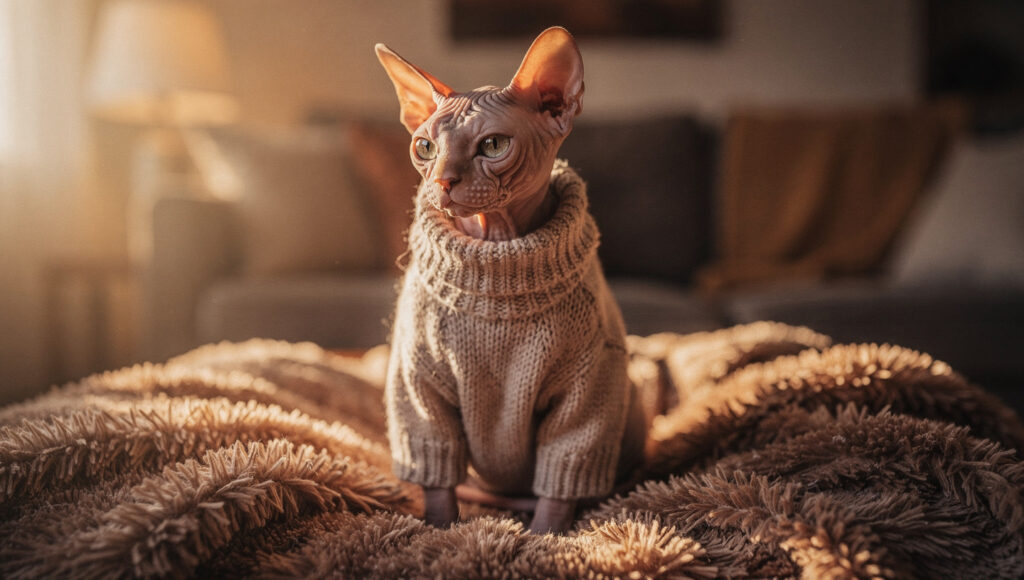
- Choosing the Right Clothing: Sweaters are a staple in Sphynx cat care during winter. Opt for natural, breathable fabrics like cotton or soft fleece. Avoid itchy wool or synthetic materials that can trap bacteria against their oily skin.
- Draft-Free Sleeping Zones: Place their beds away from air conditioning vents or drafty doors. A heated pet bed (specifically designed for cats with low-voltage safety) can be a lifesaver during colder months.
Expert Tip: Be cautious with space heaters or radiators. Because Sphynx cats have a high heat drive, they may sit too close to a heat source and suffer “silent burns” before they even realize they are too hot. Always keep a safe barrier between your cat and any heating appliance.
Indoor Safety: Skin-Safe Surfaces
Since their skin is always in direct contact with their surroundings, ensure your cleaning products are pet-safe. Harsh chemicals on your floors or furniture can cause contact dermatitis. For more tips on keeping your home environment safe and clean for your pets, check out our guide on choosing the best cat litter for a healthier home.
By controlling the temperature and sun exposure, you prevent stress on their metabolism. A warm cat is a happy cat, and a happy cat is much easier to manage during their weekly hygiene routines.
👂 Ear and Nail Cleaning: The Forgotten Essentials
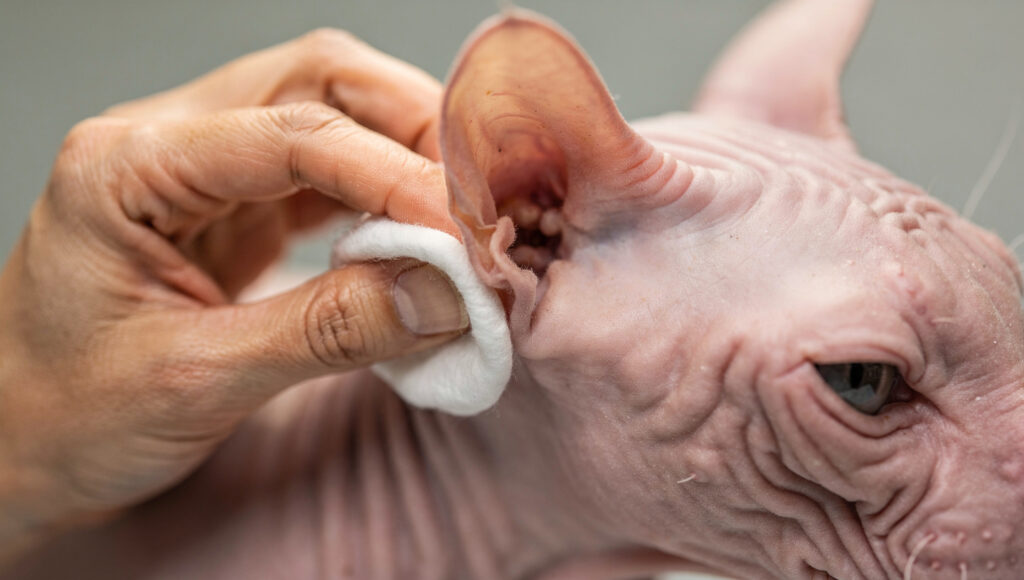
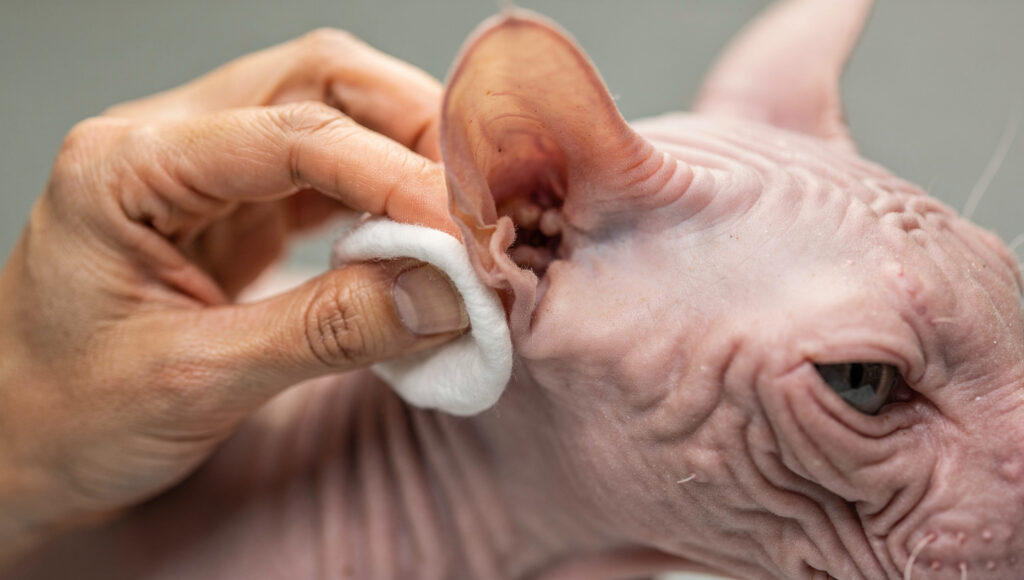
If you think the skin requires work, wait until you check the ears. A major part of Sphynx cat care involves managing the heavy, dark earwax these cats produce. Because they lack ear hair to filter out dust and debris, their ears create a thick, waxy barrier for protection. If left alone, this can lead to uncomfortable wax plugs or infections.
Similarly, their paws are “oil magnets.” Without fur to separate the skin from the claws, a thick black gunk often accumulates in the nail beds. This doesn’t just look messy; it can lead to nail bed infections and leave oily marks on your furniture.
How to Clean Sphynx Ears Safely
- Use a Specialized Cleaner: Never use water or peroxide. Use a vet-recommended ear cleaning solution to break down the heavy oils.
- Be Gentle with Swabs: Only clean the visible parts of the ear. Never insert a Q-tip deep into the ear canal, as this can cause permanent damage.
- Consistency is Key: Aim for a deep clean once a week, ideally right after their bathing routine when the oils are already softened by the warmth.
Expert Tip: Don’t panic if the wax is dark brown or black—this is normal for the breed! However, if you notice a foul smell, redness, or if your cat is constantly shaking their head, it could be a sign of ear mites or an infection.
Maintaining Clean Paws and Nails
Cleaning the nails is just as important as the skin. During your Sphynx cat care session, take a damp cloth and gently wipe the “pocket” of skin where the nail retracts. This prevents the buildup of the infamous “black gunk” that Sphynx owners know all too well.
For a complete guide on how to handle the clipping part of this process without the stress, see our expert steps on how to trim cat nails safely. Keeping the nails clean and trimmed will protect both your skin and your cat’s health.
Managing these “hidden” areas ensures your Sphynx feels clean from head to toe. For more detail on identifying ear issues, you can also refer to our guide on cleaning cat ears to distinguish between normal wax and ear mites.
🩺 Common Health Concerns in Sphynx Cats
While these cats are known for their playful and robust personalities, Sphynx cat care involves being aware of a few breed-specific health predispositions. Being “naked” is just the surface; their internal health requires a bit of proactive monitoring to ensure they live a long, happy life alongside you.
Most Sphynx cats live well into their teens, but because of their limited gene pool and unique physiology, there are two main areas where you should focus your attention: the heart and the skin. Early detection is the cornerstone of effective feline health management.
Heart Health: Understanding HCM
Hypertrophic Cardiomyopathy (HCM) is the most common heart disease in all cats, but it is seen more frequently in the Sphynx breed. It causes the heart muscle to thicken over time. While it sounds scary, many cats live for years with HCM if managed correctly, as detailed by the Cornell Feline Health Center.
- Annual Screening: The gold standard in Sphynx cat care is an annual echocardiogram (heart ultrasound) performed by a veterinary cardiologist.
- Genetic Testing: If you are getting a kitten from a breeder, always ask for the HCM scan results of the parents.
Skin and Digestive Sensitivities
Beyond the oily skin issues we discussed earlier, Sphynx cats can be prone to skin infections if their immune system is stressed. Additionally, they often have “sensitive stomachs.” A sudden change in their Sphynx cat diet can lead to digestive upset faster than in other breeds.
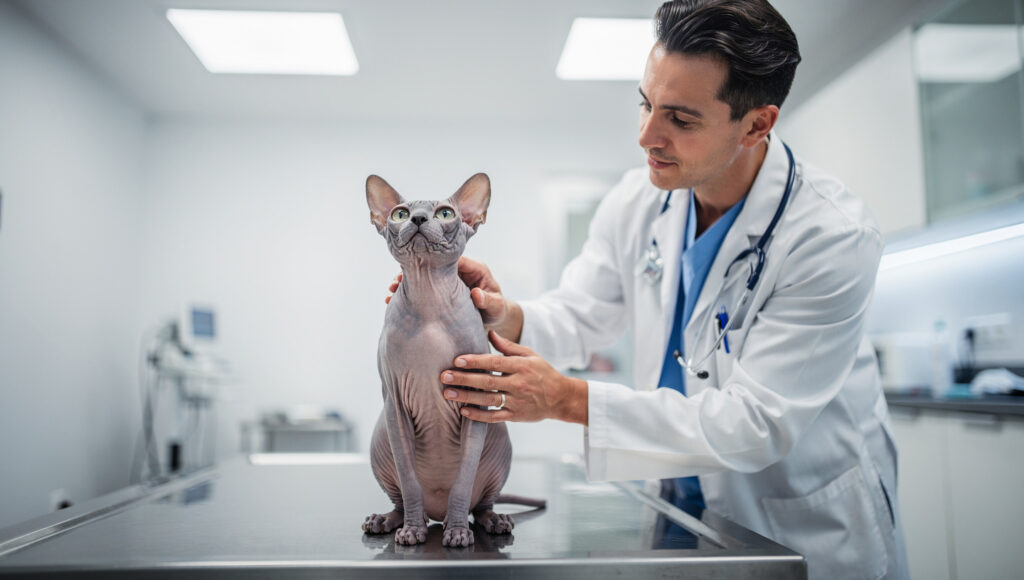
Expert Tip: When to Visit the Vet
Don’t wait for a scheduled check-up if you notice any of the following “red flags”:
- Lethargy or unusual hiding behavior.
- Difficulty breathing or panting after minor exercise.
- Persistent skin redness, inflammation, or a strange odor.
- Chronic diarrhea or vomiting (more than once in 24 hours).
Staying ahead of these issues is the best way to enjoy your companion’s company for years to come. If you’re unsure about your cat’s behavior, our guide on how to tell if your cat is sick provides a deeper dive into the subtle signs that something might be wrong.
❓ FAQ: Common Sphynx Cat Care Questions
To wrap up our ultimate guide on Sphynx cat care, we have compiled the most frequent questions from our community. If you are still on the fence about bringing a “naked” feline into your home, these answers should provide the clarity you need.
Are Sphynx cats truly hypoallergenic?
No cat is 100% hypoallergenic. Most people are allergic to the Fel d 1 protein found in feline saliva and skin oils. Since Sphynx cats still produce these oils and lick themselves, they can still trigger allergies. However, because they don’t shed dander-filled fur around the house, some allergy sufferers find them much easier to live with.
Are Sphynx cats high maintenance?
For more official breed standards and maintenance facts, you can visit The International Cat Association (TICA).
Yes. Compared to a standard domestic shorthair, Sphynx cat care is considered high maintenance. You must be prepared for weekly baths, frequent ear cleanings, and monitoring their caloric intake and body temperature daily. They are more like a “part-time job” than a “set-and-forget” pet.
Do Sphynx cats need to wear clothes all the time?
Not necessarily. While they need sweaters in the winter or in air-conditioned homes, they should also have “naked time” to allow their skin to breathe and to prevent oil buildup in the fabric. If your cat is shivering or seeking out heat sources, it’s time for a cozy layer.
How often should I clean my Sphynx’s ears?
Most Sphynx cats require a deep ear cleaning once a week. Because they lack ear hair to filter out dust, the combination of debris and heavy skin oils creates a thick, dark wax very quickly. If you skip more than ten days, you may notice a significant and messy buildup.
Final Expert Thought: The Sphynx is a cat for the dedicated owner. They will pay you back for every bath and ear cleaning with a level of affection and “velcro-like” companionship that few other breeds can match.
Ready to start your journey? Whether it’s choosing the right food or mastering the bathing routine, consistency is your greatest tool. For more advice on creating a stress-free environment, explore our guide on introducing new cats to your household.