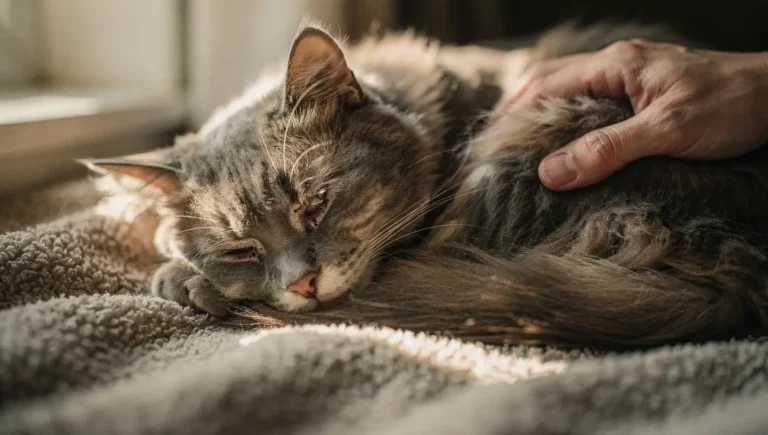
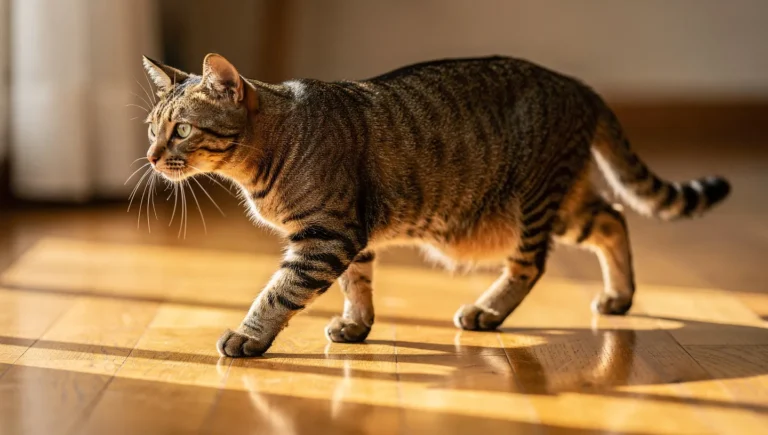
Cat dander is the silent companion every cat owner knows all too well, especially if you find yourself reaching for a tissue every time your feline friend jumps onto your lap. It is incredibly frustrating to feel like your own home is triggering your allergies, but you are certainly not alone in this struggle.
Loving a cat shouldn’t mean living in a state of constant congestion. Many owners mistakenly blame cat hair for their watery eyes, but the real culprit is much smaller and more persistent than what you see on your clothes.
Understanding that your reaction is actually to microscopic proteins—and not just the fur—is the first step toward a clearer nose and a happier cat. In this guide, we will explore how you can manage allergens effectively so you can focus on the joy of feline companionship.
Managing allergies isn’t about getting rid of the cat; it’s about controlling the environment. By tackling cat dander at its source, you can significantly reduce symptoms and improve your quality of life.
🧬 What Exactly is Cat dander?
Many people believe they are allergic to cat fur, but the truth is invisible to the naked eye. Cat dander consists of microscopic, dried skin cells that your cat naturally sheds as part of their skin’s renewal process.
The real trigger is a specific protein called Fel d 1, which is found in a cat’s saliva and skin oils. When your cat cleans themselves—a behavior you can learn more about in our guide on cat body language—they spread this protein onto their fur. Once the saliva dries, the tiny dander particles flake off and become airborne.
These particles are uniquely “sticky” and lightweight. Unlike hair, which eventually settles on the floor, dander can stay suspended in the air for hours and cling to walls, clothing, and even your eyelashes. According to the Asthma and Allergy Foundation of America, these allergens are so persistent they can be found even in homes without pets.
🔍 Hair vs. Dander: What’s the Difference?
Understanding the difference helps you target your cleaning more effectively. While hair is a nuisance for your vacuum, dander is what actually affects your immune system.
Feature
Cat Hair
Cat Dander
Visibility
Easily seen on furniture
Microscopic and invisible
Weight
Heavy; falls to the ground
Ultra-light; floats in the air
Primary Trigger
Physical irritation/dust
Protein allergy (Fel d 1)
Cleanup Goal
Physical removal (Brushing)
Air filtration & Deep cleaning
Expert Tip
Because cat dander is so small, it can easily be inhaled deep into the lungs. This is why just “cleaning the hair” isn’t enough for allergy sufferers; you must focus on air quality and skin-level care.
🐈 Hypoallergenic Breeds and the Cat dander Myth
The term “hypoallergenic” is often misunderstood. In the world of feline experts, it doesn’t mean “allergy-free,” but rather “less likely to cause an allergic reaction.” Every cat produces some level of the Fel d 1 protein, which means every cat produces cat dander.
However, some specific breeds are known to produce significantly lower levels of this protein or shed less fur, which helps keep the allergens from spreading through your home. If you are a sensitive owner, choosing the right breed can make a world of difference.
For example, despite their long fur, Siberian cats are famous for having lower protein levels in their saliva. Similarly, the intelligence and unique coat of a Bengal cat mean they groom themselves differently, often resulting in less dander being released into the air.
📊 Popular “Hypoallergenic” Breeds Comparison
Breed
Why they are better
Grooming Needs
Siberian
Produces less Fel d 1 protein naturally.
High (Needs regular brushing)
Balinese
Known as the “Long-haired Siamese” with less protein.
Moderate
Bengal
Fine, single coat; sheds much less frequently.
Low
Sphynx
No fur to trap dander, though skin oils still exist.
High (Requires frequent baths)
Russian Blue
Dense coat traps allergens close to the skin.
Moderate
Expert Tip
Before committing to a specific breed, spend at least 30 to 60 minutes in a closed room with the cat. Since cat dander levels vary even between individual cats of the same breed, this “sneeze test” is the most reliable way to know if your body can handle the new companion.
🌬️ The Power of Air Purifiers in an Allergy-Friendly Home
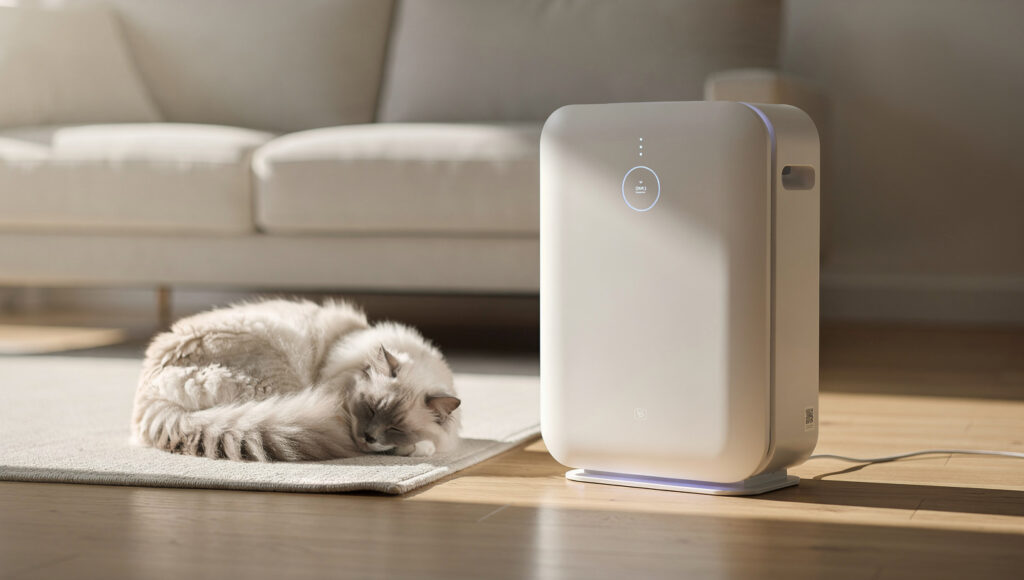
Investing in the best air purifier for pets is perhaps the single most effective way to manage cat dander in a shared living space. While traditional cleaning focuses on surfaces, these devices act as a continuous vacuum for the air you breathe, catching the microscopic particles that your manual cleaning might miss.
Not all air purifiers are created equal, however. To truly neutralize the allergens that cause sneezing and itching, you must look for a unit equipped with a “True HEPA” filter. According to the Environmental Protection Agency (EPA), True HEPA filters are designed to capture 99.97% of particles as small as 0.3 microns—the exact size range of most feline allergens.
📍 Where to Place Your Purifier for Maximum Efficiency
Location
Why it works
Expert Tip
The Bedroom
Protects your breathing during sleep.
Keep it running 24/7 on a quiet mode.
The “Cat Hub”
Near scratchers or cat trees where dander is high.
Ensure it’s 2 feet away from walls for airflow.
Living Room
Captures dander kicked up from sofas and rugs.
Place it near the cat’s favorite lounging spot.
🔍 Key Features to Look For
True HEPA H13 Grade: This is the gold standard for trapping cat dander and preventing it from recirculating.
Activated Carbon Filter: Essential for neutralizing those lingering “pet smells” and litter box odors.
CADR Rating: Check the Clean Air Delivery Rate to ensure the unit is powerful enough for your specific room size.
Whisper-Quiet Operation: Cats have sensitive hearing, so a noisy motor might stress them out or cause them to avoid the room.
Quick Summary
To fight cat dander effectively, your air purifier must have a True HEPA filter. Placement is key: prioritize the rooms where you spend the most time and where your cat loves to play.
🧹 Deep Cleaning: Best Carpet cleaner and Upholstery cleaner Strategies
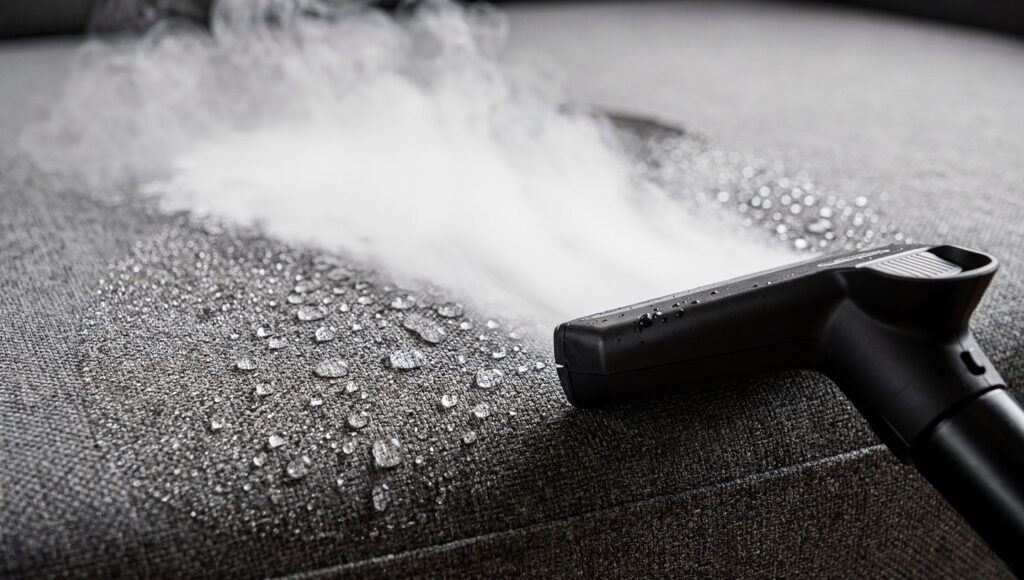
Even with the highest quality filters, soft surfaces in your home act like giant magnets for cat dander. Because these microscopic particles are naturally “sticky,” they embed themselves deep into the fibers of your rugs, curtains, and sofas. If you find your allergies spiking when you sit on the couch, it’s likely because your upholstery cleaner routine needs an upgrade.
To truly neutralize allergens, a standard vacuum is rarely enough. You need the deep-reaching power of a high-temperature steam cleaner. Heat doesn’t just clean; it breaks down the proteins in the Fel d 1 allergen, rendering them less reactive.
🏠 Targeted Cleaning for Different Surfaces
Surface Type
Recommended Tool
Why It’s Effective
Area Rugs & Carpets
Carpet cleaner with HEPA
Reaches the base of the pile where dander hides.
Fabric Sofas
Upholstery cleaner (Steam)
Uses heat to lift sticky allergens from deep foam.
Hardwood Floors
Microfiber Damp Mop
Traps dander instead of blowing it back into the air.
Cat Bedding
High-Temp Wash (60°C+)
Kills dust mites and dissolves saliva proteins.
💡 Pro-Tips for a Dander-Free Living Room
Frequency Matters: Aim to use a carpet cleaner at least once every three months, and vacuum with a HEPA-certified machine twice a week.
Focus on “Hotspots”: Pay extra attention to the areas where your cat spends 16+ hours a day. As explained in our guide on why cats sleep so much, these resting spots are the primary source of dander accumulation.
The “Damp” Secret: When dusting hard surfaces, always use a damp microfiber cloth. A dry feather duster just launches the cat dander back into the air you breathe.
Expert Tip
If you have severe allergies, consider replacing heavy curtains with blinds and swapping wall-to-wall carpeting for hard flooring. It reduces the surface area where cat dander can hide by up to 80%.
🚿 Proactive Cat Grooming to Minimize Cat dander
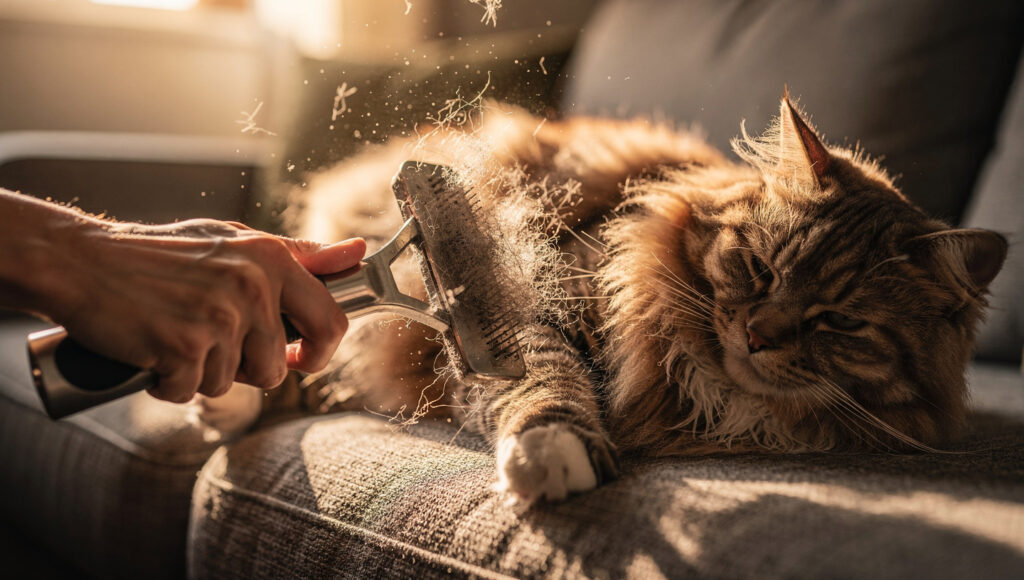
The most effective way to manage allergies is to stop them at the source. Since cat dander is composed of dried skin and saliva, maintaining your cat’s coat health is essential. By establishing a consistent routine, you can remove these allergens before they ever have a chance to float around your living room.
Regularly brushing your feline friend is the gold standard for allergen control. When you follow a proper guide on how to brush your cat, you are not just preventing mats; you are physically removing the loose dander and saliva-coated fur that would otherwise end up on your sofa.
🛠️ The Grooming Toolkit for Allergy Sufferers
Tool Type
Benefit for Allergies
Frequency
Fine-Toothed Comb
Removes dander and loose undercoat fibers.
3-4 times a week
Pet-Safe Wipes
Neutralizes saliva proteins on the fur surface.
Daily
De-shedding Tool
Captures deep-seated fur before it sheds.
Once a week
Omega-3 Supplements
Improves skin moisture to reduce flaking.
Daily (Consult vet)
🛁 To Bathe or Not to Bathe?
While most cats are not fans of water, a quick bath can drastically reduce the concentration of Fel d 1 on their skin. However, it must be done correctly to avoid drying out their skin, which would actually create more dander.
If you decide to go this route, following a stress-free guide to bathing a cat is crucial. Using a moisturizing, soap-free shampoo will keep the skin supple and minimize flaking. For many owners, a “damp towel rub” once a week is a great middle-ground that provides similar benefits without the drama of a full bath.
Expert Tip
Always groom your cat near an open window or an air purifier running on high. This prevents the cat dander you kick up during brushing from settling elsewhere in your home. If your allergies are severe, try to have a non-allergic family member handle the grooming sessions.
Maintaining a clean home doesn’t always require expensive chemicals. Some of the most effective pet-friendly cleaning tips involve simple, consistent lifestyle adjustments that target the microscopic nature of allergens.
To keep cat dander levels low, focus on “trapping” rather than “spreading.” Here are the best DIY strategies for a cleaner home:
The “Damp” Method: Never use a feather duster. Instead, use a damp microfiber cloth to wipe down baseboards, bookshelves, and window sills. The moisture traps the dander so you can wash it away.
High-Heat Laundry: Wash your cat’s bedding and your own linens in water at least 140°F (60°C). This temperature is necessary to break down the sticky Fel d 1 protein effectively.
Anti-Allergen Sprays: You can create a simple DIY spray using distilled water and a few drops of pet-safe essential oils (like lavender) to mist the air before vacuuming, which helps weigh down floating dander particles.
Litter Box Management: Dander often accumulates where cats groom themselves most. Keep the litter area clean and use low-dust litter to prevent respiratory irritation for both you and your cat.
🏠 Creating a “Cat-Free Zone” for Sleep Quality
Your bedroom should be your ultimate sanctuary. For allergy sufferers, the most important rule is often the hardest to follow: keeping the bedroom off-limits to your feline friend.
Since you spend about a third of your life sleeping, breathing in cat dander for 8 hours straight can lead to chronic congestion and poor sleep quality. If you find your cat meowing at the door because they are used to sleeping with you, our guide on cat meowing at night offers practical solutions to help them—and you—adjust to this new boundary.
Seal the Entry: Keep the bedroom door closed at all times to prevent airborne dander from drifting in.
Hypoallergenic Bedding: Use allergen-proof covers for your mattress and pillows. These have a tight weave that prevents cat dander from settling inside the padding.
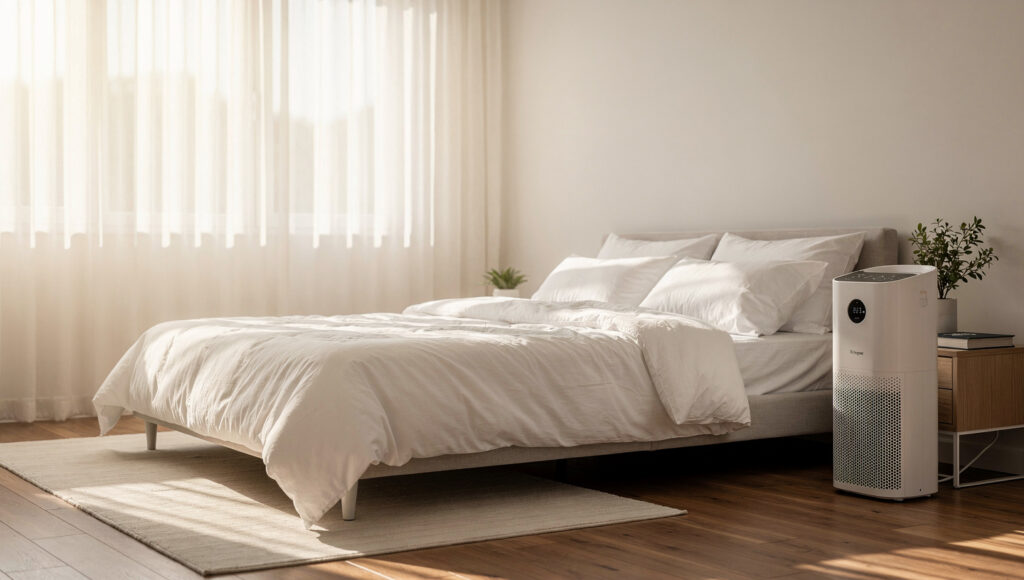
Dedicated Air Filtration: Even if you have a whole-house system, place a dedicated air purifier in your bedroom to ensure the air you breathe while sleeping is as pure as possible.
Living in Harmony with Your Feline Friend
Managing cat dander is not a one-time task, but a lifestyle adjustment that pays off in deep purrs and snuggly moments. While allergies can be a challenge, they shouldn’t stand in the way of the unique bond you share with your cat. By combining high-quality air purifiers, a dedicated cleaning routine, and proactive grooming, you can create a home that is healthy for both you and your furry companion.
Remember, every small step—whether it’s damp-dusting a shelf or brushing your cat—reduces the allergen load in your environment. You don’t have to be perfect; you just have to be consistent. With the right tools and a little bit of patience, a sneeze-free home is well within your reach.
Disclaimer: This information is provided for educational purposes only. If you suffer from severe asthma or life-threatening allergies, please consult with a medical professional or allergist for personalized advice.
A cat enthusiast dedicated to feline well-being. Here, I share the insights of my experience in understanding cat body language, behavior modification, and selecting the best preventative diets. My goal is to make cat ownership a joyful and seamless experience through simple, effective tips that prioritize prevention over cure.