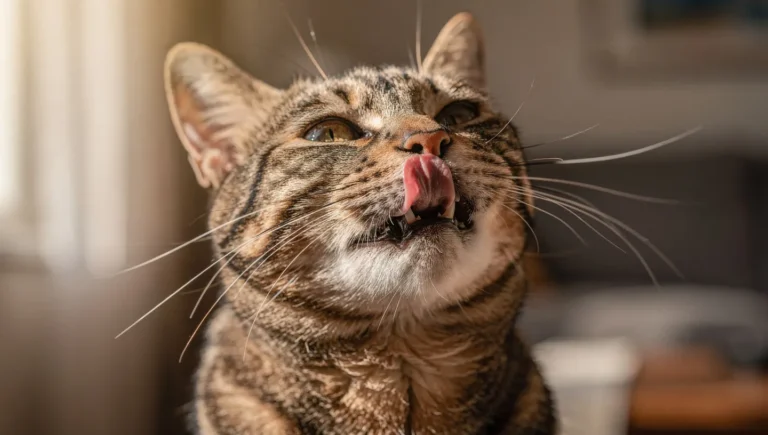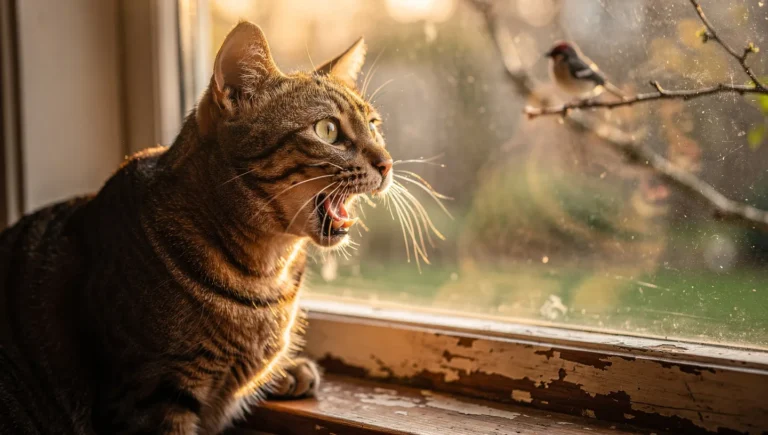

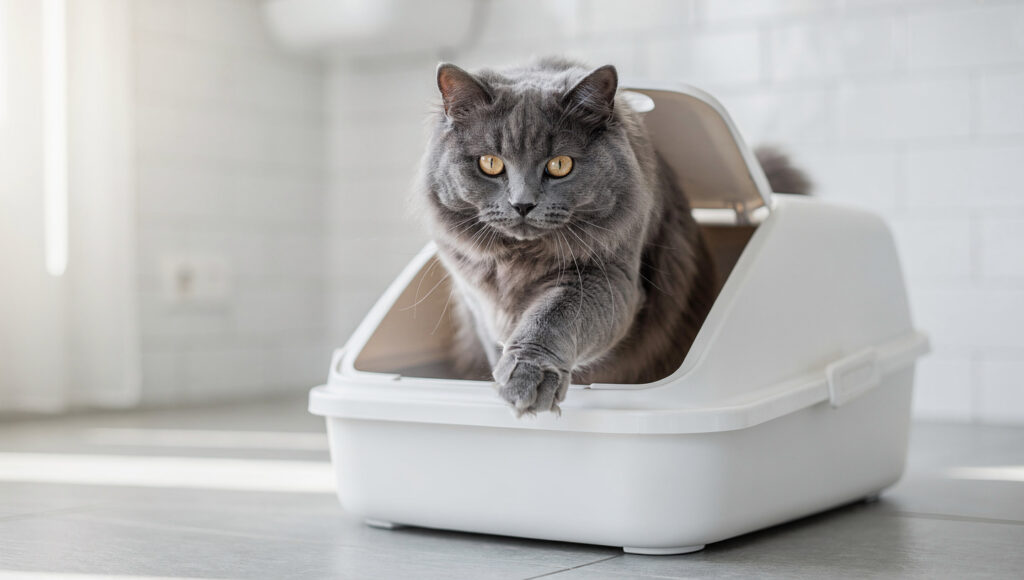
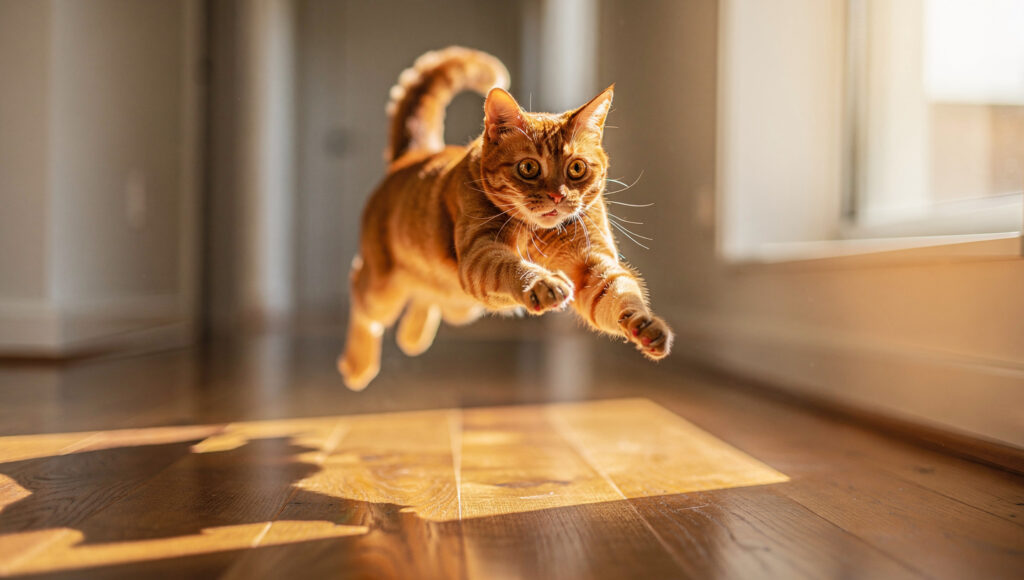
You’re sitting on the couch, minding your own business — then suddenly, a furry blur rockets out of the litter box, tears through the hallway, leaps over the coffee table, and vanishes into the bedroom.
Sound familiar?
If you’ve lived with a cat for more than five minutes, you’ve probably witnessed the legendary post-poop sprint. It’s bizarre. It’s hilarious. And honestly? It makes you wonder if your cat is perfectly fine — or completely unhinged.
Many owners ask, “Why do cats get zoomies after pooping?” — and the answer is more scientific (and far less dramatic) than you might expect.
Here’s the short answer: Cat zoomies after pooping are almost always completely normal. They’re triggered by a combination of nerve stimulation, ancient survival instincts, and a sudden rush of physical relief. In most cases, it’s nothing to worry about — but a few specific signs are worth watching.
Let’s break down exactly what’s happening inside that little body every time your cat bolts from the litter box like the floor is lava.
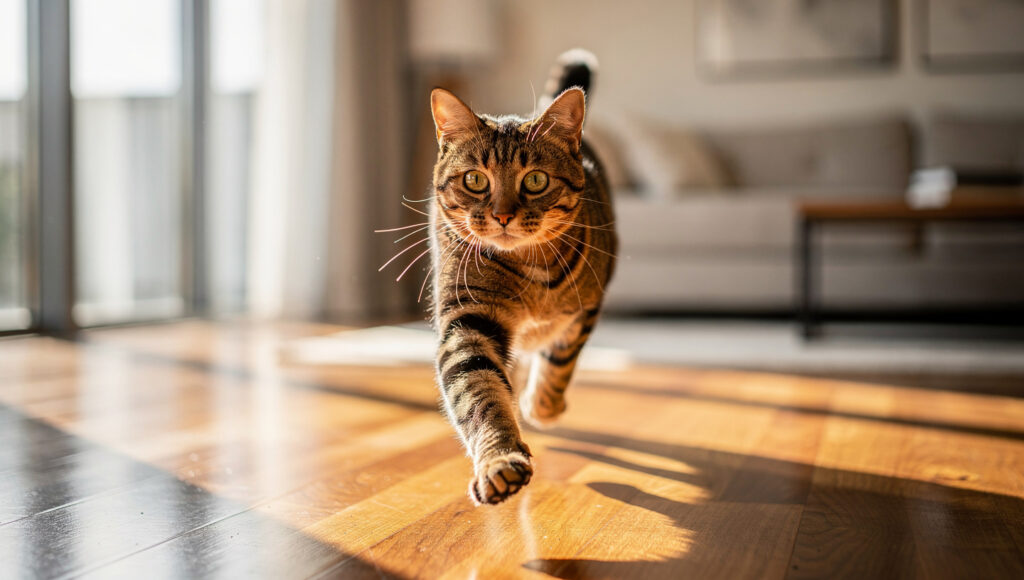
Table of Contents
- 🐾 What Are Cat Zoomies, Exactly?
- 🔬 Why Does My Cat Get the Zoomies After Pooping? (5 Real Reasons)
- 1. 🧠 The Vagus Nerve Stimulation Theory
- 2. 🦁 Instinctual “Escape the Scene” Survival Behavior
- 3. ⚡ Sudden Energy Release After Physical Relief
- 💡 Expert Tip
- 4. 🪣 Litter Box Sensory Sensitivity
- 5. 😣 Mild Digestive Discomfort or Constipation
- ✅ Are Cat Zoomies After Pooping Normal?
- ⚠️ When Should You Actually Worry?
- 🛠️ How to Reduce Extreme Post-Poop Zoomies (If They’re Chaotic)
- 🪣 Optimize Your Litter Box Setup
- 🥩 Improve Diet & Fiber Balance
- 🎯 Channel the Energy Into Structured Play
- 🐱 Do Kittens Get Zoomies After Pooping More Often?
- 🔍 The Science Behind the “Poophoria” Myth
- ❓ Frequently Asked Questions
- Do cats feel happy after pooping?
- Why does my cat sprint out of the litter box?
- Why does my cat act crazy after using the litter box?
- Is it a sign of constipation?
- 💬 Final Thoughts: Should You Be Concerned?
🐾 What Are Cat Zoomies, Exactly?
Before we get into the litter box science, let’s talk about zoomies themselves.
Veterinary behaviorists call them FRAPs — Frenetic Random Activity Periods. The name says it all. These are sudden, unpredictable bursts of high-speed energy where your cat seems to lose all contact with reality for about 30 to 90 seconds.
FRAPs aren’t exclusive to cats. Dogs do it. Rabbits do it. Even ferrets do it. But cats have turned it into a true art form — especially right after using the litter box.
During a FRAP, your cat isn’t scared or sick. Their brain is simply releasing a surge of pent-up energy, often triggered by a specific physical or emotional cue.
In my experience working with cats, FRAPs tend to happen most often at dawn, dusk, and — you guessed it — immediately after elimination. There’s always a trigger. The trick is understanding what that trigger is telling you.
Want to understand more about how your cat communicates through movement and body signals? This guide on cat body language is a great place to start — it puts zoomies into a much bigger behavioral picture.
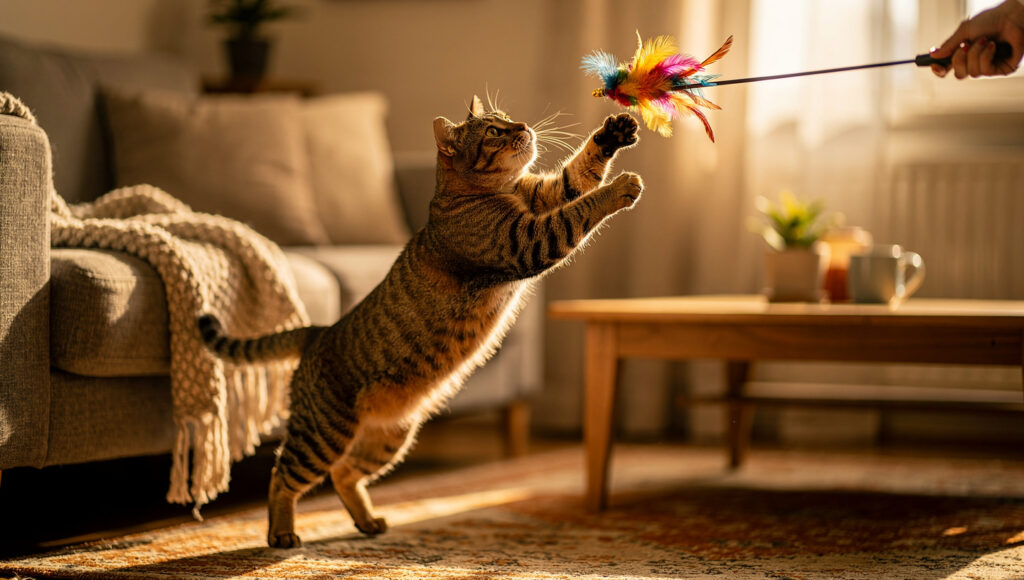
And if your cat’s post-poop energy has nowhere to go, channeling it into structured play makes a real difference. Check out the best interactive cat toys to give that energy a healthy outlet.
🔬 Why Does My Cat Get the Zoomies After Pooping? (5 Real Reasons)
This isn’t random chaos. There are real, science-backed explanations behind those post-poop sprints — and once you understand them, your cat’s behavior starts to make a lot more sense.
1. 🧠 The Vagus Nerve Stimulation Theory
This is the most fascinating explanation — and it’s rooted in actual neuroscience.
Your cat’s gut is packed with nerve endings connected directly to the brain through the vagus nerve — the same nerve that runs from the brainstem all the way down through the digestive system. When the colon fills and then empties, it sends a powerful signal through this nerve pathway.
The result? A sudden rush of relief — almost euphoric — that floods the nervous system the moment elimination is complete.
Think of it like this: your cat’s brain receives a “mission accomplished” signal from the gut, and the body responds with a burst of excited, celebratory energy. It’s not random. It’s neurological.
Humans actually experience a mild version of this too — that oddly satisfying feeling of relief after a good bathroom trip. For cats, with their far more sensitive nervous systems, the signal is amplified. A lot.
According to Cornell Feline Health Center, the gut-brain connection in cats is highly developed, which helps explain many post-elimination behavioral responses.
2. 🦁 Instinctual “Escape the Scene” Survival Behavior
Your fluffy house cat still carries millions of years of wild ancestry in their DNA.
In the wild, elimination is one of the most vulnerable moments for any animal. A cat crouched in a litter box — or a patch of dirt in the wild — is completely exposed. No ability to run. No ability to fight. Just… there.
Wild felines evolved a hard-wired response to this vulnerability: get away from the scene as fast as possible once elimination is done.
Why? Because the scent of waste attracts predators. And for a small cat, that’s a death sentence.
So that chaotic sprint out of the litter box? It’s your cat’s ancient brain executing a survival protocol that has absolutely nothing to do with your clean apartment and everything to do with not getting eaten by something larger.
I’ve worked with cats that were otherwise extremely calm and relaxed — lounging all day without a care — but the moment they finished in the litter box, they bolted like their life depended on it. That’s pure instinct, not personality.
3. ⚡ Sudden Energy Release After Physical Relief
Elimination — especially a complete, satisfying one — creates a real physiological shift in your cat’s body.
Before going, there’s physical pressure. Internal tension. A mild but constant discomfort that builds as waste accumulates in the digestive tract. Your cat’s body is essentially holding something, and that holding requires energy.
The moment that pressure releases? The body responds with a sudden flood of available energy — and it needs somewhere to go.
It’s almost identical to what happens after post-bath zoomies. The stress of bath time releases, and the energy that was tied up in managing that stress suddenly has nowhere to go except through the cat’s legs at 30 miles per hour.
Post-poop zoomies work the same way. The physical relief is the trigger. The sprint is the release valve.
💡 Expert Tip
If your cat’s post-poop zoomies happen consistently and are short (under 2 minutes), consider it a green flag — your cat’s digestive system is working well and their nervous system is responding normally. It’s actually a subtle sign of a healthy gut-brain connection. The cats I’d watch more closely are the ones who never zoom — that kind of consistent flatness can sometimes signal low-grade discomfort.
4. 🪣 Litter Box Sensory Sensitivity
The litter box environment itself can trigger zoomies — and not just because of what happened inside it.
Cats have an extraordinary sense of smell — roughly 14 times stronger than a human’s. The moment waste hits the litter, the scent concentration inside that box spikes dramatically. For a cat with a nose that sensitive, staying in there even a second longer than necessary is genuinely unpleasant.
Add to that the texture of the litter under their paws, the enclosed space of a covered box, the sound of litter shifting — and you’ve got a sensory environment that your cat wants to exit immediately and enthusiastically.
One mistake I often see: owners using heavily scented litters thinking it’ll be more pleasant for the cat. In reality, artificial fragrances can make the sensory overload worse, not better. Cats generally prefer unscented litter in a clean, open box.
Choosing the right litter setup makes a real difference in your cat’s post-bathroom behavior. The Best Cat Litter 2026 guide covers everything from odor control to texture preferences — worth a read if your cat seems particularly frantic after litter box visits.
5. 😣 Mild Digestive Discomfort or Constipation
This is the one reason on this list that deserves a closer look.
Sometimes, post-poop zoomies aren’t pure joy — they’re an expression of relief after mild discomfort. If your cat was straining slightly, or if digestion wasn’t smooth, the act of finally going can trigger an exaggerated energy burst as the body releases built-up tension.
This is especially common in cats who are slightly dehydrated, eating a low-fiber diet, or carrying a little extra weight — all factors that can slow digestion and make elimination harder than it should be.
If your cat’s zoomies seem more frantic than celebratory — if there’s a manic edge to them, or if they’re accompanied by other symptoms — it may be worth evaluating their diet and weight. The Cat Weight Loss Guide has practical strategies for improving digestive health through diet.
And if you’re ever unsure whether what you’re seeing is behavioral or something more serious, How to Tell if Your Cat is Sick gives you a clear checklist of warning signs to watch for.
✅ Are Cat Zoomies After Pooping Normal?
Yes — almost always. Post-poop zoomies are a standard feline behavior seen across breeds, ages, and personalities. The key is knowing the difference between normal and worth watching.
Normal signs:
- Sprint lasts under 2 minutes, then cat returns to calm
- Alert, playful expression — not panicked or distressed
- No unusual sounds during or after litter box use
- Consistent stool, appetite, and energy levels
Red flags to monitor:
- Crying or vocalizing during elimination
- Frequent trips to the box with little output
- Scooting or excessive rear-licking afterward
- Zoomies that feel frantic rather than playful
- Any blood in the stool
⚠️ When Should You Actually Worry?
The zoomies themselves aren’t the problem — it’s what surrounds them. Watch for these specific signals:
- Straining over 1–2 minutes — possible constipation or urinary blockage
- Crying in the litter box — pain signal, never normal
- Diarrhea or blood — call your vet today, not tomorrow
- Hiding after using the box — may indicate pain, nausea, or digestive distress
If vomiting after meals is part of the picture too, Why Does My Cat Throw Up After Eating helps identify whether there’s a connected pattern. And since dehydration is a major driver of constipation-related zoomies, the Cat Hydration Guide is essential reading.
🛠️ How to Reduce Extreme Post-Poop Zoomies (If They’re Chaotic)
🪣 Optimize Your Litter Box Setup
- Scoop at least once daily — twice is better
- Use an unscented litter; artificial fragrance increases sensory overload
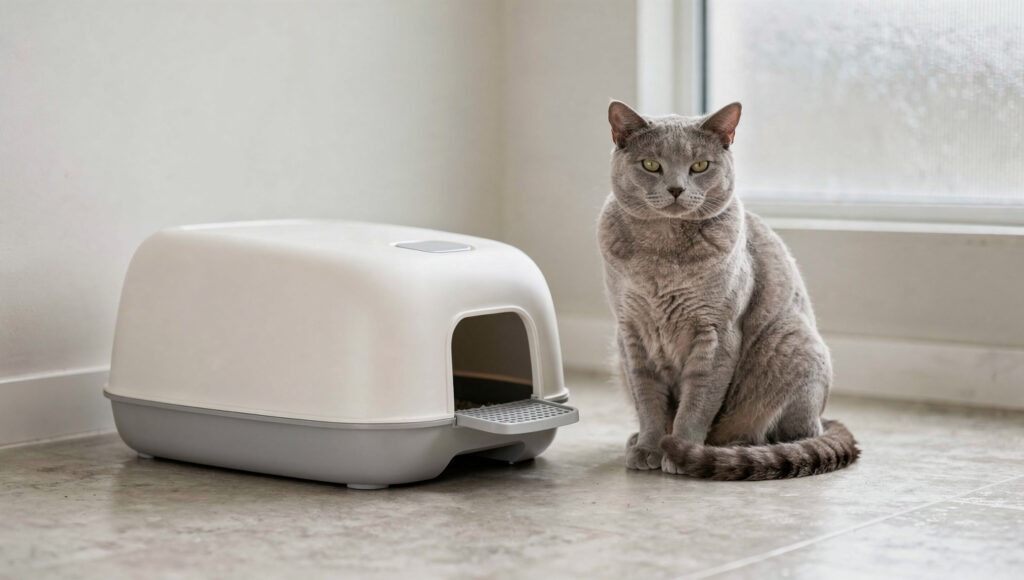
- Box should be large enough for a full turn with room to spare
- Place it in a quiet, low-traffic corner — safety during vulnerability matters
🥩 Improve Diet & Fiber Balance
Smooth digestion = calmer exits. The single biggest lever: increase moisture intake. Most dry-food cats are mildly dehydrated, which stiffens stools and makes elimination uncomfortable.
Even a partial switch to wet food makes a measurable difference. See Wet vs Dry Cat Food for a full breakdown — and if you’re switching, use the 7-Day Safe Transition Guide to avoid triggering the exact digestive issues you’re trying to fix.
🎯 Channel the Energy Into Structured Play
Two 10-minute play sessions daily — morning and evening — reduce overall energy buildup so the litter box isn’t your cat’s only release valve. If the post-poop chaos extends into furniture destruction, the 7-Day Scratching Reset Plan gives you a practical behavioral framework.
🐱 Do Kittens Get Zoomies After Pooping More Often?
Yes — and more intensely. Developing nervous systems amplify every signal, and kittens are already running at full energy capacity. Wall-bouncing, room-lapping chaos is normal and typically settles between 1–2 years of age. The Kitten Care Guide covers high-energy management without suppressing natural development.
🔍 The Science Behind the “Poophoria” Myth
“Poophoria” — the idea that cats feel euphoric after pooping — is a fun internet theory, but it overstates what the science supports. There’s no confirmed evidence of a dopamine surge from defecation in cats. What’s real is the vagus nerve stimulation creating a measurable autonomic shift. That’s neuroscience, not a happy dance. Behavioral response to a physical event — shaped by instinct, not emotion.
❓ Frequently Asked Questions
Do cats feel happy after pooping?
They likely experience physical relief through vagus nerve stimulation — a real neurological shift. Whether that equals “happiness” in any meaningful sense isn’t something we can confirm. What’s clear is the body responds with a measurable energy surge.
Why does my cat sprint out of the litter box?
Pure survival instinct. Wild cats evolved to flee elimination sites immediately to avoid attracting predators through scent. Your indoor cat’s brain still runs that ancient program — the clean apartment doesn’t override millions of years of hardwiring.
Why does my cat act crazy after using the litter box?
Three forces hitting at once: vagus nerve stimulation, instinctual escape behavior, and sudden release of pre-elimination physical pressure. Together they produce what looks like temporary insanity — but it’s completely normal biology.
Is it a sign of constipation?
It can be, but it usually isn’t. If zoomies come with straining, hard stools, or crying during elimination, mild constipation may be a factor. Increasing wet food and water intake is typically the first step. According to the American Association of Feline Practitioners (AAFP), dietary hydration is one of the most effective preventive tools for feline digestive health.
💬 Final Thoughts: Should You Be Concerned?
The post-poop sprint is not a malfunction. It’s your cat being exactly what evolution built them to be — a neurologically complex, instinct-driven creature doing what comes naturally after a vulnerable moment.
Keep the litter box clean. Keep the diet hydrated. Watch for the red flags. Beyond that — enjoy the chaos.
For long-term digestive wellness, the Cat Hydration Guide and How to Tell if Your Cat is Sick are the two highest-impact reads to bookmark right now.