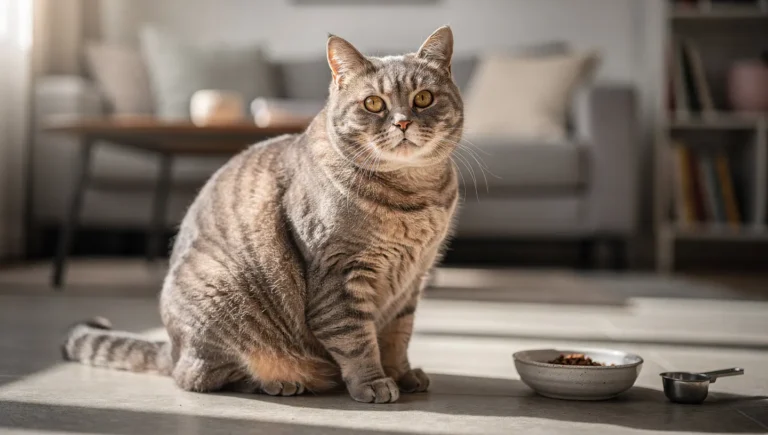

You’re sitting down with a snack, and out of nowhere, she appears. Big eyes. A slow blink. That quiet, patient stare that somehow makes you feel like the worst cat owner alive if you don’t share.
Here’s the thing: most human food isn’t just “not great” for cats. Some of it can genuinely hurt them, even in small amounts. And because cats are so much smaller than we are, what feels like a harmless little taste to us can be a much bigger dose for them.
This guide walks through the human foods toxic to cats, why each one is dangerous, and what to actually do if your cat gets into something she shouldn’t have.
This guide is for general information and is not a substitute for veterinary care. If your cat may have eaten something toxic or is showing serious symptoms, contact a veterinarian promptly.
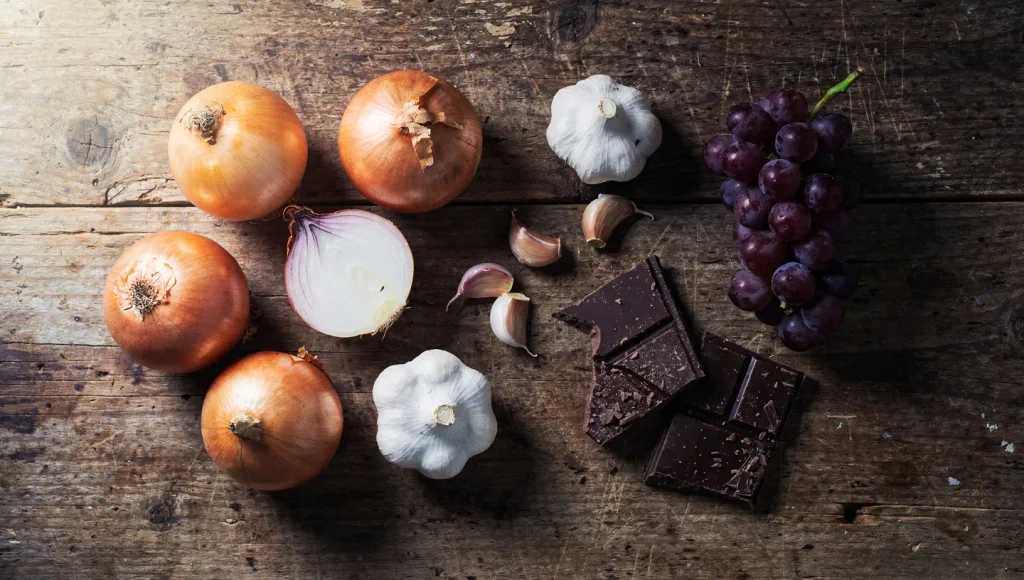
Table of Contents
- Quick Answer: The Human Foods Toxic to Cats You Should Know First
- Foods That Are Genuinely Toxic to Cats
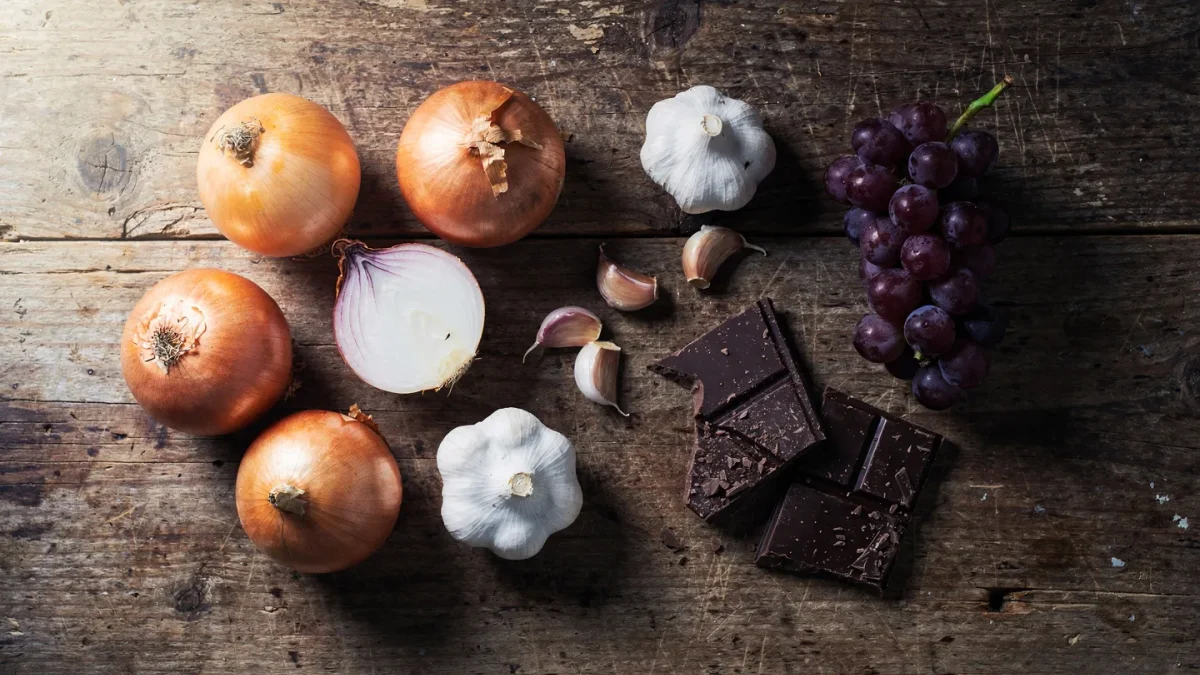
- Onions, Garlic, Chives, and Leeks
- Chocolate
- Grapes, Raisins, and Currants
- Alcohol
- Xylitol
- Foods That Carry Real but Different Risks
- Raw Bread Dough
- Caffeine
- Raw Meat, Eggs, and Dairy
- Avocado
- Citrus
- Coconut and Coconut Oil
- What Symptoms Actually Look Like
- What to Do If Your Cat Eats Something Toxic
- Why “Just One Bite” Feels So Hard to Refuse
- Safer Ways to Share Food Moments With Your Cat
- ❓ Frequently asked questions about toxic foods for cats
- What is the most toxic food for a cat?
- What human foods are toxic to cats?
- Can a small amount of toxic food still hurt my cat?
- How fast do symptoms show up?
- Final Thoughts: Your Cat’s Safety Starts With Awareness
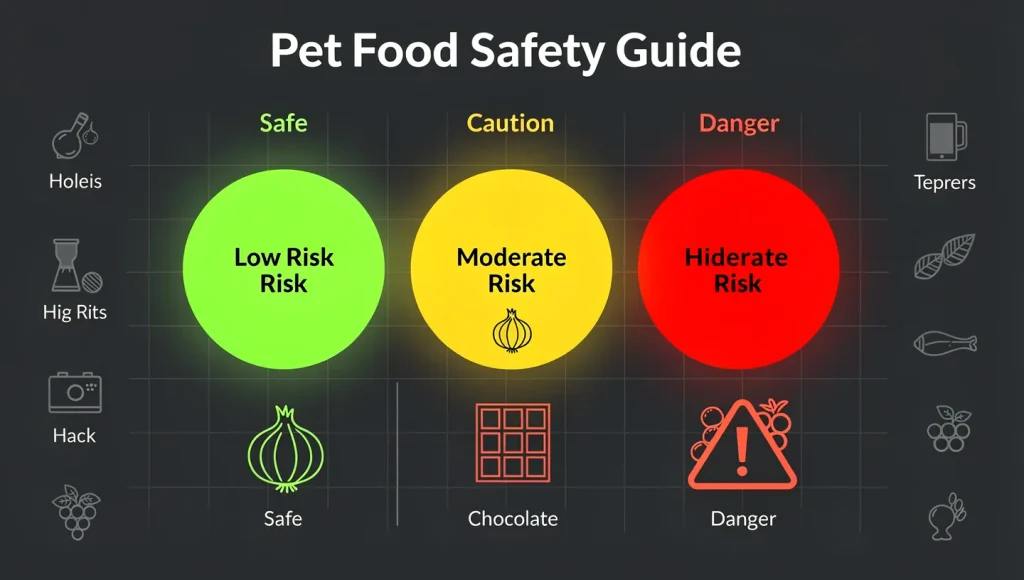
Quick Answer: The Human Foods Toxic to Cats You Should Know First
If you only have time to skim one section, make it this one.
| Food | Risk Level | Why It’s a Problem |
|---|---|---|
| Onions, garlic, chives, leeks | 🔴 High | Damages red blood cells, can cause anemia |
| Chocolate | 🔴 High | Contains theobromine and caffeine, toxic to cats |
| Grapes, raisins | 🔴 High | Linked to kidney failure; exact cause still unclear |
| Xylitol | 🔴 High | Can cause a dangerous drop in blood sugar |
| Alcohol | 🔴 High | Even small amounts can be dangerous for a cat’s size |
| Raw bread dough | 🟡 Moderate | Yeast can expand and produce alcohol in the stomach |
| Caffeine | 🟡 Moderate | Same toxic compound family as chocolate |
| Raw meat, eggs, dairy | 🟡 Moderate | Mainly a bacterial and digestive risk, not toxicity |
| Avocado | 🟡 Moderate | Evidence in cats is limited, but caution is warranted |
| Citrus | 🟡 Moderate | Peels and oils are the real concern, not the flesh |
The amount that matters, and so does your cat’s size and health. A tiny cat and a healthy 12-pound cat won’t react the same way to the same bite.
Foods That Are Genuinely Toxic to Cats
These are the ones where the evidence is clear enough that there’s really no “safe amount” to aim for.
Onions, Garlic, Chives, and Leeks
Honestly, this is the one that catches people off guard the most, because it’s not just raw onion on a burger. Powder, cooked forms, and even food that was simply seasoned with garlic can carry enough of the compound to cause damage.
These vegetables belong to the Allium family, and they contain sulfur compounds that damage a cat’s red blood cells. The damaged cells break down faster than they should, which can lead to anemia — a real drop in the number of healthy red blood cells circulating in her body.
Watch for:
- Vomiting or diarrhea
- Lethargy or weakness
- Pale or yellowish gums
- Dark-colored urine
- Rapid breathing
The tricky part is that symptoms don’t always show up right away. Sometimes it takes a day or two for the anemia to become obvious, which is exactly why it’s worth calling your vet even if your cat “seems fine” right after.
Chocolate
Chocolate contains theobromine and caffeine — a class of stimulants called methylxanthines — and cats can’t metabolize them the way we do. The darker and more concentrated the chocolate (think baking chocolate over milk chocolate), the more of these compounds it contains.
According to PetMD, signs of chocolate toxicity can include vomiting, diarrhea, restlessness, a racing heart, tremors, and in serious cases, seizures. If your cat manages to get into a chocolate bar or, worse, baking chocolate, this isn’t a “wait and see” situation — a call to your vet or a poison control line is the right move.
Grapes, Raisins, and Currants
This one is a little different, because scientists still don’t fully understand why grapes and raisins are dangerous to pets. What’s known is that they’ve been linked to kidney failure in cats and dogs, and that this can happen even after eating a small amount.
Because the mechanism isn’t fully understood, there’s no way to say a certain quantity is “safe.” If your cat eats grapes or raisins in any amount, it’s worth contacting your veterinarian rather than waiting to see if symptoms appear.
Possible signs include vomiting, diarrhea, lethargy, and changes in how much your cat is drinking or urinating — which can actually be a sign that the kidneys are struggling.
Alcohol
Cats are small, which means it doesn’t take much alcohol to affect them. This includes alcoholic drinks themselves, but also foods or desserts made with alcohol as an ingredient.
Alcohol depresses the nervous system and can throw off a cat’s normal body balance. Signs can include disorientation, vomiting, slow breathing, low body temperature, and in severe cases, collapse. If your cat somehow gets into an alcoholic drink left unattended, don’t wait around — this is a same-day vet call.
Xylitol
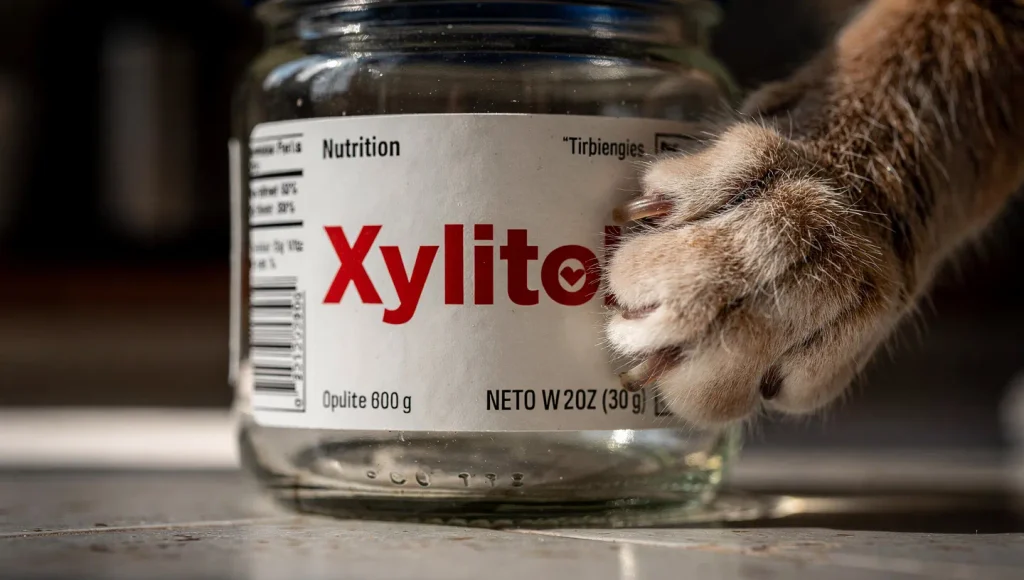
Xylitol is an artificial sweetener found in a surprising number of products: sugar-free gum, some peanut butters, baked goods, and certain medications or supplements. While most of the research on xylitol toxicity comes from dogs, veterinary sources caution that it should still be kept away from cats, since a cat’s smaller body size means less room for error.
In dogs, xylitol triggers a sudden insulin release that causes blood sugar to crash. Whether cats respond the exact same way isn’t as well documented, but given how serious the risk is in dogs, this isn’t one to test. If you bake at home or use sugar-free products, it’s worth double-checking the label before leaving anything within reach.
Foods That Carry Real but Different Risks
Not every item people search for under human foods toxic to cats is toxic in the strict sense. Some of these are more about bacteria, digestion, or limited evidence — and it matters to know the difference, because the response isn’t always “call the vet immediately.”
Raw Bread Dough
If your cat somehow snags a piece of raw dough off the counter, the real danger isn’t the flour — it’s the live yeast. Once it’s in a warm stomach, that yeast keeps working, producing gas and even alcohol as it ferments.
This can cause a bloated, uncomfortable stomach and, because of the alcohol byproduct, some of the same symptoms you’d see with alcohol poisoning: disorientation, weakness, vomiting. A small piece of fully baked bread isn’t a concern, but raw dough is a different story entirely.
Caffeine
Caffeine belongs to the same chemical family as the compounds in chocolate, so the effects are similar: restlessness, a racing heart, tremors, and in higher doses, more serious symptoms. Coffee grounds, tea bags, and energy drinks are the usual culprits — and coffee grounds in particular are concentrated enough that even a small lick can add up.
Raw Meat, Eggs, and Dairy
This is where the “toxic vs. risky” distinction really matters. Raw meat, eggs, and unpasteurized dairy aren’t toxic to cats the way onions or chocolate are — the concern here is bacterial, not chemical. Raw proteins can carry salmonella, E. coli, or campylobacter, which can make a cat sick the same way it would make a person sick.
As for dairy specifically: the “cats love milk” idea is more myth than reality. Most adult cats lose much of their ability to digest lactose after kittenhood, so a saucer of milk is more likely to cause an upset stomach than anything else. If you’re curious about safer ways to let your cat enjoy a milky treat, we’ve covered lactose-free alternatives in detail here.
Eggs are a slightly different case — cooked, plain eggs are actually fine in small amounts and offer decent protein. It’s raw egg that carries the salmonella risk, along with a compound that can interfere with biotin absorption over time. If you want the full picture on quantities and how to serve them safely, this guide on eggs and cats breaks it down.
Avocado
Avocado toxicity is well documented in some animals, like birds, but the evidence in cats is genuinely limited and less clear-cut. That said, most vets still recommend caution — the fat content alone can upset a cat’s stomach, and the pit is a serious choking and blockage hazard regardless of any toxicity question.
Citrus
Cats tend to dislike citrus on their own, which helps, but it’s still worth knowing why. The flesh of an orange or lemon isn’t especially dangerous, but the peel, seeds, and stems contain essential oils and citric acid that can cause vomiting, diarrhea, or skin irritation if your cat happens to rub against or chew on them.
Coconut and Coconut Oil
In small amounts, coconut products aren’t considered highly toxic, but they are very high in fat, and large amounts can lead to stomach upset or, over time, contribute to weight gain. It’s more of a “not a great idea” than a genuine poisoning risk.
What Symptoms Actually Look Like
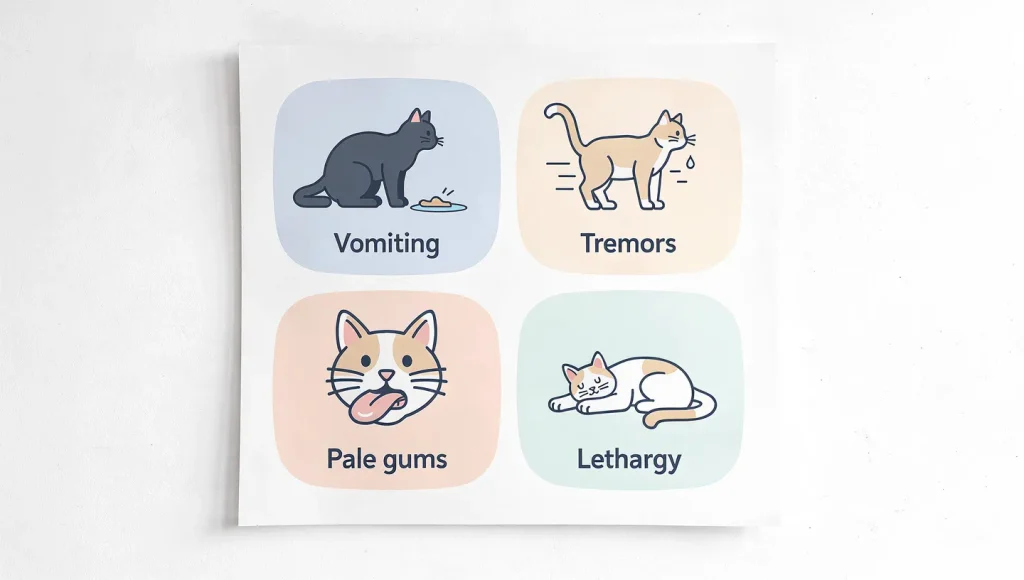
Symptoms vary depending on what your cat ate and how much, but a few patterns show up again and again:
Digestive signs — vomiting, diarrhea, drooling, or a sudden refusal to eat. This is the most common first sign across almost every food on this list.
Whole-body signs — lethargy, weakness, a rapid heart rate, or unusual thirst and urination. These often point to something more serious happening internally, like kidney stress or anemia developing.
Neurological signs — tremors, disorientation, wobbliness, or seizures. These are the signs that mean don’t wait, especially after chocolate, alcohol, or xylitol exposure.
If you’re not sure whether what you’re seeing is serious, our guide on how to tell if your cat is sick can help you read the bigger picture, and understanding vomiting after eating or diarrhea can help you judge whether it looks food-related or something else. Cornell Feline Health Center keeps a reliable, regularly updated list of hazards worth bookmarking.
What to Do If Your Cat Eats Something Toxic
Here’s the important part: don’t try to guess your way through this at home.
- Stay calm and remove access to whatever she ate, so she can’t get more of it.
- Note what and roughly how much she ate, and when. This detail genuinely helps whoever you call next.
- Call your veterinarian, an emergency vet clinic, or a poison control line right away:
- ASPCA Animal Poison Control: 888-426-4435
- Pet Poison Helpline: 855-764-7661
- Do not induce vomiting unless a vet specifically tells you to. Some substances can cause more damage coming back up than staying put.
Treatment works best when it starts early, so acting quickly matters more than acting perfectly.
Why “Just One Bite” Feels So Hard to Refuse
That look she gives you isn’t manufactured — cats really are that good at reading the moment. And there’s nothing wrong with wanting to include her in something as simple as a snack. The issue isn’t the impulse, it’s that a lot of the foods we reach for happen to be the exact ones on this list.
The good news is that saying no to the chip or the piece of chocolate doesn’t mean saying no to the moment altogether.
Safer Ways to Share Food Moments With Your Cat
If you want to include her without the risk, there are plenty of options that scratch the same itch:
- A few plain, cooked pieces of chicken or turkey, no seasoning
- Cat-safe fruits like small pieces of banana or cooked pumpkin
- Homemade treats made specifically with feline nutrition in mind
- A slow-feeder puzzle toy at snack time, so she’s “in on it” without needing your plate
It’s worth remembering that food isn’t the only hazard in the house, either — plenty of common houseplants carry real risk too, so if you’re doing a broader safety sweep, this guide to toxic plants is a good next stop.
❓ Frequently asked questions about toxic foods for cats
What is the most toxic food for a cat?
Onions, garlic, and their relatives are among the most dangerous because even small, repeated amounts can damage red blood cells over time. Chocolate and grapes are close behind in terms of severity.
What human foods are toxic to cats?
Onions, garlic, chocolate, grapes, raisins, alcohol, and xylitol are the clearest examples. Others, like raw dough, caffeine, and avocado, carry real risk but for slightly different reasons.
Can a small amount of toxic food still hurt my cat?
For some foods, yes. Grapes, raisins, and xylitol don’t have a well-established “safe amount,” so even a small taste is worth a call to your vet.
How fast do symptoms show up?
It varies. Some reactions, like to chocolate or alcohol, can show up within hours. Others, like the anemia from onion or garlic exposure, can take a day or two to become obvious.
Final Thoughts: Your Cat’s Safety Starts With Awareness
Every cat is a little different, and boundaries change household to household — that’s normal. What matters most is keeping a clear list of human foods toxic to cats in mind, no matter how convincing those eyes are.
What’s the strangest human food your cat has ever begged for, or straight-up stolen off your plate? Tell us in the comments below, we read every one of them. And if this guide helped, consider sharing it with another cat owner or in a pet lovers’ group. It might just save someone else’s curious cat a trip to the vet.