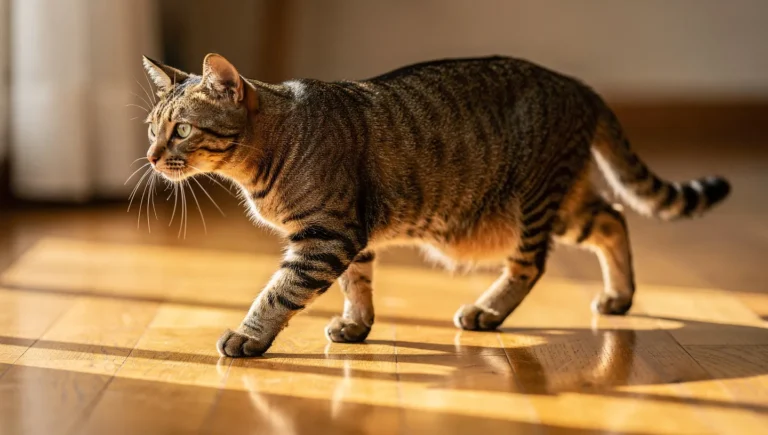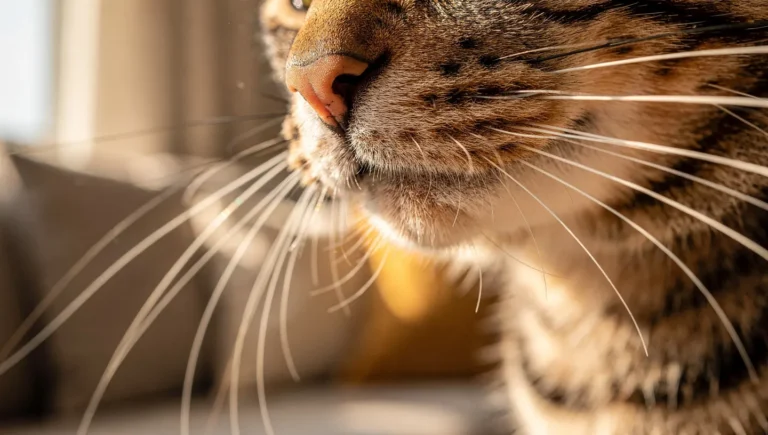

As a cat parent, nothing is more stressful than that nagging gut feeling that something isn’t quite right with your feline friend. Knowing how to tell if your cat is sick can be surprisingly tricky because cats are evolutionary masters at masking pain.
In the wild, showing weakness makes a cat a target. Even though your kitty lives a life of luxury on your sofa, those survival instincts remain. They won’t always meow for help; instead, they whisper through subtle changes in behavior and appearance.
💡 Expert Tip: Trust Your Intuition
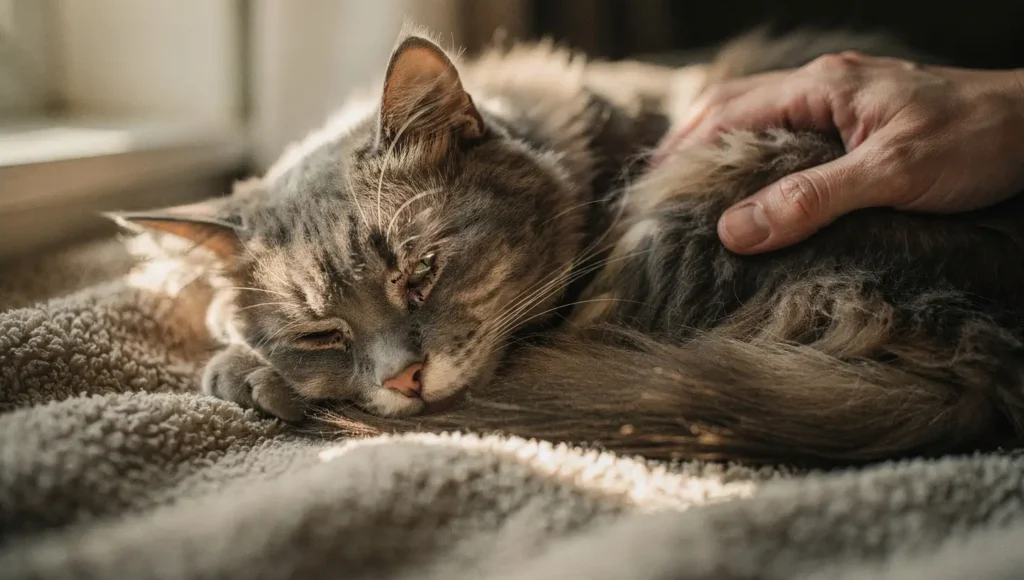
As someone who has spent over a decade observing feline behavior, I can tell you that you are the best judge of your cat’s health. If their “vibe” feels off, it usually is. Early detection doesn’t just save money on vet bills—it saves lives.
This guide will break down the “silent” language of feline illness, from subtle mood shifts to physical red flags, so you can act before a small issue becomes a crisis.
Table of Contents
- 💡 Expert Tip: Trust Your Intuition
- 🕵️♂️ Subtle Signs Your Cat is Sick: Understanding Feline Instincts
- 🔍 Key Indicators of Behavioral Shifting
- 📝 Quick Summary: The “Masking” Rule
- 🚩 Behavioral Red Flags: Lethargy and Hiding
- 💤 Why Lethargy in Cats is Never “Just Laziness”
- 💡 Expert Tip: The “Sleep vs. Lethargy” Test
- 🏠 The “Hiding” Instinct: Why Your Cat is Under the Bed
- 🩺 The Ultimate Sick Cat Symptom Checker (Physical Signs)
- 📊 Quick Comparison: Normal vs. Sick Symptoms
- 🍽️ Changes in Appetite and Thirst
- 🚽 Litter Box Habit Shifts
- 💡 Expert Tip: The “Skin Tent” Hydration Test
- ⚠️ Common Sick Cat Symptoms You Should Never Ignore
- 🌡️ Fever and Temperature Fluctuations
- 🤢 Persistent Digestive Upset
- 💨 Respiratory Distress
- 📉 Sudden Weight Loss
- 💡 Expert Tip: The “Purr” Trap
- 🏠 How Do I Know if My Cat is Sick? (The 5-Minute Home Check)
- 👃 Step 1: The Face and Head Check
- 🧤 Step 2: The Coat and Body Scan
- 🐾 Step 3: The Mobility and Touch Test
- 💡 Expert Tip: The “Heart Rate” Baseline
- 📉 Step 4: The Appetite “Litmus Test”
- 🏥 When to Call the Vet: Emergency vs. Routine
- 🚨 Emergency: Go to the Vet Immediately
- 📅 Routine: Schedule an Appointment Within 24-48 Hours
- 💡 Expert Tip: The “Better Safe Than Sorry” Rule
- Frequently Asked Questions About Sick Cats
- How can you tell if a cat is unwell?
- How do I know if my cat is sick or just tired?
- How do I know if my cat has a fever?
- How do I know if my cat has a cold?
- How do I know if my cat is in pain?
- Can a sick cat get better on its own?
- How long should I wait before taking my cat to the vet?
- What are the most common signs a cat is sick?
- Do cats hide when they are sick?
- What does it mean when a cat suddenly acts different?
- 🐾 Your Cat’s Best Health Advocate is You
🕵️♂️ Subtle Signs Your Cat is Sick: Understanding Feline Instincts
Identifying the early signs of illness in cats requires a bit of detective work. Unlike dogs, who might whimper or seek constant attention when hurting, a sick cat often becomes a “ghost.” This is known as masking, an ancient survival tactic used to avoid attracting predators in the wild.
To catch these subtle hints, you must look beyond the obvious. A cat that stops jumping on the counter or suddenly ignores their favorite feathered toy isn’t just “getting older”—they might be managing internal discomfort.
🔍 Key Indicators of Behavioral Shifting
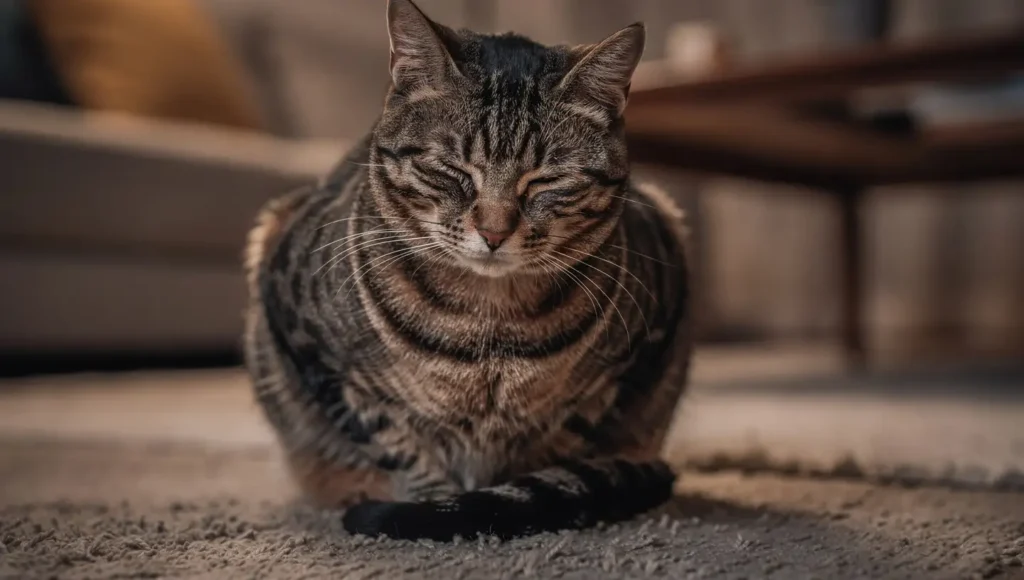
- Altered Socializing: If your “Velvet Shadow” suddenly stops greeting you at the door or avoids head scratches, take note.
- Vocal Changes: A quiet cat becoming suddenly chatty, or a loud cat going silent, are often major signs of illness in cats.
- Eye Appearance: Constantly dilated pupils or a visible third eyelid (the haw) are physical cues that your cat’s body is under stress.
Understanding your cat’s baseline is crucial for early detection. By learning to interpret cat tail language, you can often spot the flick of irritation or the low-carry of pain long before they show more severe clinical symptoms.
📝 Quick Summary: The “Masking” Rule
If your cat is acting “weird,” they are likely not just being moody. In the feline world, “weird” is the first stage of “sick.” Because they hide pain so well, even a slight change in their daily routine warrants a closer look.
🚩 Behavioral Red Flags: Lethargy and Hiding
When a cat’s behavior shifts, it’s rarely a coincidence. While physical symptoms like vomiting are obvious, behavioral changes are the “quiet alarms” of the feline world. Two of the most significant indicators are lethargy and unusual hiding.
💤 Why Lethargy in Cats is Never “Just Laziness”
It is a common myth that cats are just naturally lazy. While they do sleep a lot, there is a massive difference between a healthy nap and true lethargy. A healthy cat is alert when awake, follows movement, and displays “zommies” or curiosity.
If your cat seems “flat,” uninterested in treats, or lacks the energy to groom themselves, you are likely looking at clinical lethargy. This isn’t just tiredness; it’s often a sign that their body is redirecting all energy to fight an underlying infection or pain.
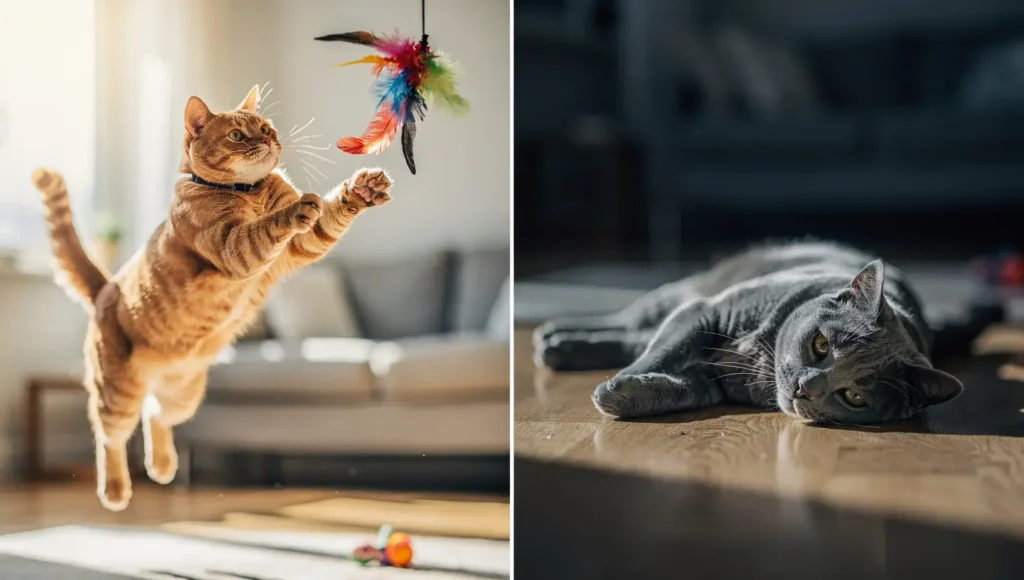
💡 Expert Tip: The “Sleep vs. Lethargy” Test
Try shaking a bag of their favorite treats or opening a can of wet food. A sleeping cat will usually twitch an ear or wake up. A cat suffering from lethargy may look at you but won’t have the strength or desire to get up. If this persists for more than 24 hours, call your vet.
🏠 The “Hiding” Instinct: Why Your Cat is Under the Bed
If your normally social cat is suddenly spending all day hiding in the back of a closet or under the bed, pay close attention. In the feline world, a vulnerable cat is a target. By withdrawing to a dark, cramped space, they are trying to protect themselves while they feel unwell.
Hiding is one of the most common signs your cat is sick. It’s their way of “powering down” and avoiding any interaction that might require energy or cause pain.
- Sudden Reclusion: Moving from the living room to a hidden spot.
- Rejection of Comfort: Refusing to come out even for their favorite person.
- Fearful Body Language: Tucked paws and a lowered head while in the hiding spot.
If you’re wondering, “Why does my cat sleep so much?”, it’s important to distinguish between their natural 12-16 hour sleep cycle and a sudden withdrawal from family life.
🩺 The Ultimate Sick Cat Symptom Checker (Physical Signs)
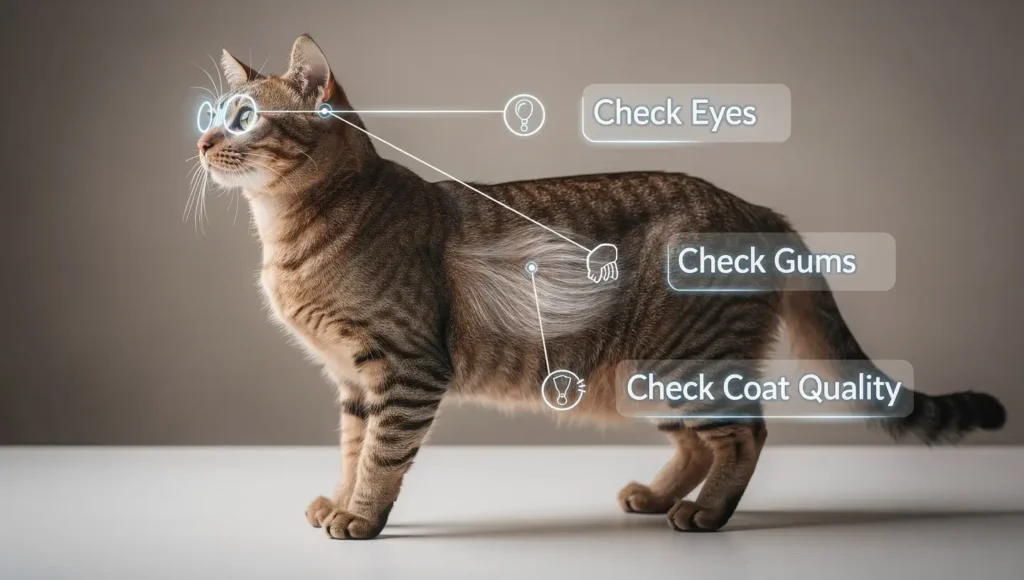
When you’re trying to figure out how to tell if your cat is sick, a head-to-tail physical check is your most reliable tool. While behavioral changes are subtle, physical symptoms are hard evidence that your cat needs help.
Use this quick checklist to compare your cat’s current state with a healthy baseline.
📊 Quick Comparison: Normal vs. Sick Symptoms
| Feature | Healthy Baseline | Warning Sign (Red Flag) |
|---|---|---|
| Eyes | Clear, bright, no discharge | Dilated, third eyelid visible, or squinting |
| Gums | Bubblegum pink and moist | Pale, white, yellow, or bright red |
| Coat | Smooth, shiny, self-groomed | Scruffy, oily, mats, or excessive shedding |
| Breathing | Quiet and effortless | Open-mouthed panting, wheezing, or coughing |
🍽️ Changes in Appetite and Thirst
A sudden loss of interest in food for more than 24 hours is one of the most serious sick cat symptoms. Conversely, a sudden, ravenous hunger or excessive thirst (polydipsia) can point toward metabolic issues like diabetes or hyperthyroidism.
If your cat is showing interest in food but keeps bringing it back up, it’s important to distinguish between simple hairballs and medical issues. You can learn more about this in our guide on why cats throw up after eating.
🚽 Litter Box Habit Shifts
Your cat’s litter box is a window into their internal health. Any deviation from their normal routine is a major red flag for signs of illness in cats.
- Straining: If your cat visits the box frequently but produces little to no urine, this is a medical emergency (especially for males).
- Accidents: If a normally clean cat starts urinating in odd places, they may be dealing with a UTI or high stress. Check our deep dive on why cats pee on the bed for more specific causes.
💡 Expert Tip: The “Skin Tent” Hydration Test
Gently pinch the skin between your cat’s shoulder blades and let go. In a healthy cat, it snaps back instantly. If it stays up in a “tent” or moves back slowly, your cat is likely dehydrated—a common sign of many underlying illnesses.
⚠️ Common Sick Cat Symptoms You Should Never Ignore
Even for the most experienced owners, how to tell if your cat is sick often comes down to recognizing specific “deal-breaker” symptoms. While some issues can wait for a scheduled vet appointment, certain sick cat symptoms act as an urgent SOS from your cat’s body.
If you notice any of the following, don’t wait for “tomorrow” to see if they get better.
🌡️ Fever and Temperature Fluctuations
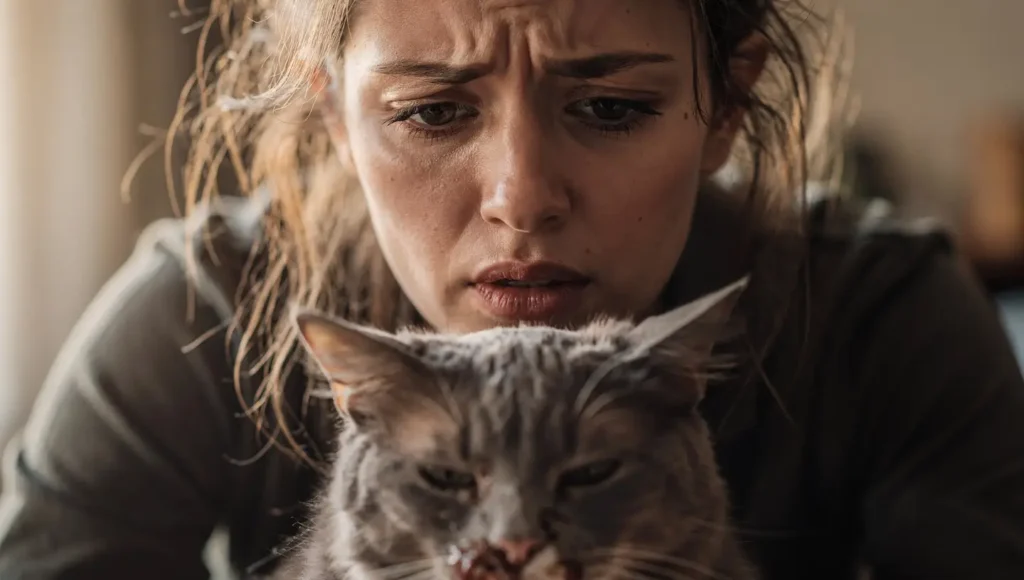
A common myth is that a dry nose means a fever. In reality, the only way to be sure is by checking their behavior. A cat with a fever will often sit in a “hunched” position, refuse all food, and may shiver. If their ears feel unusually hot to the touch and they are showing extreme lethargy, their body is likely fighting an infection.
🤢 Persistent Digestive Upset
While an occasional hairball is normal, frequent vomiting or diarrhea is not. If your cat is losing fluids from both ends, dehydration sets in rapidly. This is especially dangerous if they have stopped eating altogether. If you’re unsure about their diet, checking what cats should eat can help rule out simple nutritional mistakes versus actual illness.
💨 Respiratory Distress
Healthy cat breathing should be almost silent. If you notice:
- Wheezing or Raspy Sounds: Often a sign of asthma or respiratory infection.
- Open-Mouthed Panting: Unless they just finished a heavy sprint, this is a major red flag.
- Persistent Coughing: This can often be mistaken for trying to hack up a hairball, but it could indicate heart or lung issues.
📉 Sudden Weight Loss
Weight loss is the “silent creeper” of feline illness. You might not notice it day-to-day until you pet them and feel their spine or ribs more prominently than usual. Sudden weight loss is a classic sign of illness in cats and is often linked to kidney disease, hyperthyroidism, or dental pain that prevents them from eating.
💡 Expert Tip: The “Purr” Trap
Don’t let a purr fool you! While cats purr when happy, they also purr to self-soothe when in extreme pain or close to death. If your cat is purring while showing other sick cat symptoms like hiding or refusing food, it is a sign of distress, not contentment.
🏠 How Do I Know if My Cat is Sick? (The 5-Minute Home Check)
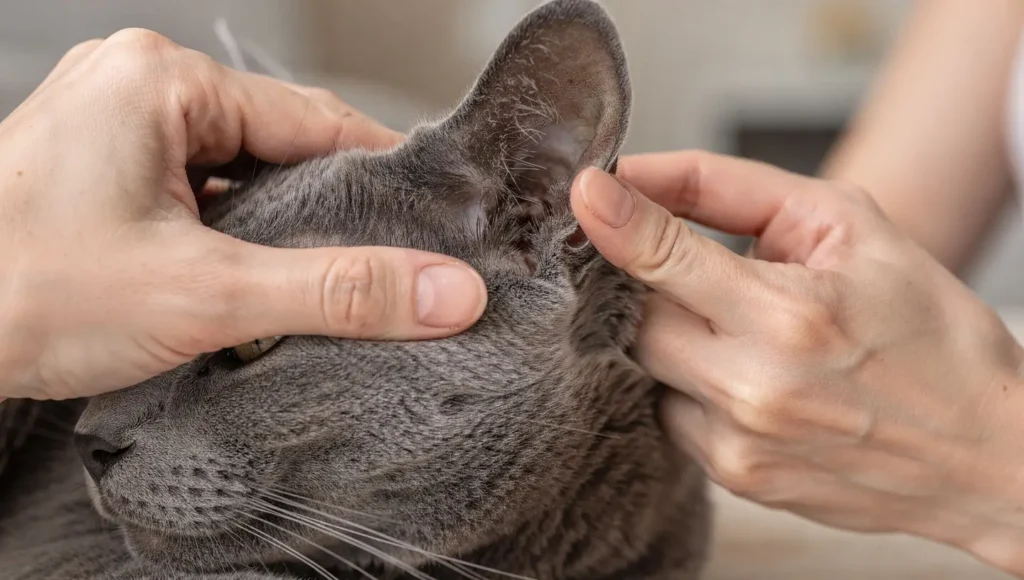
If you are currently asking yourself, “How do I know if my cat is sick?”, it’s time to stop guessing and start checking. You don’t need a medical degree to perform a basic health assessment. By spending just five minutes doing a systematic “nose-to-tail” check, you can gather vital information for your vet.
👃 Step 1: The Face and Head Check
Start at the front. Are the eyes bright and clear, or do they look “glassy”? Check for any discharge around the nose or eyes.
- The Mouth: Gently lift the lip. Gums should be pink. If they are pale or have a strong, foul odor (beyond just “fishy” breath), it could indicate dental disease or internal issues.
- The Ears: Look for excessive wax, redness, or a strange smell, which could point to mites or infections.
🧤 Step 2: The Coat and Body Scan
Run your hands firmly but gently down your cat’s body. A healthy cat should feel lean but not “bony.”
- Coat Quality: A sick cat often stops grooming. If the fur looks “spiky,” greasy, or has sudden dandruff, it’s a sign they are too weak to maintain themselves. Regular grooming is essential, and you can see our tips on how to brush your cat to keep their coat in top shape.
- Lumps and Bumps: Feel for any new growths or areas where the cat flinches.
🐾 Step 3: The Mobility and Touch Test
Gently press on your cat’s abdomen. It should be soft and painless. If the cat growls, hisses, or tries to bite when you touch a specific area, they are likely masking localized pain.
Check their paws and claws as well. If they are overgrowing or causing discomfort, it can affect how they move. For maintenance, see our guide on how to trim cat nails safely.
💡 Expert Tip: The “Heart Rate” Baseline
While your cat is relaxed, place your hand on the left side of their chest, just behind the front leg. Count the beats for 15 seconds and multiply by 4. A normal resting heart rate is usually between 150–200 beats per minute. Knowing their “normal” now will help you identify when it’s dangerously high later.
📉 Step 4: The Appetite “Litmus Test”
Offer a high-value treat, like a piece of plain boiled chicken or a lickable treat. If a normally food-motivated cat turns their head away from their absolute favorite snack, this is a clear answer to how can I tell if my cat is sick.
🏥 When to Call the Vet: Emergency vs. Routine
Deciding when to seek professional help is the final step in knowing how to tell if your cat is sick. Not every sneeze requires an emergency visit, but waiting too long for certain signs of illness in cats can be fatal.
To make it easier for you, I’ve categorized these symptoms into “Call Now” (Emergency) and “Schedule Soon” (Routine).
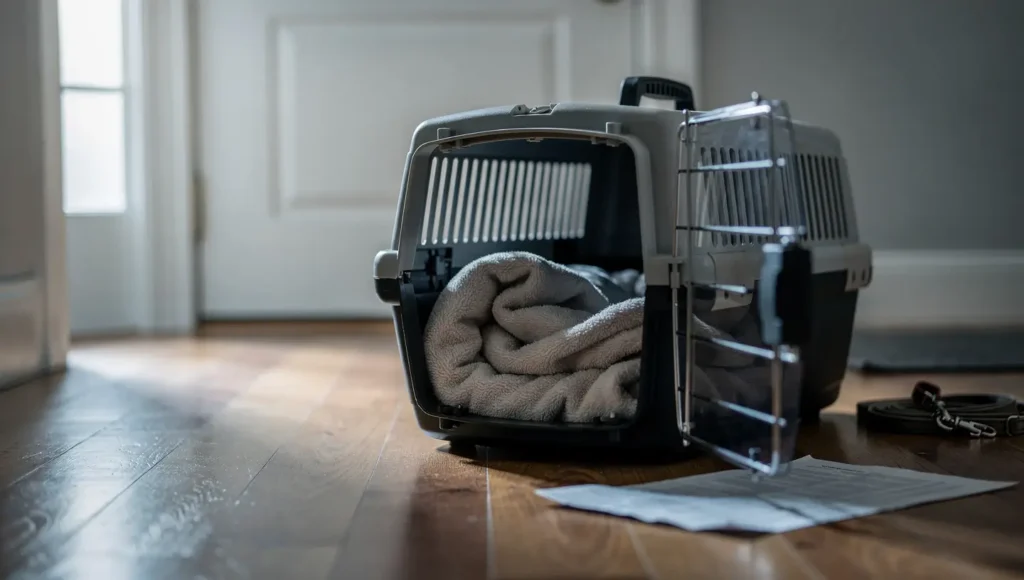
🚨 Emergency: Go to the Vet Immediately
If you notice any of these symptoms, do not wait for an appointment. Head to the nearest 24-hour emergency clinic:
- Difficulty Breathing: Any gasping, wheezing, or open-mouthed panting.
- Inability to Urinate: Especially in male cats, this is a life-threatening blockage that can lead to kidney failure within hours.
- Seizures or Sudden Collapse: Even if the cat seems fine afterward.
- Trauma or Bleeding: Any falls, car accidents, or deep bite wounds.
- Suspected Poisoning: If they ingested lilies, chocolate, or household cleaners.
- Extreme Lethargy: If your cat is completely unresponsive to touch or sound.
📅 Routine: Schedule an Appointment Within 24-48 Hours
These sick cat symptoms are serious but typically allow for a scheduled visit during normal business hours:
- Changes in Eating/Drinking: Refusing food for more than 24 hours.
- Persistent Vomiting: More than once or twice in a single day.
- Visible Weight Loss: Noticed over a few weeks or months.
- Skin or Coat Issues: Excessive itching, bald spots, or strange lumps.
💡 Expert Tip: The “Better Safe Than Sorry” Rule
In my years of working with feline health, I have never met a vet who was angry at an owner for being “too cautious.” If your gut tells you something is wrong, and you’ve noticed multiple signs your cat is sick, trust that instinct. It is better to have a healthy cat and a “false alarm” than to wait until it’s too late.
For more detailed information on clinical signs, you can consult the American Veterinary Medical Association’s guide to emergency care. Knowing when to act is half the battle—the other half is staying observant every day.
Frequently Asked Questions About Sick Cats
How can you tell if a cat is unwell?
Cats rarely show obvious signs of illness, so the key is watching for subtle changes in behavior. A cat that suddenly hides more, loses interest in food, stops grooming, or becomes unusually quiet may be feeling unwell. Because cats instinctively hide weakness, even small changes in routine can be an early warning sign that something is wrong.
How do I know if my cat is sick or just tired?
A tired cat will usually wake up quickly when something interesting happens, like the sound of food or a favorite toy. A sick cat, on the other hand, often appears lethargic and uninterested in things they normally love. If your cat refuses treats, avoids interaction, or seems unusually weak for more than a day, illness could be the cause.
How do I know if my cat has a fever?
Cats with a fever often show behavioral changes such as hiding, extreme lethargy, loss of appetite, and warm ears. While the only accurate way to confirm a fever is by checking their temperature, these symptoms often indicate that your cat’s body is fighting an infection.
How do I know if my cat has a cold?
A cat with a cold may show symptoms similar to humans, including sneezing, watery eyes, nasal discharge, and reduced appetite. Some cats may also appear tired or breathe more heavily than usual. Mild cases often resolve on their own, but persistent symptoms should be checked by a veterinarian.
How do I know if my cat is in pain?
Cats in pain often become withdrawn and quiet. They may hide, stop grooming themselves, or react aggressively when touched. Other signs include hunched posture, reduced appetite, and reluctance to jump or move normally.
Can a sick cat get better on its own?
Some mild illnesses, such as minor stomach upset or a temporary cold, can improve on their own with rest and hydration. However, many conditions require veterinary care. If your cat refuses food for more than 24 hours or shows worsening symptoms, it’s always safest to contact a vet.
How long should I wait before taking my cat to the vet?
If your cat is showing mild symptoms but is still eating and behaving mostly normally, monitoring them for 24 hours may be reasonable. However, if symptoms worsen, if they stop eating completely, or if breathing becomes difficult, you should contact a veterinarian immediately.
What are the most common signs a cat is sick?
The most common signs of illness in cats include loss of appetite, unusual hiding, lethargy, vomiting, changes in litter box habits, and poor coat condition. Because cats are excellent at hiding pain, these signs may appear subtle at first.
Do cats hide when they are sick?
Yes, hiding is one of the most common behaviors of a sick cat. In the wild, a vulnerable animal becomes an easy target, so cats instinctively retreat to quiet, hidden spaces when they feel unwell.
What does it mean when a cat suddenly acts different?
Sudden behavioral changes are often the earliest indicator of illness. If your cat stops greeting you, avoids interaction, sleeps far more than usual, or becomes unusually vocal, it may be their way of signaling that something isn’t right.
🐾 Your Cat’s Best Health Advocate is You
Learning how to tell if your cat is sick isn’t about becoming a veterinarian overnight; it’s about becoming an expert in your cat’s unique “normal.” Because our feline companions are so skilled at hiding their discomfort, your role as a mindful observer is their most important line of defense.
By keeping a close eye on subtle shifts in their energy, eating habits, and social behavior, you can catch health issues long before they become emergencies. Remember, a sudden change in their routine—whether it’s newfound lethargy or a sudden habit of hiding—is their way of telling you they need help.
Take a deep breath. You’ve already taken the first step by educating yourself on the signs of illness in cats. Trust your bond, watch for the red flags, and never hesitate to reach out to a professional when your gut says something is wrong. Your kitty’s health and happiness are well worth the extra vigilance.