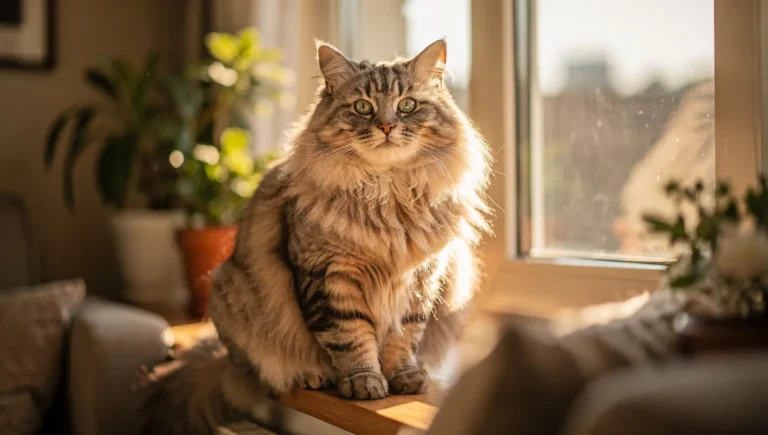

Persian cat care is often described as a labor of love, and for a good reason. These “glamour cats” of the feline world are famous for their flowing coats and sweet, pansy-like faces, but they aren’t your typical low-maintenance pets. While most cats are independent, the Persian thrives on a deep, almost royal level of attention and specialized care.
If you have recently welcomed one into your home, you probably realized that their needs—from their complex fur to their unique facial structure—require a specific roadmap. This guide is designed to simplify that process. We will walk you through everything from grooming secrets to the best diet, ensuring your fluffy companion lives a long, comfortable life.

Table of Contents
- 🧬 Persian Cat Characteristics: Beauty That Needs Maintenance
- 🔍 Physical Characteristics at a Glance
- 💕 The Gentle Soul: Personality & Temperament
- 🪮 Persian cat care: The Daily Routine You Can’t Skip
- 🗓️ The Essential Daily Brushing Routine
- 🛁 Bathing Your Persian Cat
- 👀 Eye & Face Cleaning (Critical for Flat-Faced Cats)
- ✂️ Sanitary Trims & Nail Care
- 📌 Grooming Checklist for Success
- 🍽️ Food for Persian Cat: Specialized Nutrition for a Unique Breed
- 🥩 Why Wet Food is Essential for Persians
- 🥫 The “Persian Jaw” & Commercial Choices
- ⚠️ Human Food & Safety
- 🏥 Persian cat care: Health Problems & Lifespan
- 🧬 Common Health Issues in Persian Cats
- ⏳ Persian Cat Lifespan: How Long Do They Live?
- 😺 Doll Face vs. Peke Face Persian: Which Is Right for You?
- 🧸 The Doll Face (Traditional Persian)
- 🧸 The Peke Face (Ultra-Typed)
- 📊 Side-by-Side Comparison
- ❓ Frequently Asked Questions About Persian Cat Care
🧬 Persian Cat Characteristics: Beauty That Needs Maintenance
Understanding Persian cat care starts with recognizing their unique physical traits. Unlike many athletic breeds, the Persian is built for comfort and elegance. They are medium-to-large cats with short, thick legs, a broad chest, and that unmistakable massive head.
🔍 Physical Characteristics at a Glance
- The Coat: Long, thick, and shimmering. It’s not just fur; it’s an undercoat and a topcoat that can grow up to several inches long.
- The Face: Round heads with small, rounded ears. Depending on the type, they may have a “Doll Face” (traditional) or a “Peke Face” (extremely flat).
- The Eyes: Large, expressive, and set wide apart, giving them a sweet, almost human-like expression.
💕 The Gentle Soul: Personality & Temperament
If you are looking for a cat that will do backflips off your curtains, a Persian is not for you. They are the “furniture with fur” of the cat world. Their personality is characterized by:
- Serenity: They prefer a quiet home and a predictable routine. Loud noises and chaotic environments can stress them out quickly.
- Affection: They are deeply loyal to “their” humans but can be shy or reserved around strangers.
- Low Activity: They are not huge climbers. You are more likely to find them lounging on the sofa than on top of the refrigerator.
💡 Expert Observation: Despite their quiet nature, Persians are surprisingly communicative. They use their large eyes and a very soft, melodic voice to tell you when it’s time for dinner or a much-needed brushing session.
Because they are so peaceful, you might wonder about their behavior in stressful moments. While they are rarely aggressive, it is helpful to understand why does my cat bite me if you notice any sudden changes in their typically calm mood.
🪮 Persian cat care: The Daily Routine You Can’t Skip
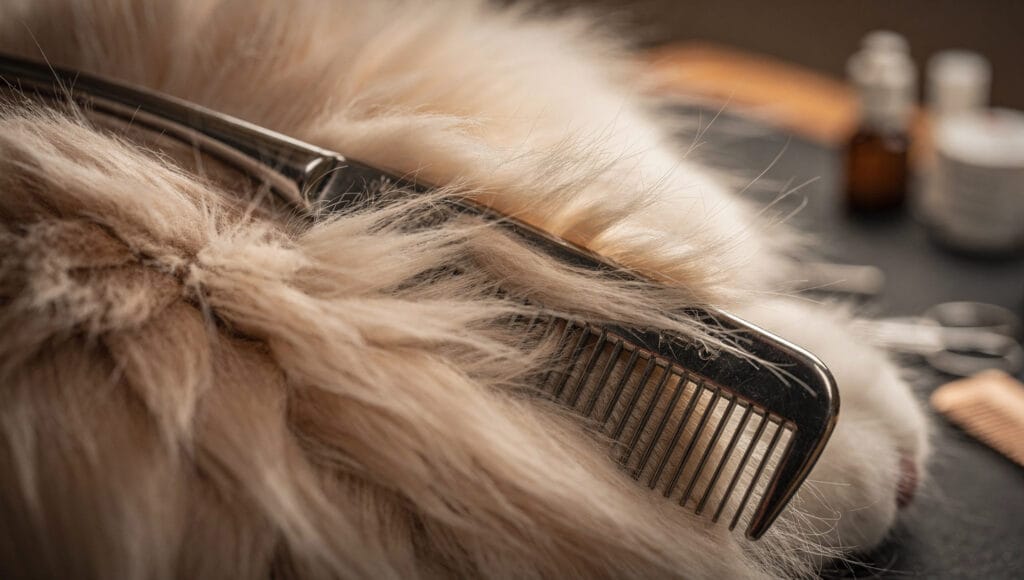
If there is one thing that defines Persian cat care, it is grooming. Their long, luxurious fur is beautiful, but it is also a magnet for tangles and mats. Without a strict routine, your cat’s coat can quickly become a painful mess of knotted hair that requires professional shaving.
Because their undercoat is so dense, a quick surface brush isn’t enough. You need to reach the skin to ensure the fur stays healthy and breathable.
🗓️ The Essential Daily Brushing Routine
Consistency is your best friend here. To keep the coat shimmering and mat-free, you should follow these steps:
- Use a Metal Comb: A fine-toothed metal comb is better than a brush for reaching the undercoat and detecting small knots before they grow.
- Focus on Friction Areas: Pay extra attention to the armpits, behind the ears, and the underside, as these areas mat the fastest.
- Build a Habit: Make brushing a relaxing bonding time. For a deeper dive into techniques, check out our guide on how to brush your cat without stress.
🛁 Bathing Your Persian Cat
Unlike most cats, Persians often need regular baths (every 4–6 weeks) to remove excess oil and keep their long fur from smelling or becoming greasy. To ensure a positive experience, you can follow our stress-free guide on how to bathe a cat properly. Here is the pro approach:
- Pre-Brush First: Never wet a matted Persian. Water tightens mats, making them impossible to remove.
- Cat-Specific Shampoo: Use a high-quality degreasing shampoo designed for long-haired breeds.
- The Drying Process: Use a professional pet dryer on a low, cool setting. Leaving a Persian damp can lead to skin infections and more tangles.
👀 Eye & Face Cleaning (Critical for Flat-Faced Cats)
Persians, especially the “Peke-face” variety, often suffer from overactive tear ducts. This results in “tear staining” which can cause skin irritation and an unpleasant odor.
- Daily Wiping: Use a warm, damp cotton ball or specialized eye wipes to clean the corners of the eyes every single day.
- Dry the Folds: Ensure the skin folds around the nose are kept dry to prevent bacterial growth.
⭐ Expert Tip: If your Persian has white or light-colored fur, daily eye cleaning is non-negotiable to prevent permanent reddish-brown staining on their face.
✂️ Sanitary Trims & Nail Care
To maintain hygiene, many owners opt for a “Sanitary Trim.” This involves keeping the fur around the hindquarters short to prevent litter box accidents from sticking to the coat. Additionally, keeping their claws in check is a vital part of Persian cat care to prevent them from getting snagged in the carpet or furniture.
Learn the safest way to do this in our guide on how to trim cat nails safely without stress or scratches.
📌 Grooming Checklist for Success
- Metal comb: Daily
- Eye wipes: Daily
- Sanitary trim: Every 4 weeks
- Professional bath: Every 6 weeks
🍽️ Food for Persian Cat: Specialized Nutrition for a Unique Breed
Choosing the right food for Persian cat breeds is more than just picking a brand from a shelf. Because of their unique brachycephalic (flat-faced) structure and long fur, their nutritional needs are significantly different from a standard short-haired cat. Nutrition is a cornerstone of overall Persian cat care.
Persians have a specific way of “picking up” kibble with the underside of their tongue, and their long coats require high levels of Omega fatty acids to prevent shedding and skin irritation.
🥩 Why Wet Food is Essential for Persians
Most experts agree that a diet rich in moisture is vital for this breed. Persians are genetically predisposed to kidney issues and urinary tract problems, making hydration a top priority. Understanding the benefits in our wet vs dry cat food guide can help you make the right choice.
| Feature | Wet Food | Dry Food (Kibble) |
|---|---|---|
| Hydration | High (75%+ water) | Low (Needs extra water) |
| Hairball Control | Better for digestion | Requires specific formulas |
| Ease of Eating | Easier to lap up | Requires almond-shaped kibble |
For more general tips on feline nutrition, you can explore our comprehensive guide on what do cats eat.
🥫 The “Persian Jaw” & Commercial Choices
If you prefer using dry kibble, brands like Royal Canin Persian have designed specific almond-shaped pieces. This shape makes it much easier for a flat-faced cat to grasp and chew properly. When selecting a commercial food for Persian cat health, look for:
- Omega-3 & Omega-6: To maintain that famous shimmering coat.
- Highly Digestible Proteins: To reduce stool odor and digestive upset.
- Fiber Content: To help naturally move swallowed hair through the digestive tract.
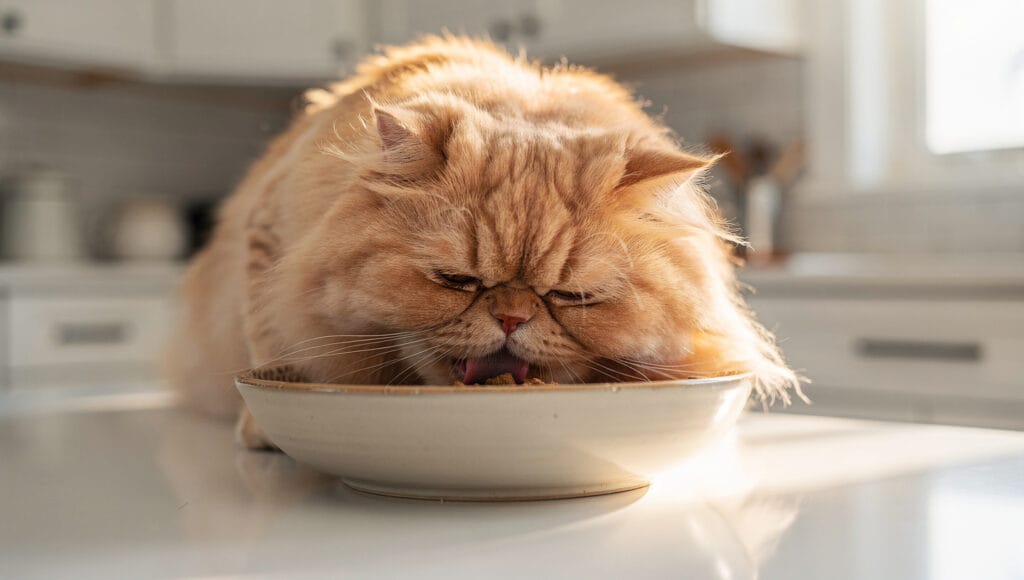
🏥 Expert Tip: Always use shallow, wide bowls. Deep or narrow bowls can cause “whisker fatigue” and make it physically difficult for a flat-faced Persian to reach their food comfortably.
⚠️ Human Food & Safety
While we all love to share a snack, many common human foods are toxic to cats. Always verify safety before giving your Persian a treat. Check out our list of safe human food for cats to avoid any emergency trips to the vet
🏥 Persian cat care: Health Problems & Lifespan
While Persian cat care focuses heavily on beauty and diet, understanding their health predispositions is what truly extends their life. Because Persians are a “man-made” breed with specific physical traits, they are susceptible to several hereditary and structural health issues.
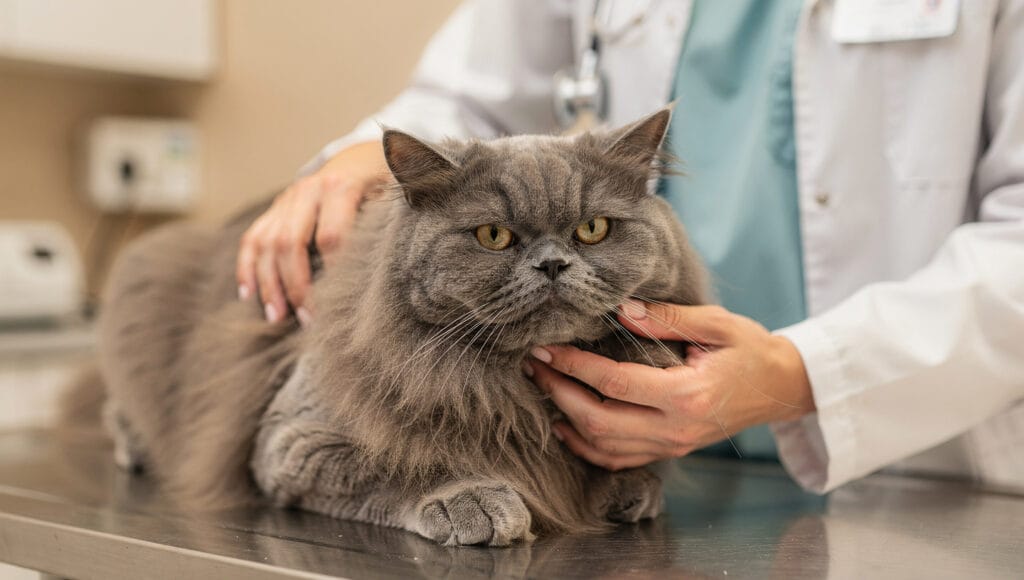
Being proactive with veterinary checkups and genetic testing can make the difference between a minor issue and a life-threatening condition.
🧬 Common Health Issues in Persian Cats
- Polycystic Kidney Disease (PKD): This is a hereditary condition where cysts form in the kidneys. It is the most significant health concern for the breed. Responsible breeders now test for the PKD gene to prevent its spread.
- Brachycephalic Syndrome: Their flat faces mean shorter nasal passages. This can lead to breathing difficulties, especially in hot weather or high-stress situations.
- Hypertrophic Cardiomyopathy (HCM): A common form of heart disease in cats where the heart walls thicken, affecting its ability to pump blood effectively.
- Progressive Retinal Atrophy (PRA): A genetic condition that can lead to early-onset blindness, typically appearing in kittens between 4 and 8 weeks old.
Special care is needed to avoid the sensitive quick inside the nail during grooming sessions.
⏳ Persian Cat Lifespan: How Long Do They Live?
On average, a well-cared-for Persian cat can live between 12 and 15 years. However, many indoor Persians reach their late teens or even early twenties with the right lifestyle. Factors that significantly influence their longevity include:
- Strict Indoor Lifestyle: Protecting them from diseases, predators, and accidents.
- Weight Management: Obesity puts immense pressure on their already sensitive joints and respiratory system.
- Preventative Care: Regular dental cleanings and blood work to catch kidney issues early.
Because Persians are low-energy and spend a vast amount of time resting, it’s important to distinguish between healthy rest and lethargy. To understand more about their resting habits, check out our guide on why do cats sleep so much.
🦷 Expert Tip: Since Persians are prone to dental crowding due to their flat faces, brushing their teeth 2-3 times a week is essential. Poor dental health is often the hidden culprit behind kidney and heart issues in senior Persians.
😺 Doll Face vs. Peke Face Persian: Which Is Right for You?
When diving into Persian cat care, you will notice two distinct facial structures. While they share the same long coat and gentle soul, their physical differences lead to very different day-to-day care requirements.
🧸 The Doll Face (Traditional Persian)
The Doll Face is the original look of the breed. They have a more prominent nose that sits below the eyes, giving them a more “natural” feline appearance.
- Health Advantage: Fewer breathing issues and less tear staining.
- Maintenance: Generally easier to keep clean and healthy.
🧸 The Peke Face (Ultra-Typed)
Named after the Pekingese dog, these cats have an extremely flat profile. Their nose is often level with their eyes, creating a deeply “crushed” look.
- Visual Appeal: Highly sought after for shows and aesthetic unique looks.
- Higher Risk: Prone to severe Brachycephalic Syndrome and constant eye drainage.
📊 Side-by-Side Comparison
| Feature | Doll Face | Peke Face |
|---|---|---|
| Breathing | Easy/Normal | Can be labored |
| Eye Tearing | Minimal | Heavy/Constant |
| Care Level | Moderate | High Maintenance |
❓ Frequently Asked Questions About Persian Cat Care
Is Persian cat care high maintenance?
Yes. Due to their daily grooming needs, eye cleaning, and specific dietary requirements, Persians are considered one of the most high-maintenance cat breeds. They are best suited for owners with plenty of time at home.
Do Persian cats shed a lot?
Yes, they shed significantly. However, a consistent daily brushing routine can capture most of the loose hair before it ends up on your furniture or leads to painful hairballs.
Are Persian cats good for apartments?
Absolutely. Their low energy levels and quiet temperament make them the perfect apartment dwellers. They prefer a peaceful indoor environment over outdoor adventures.
Experts often suggest following a recommended nail trimming frequency of every 2-4 weeks.
Caring for a Persian cat isn’t hard—it’s intentional. By committing to their unique grooming and health needs, you aren’t just maintaining a beautiful pet; you are ensuring a loyal, loving companion stays by your side for years to come.