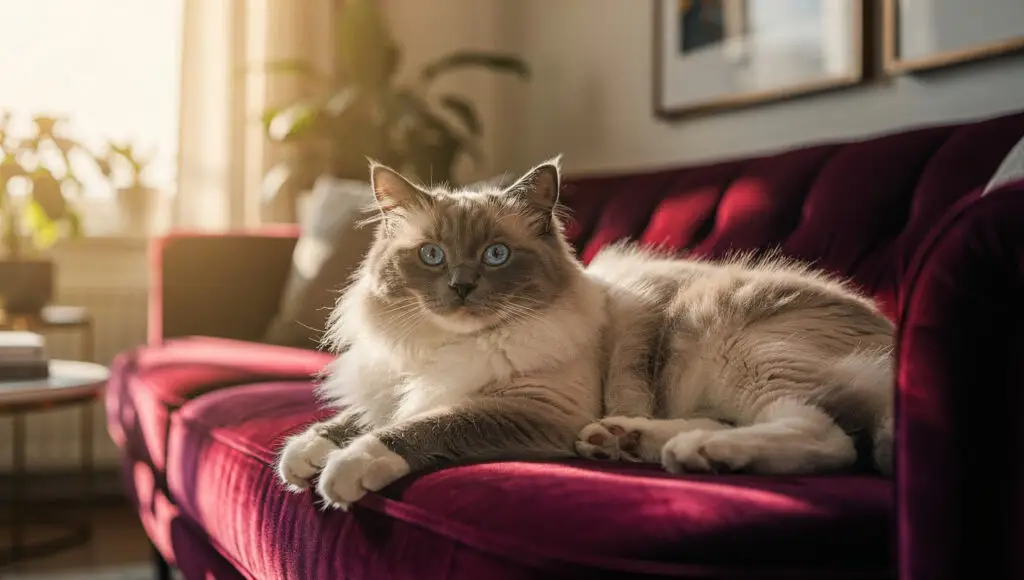
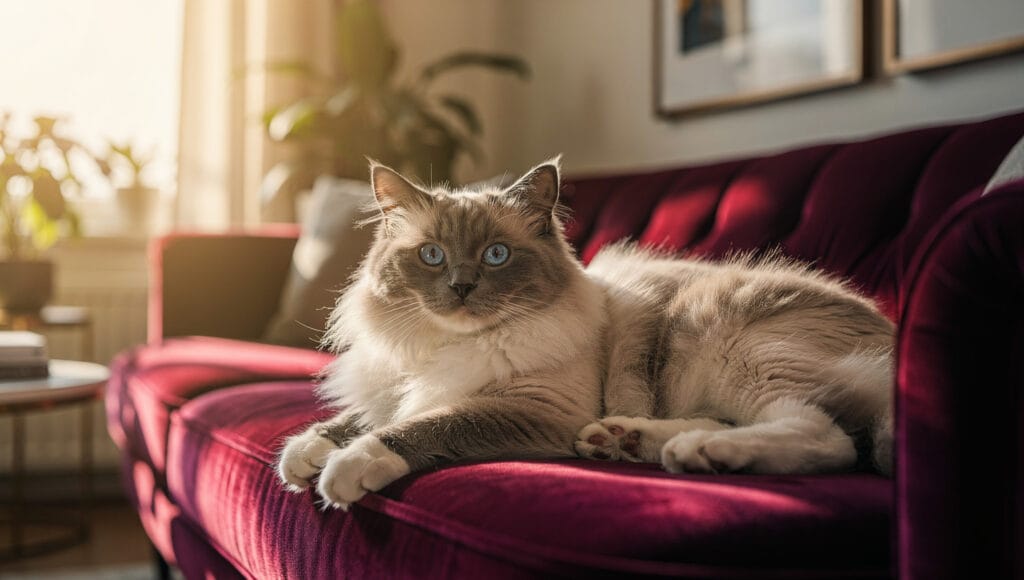
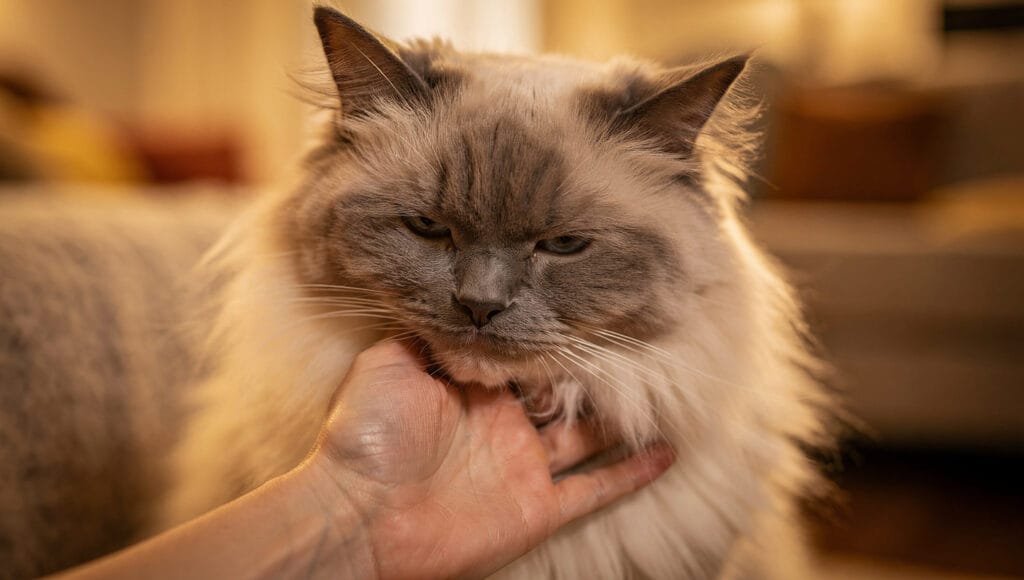
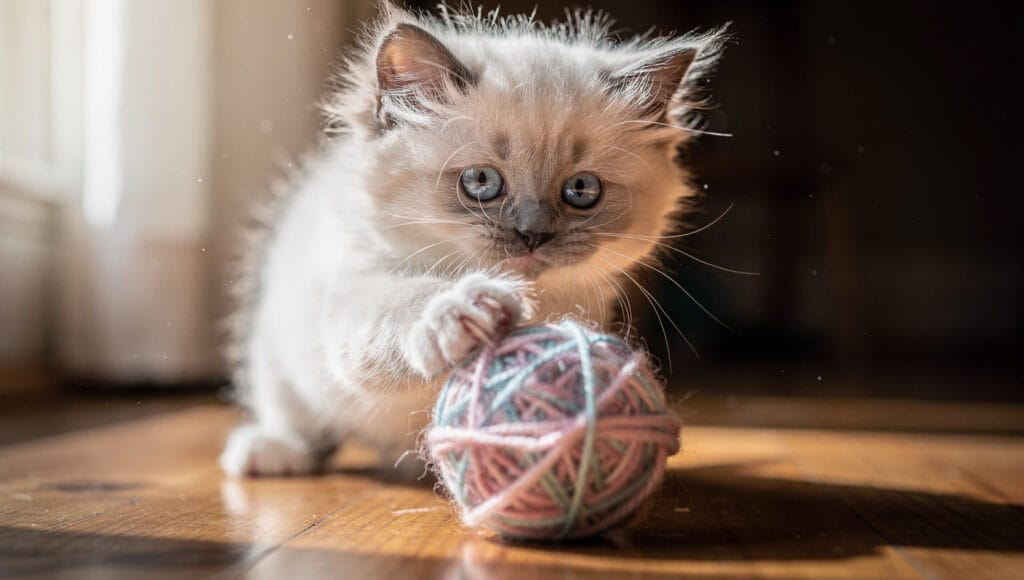
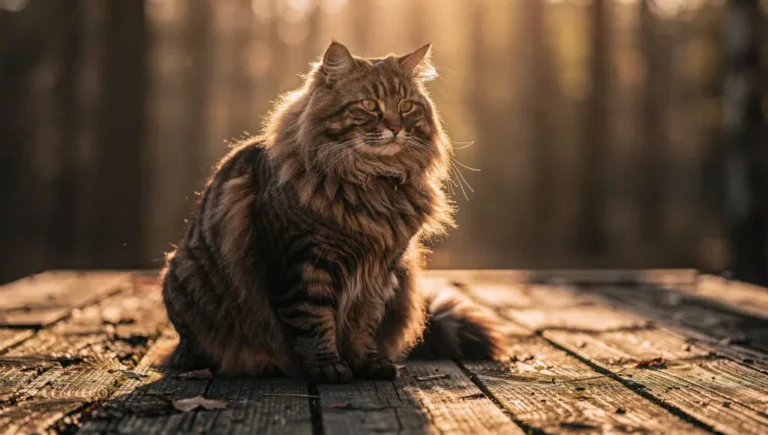
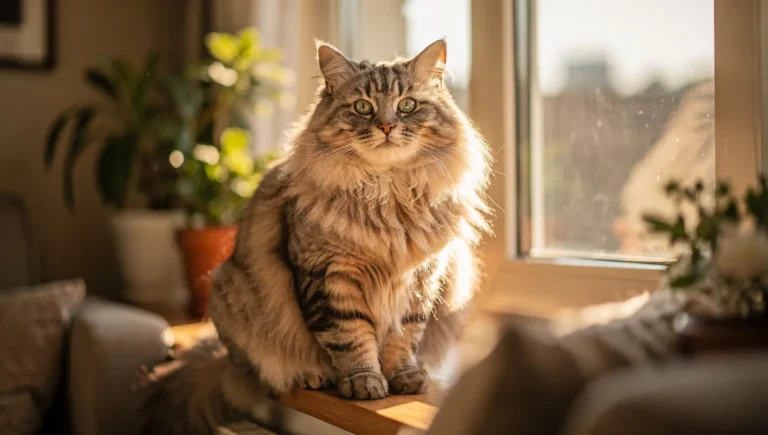
Ragdoll Cat Care begins with understanding that you aren’t just bringing home a pet; you are welcoming a “floppy,” blue-eyed shadow that thrives on human companionship. These gentle giants are famous for their docile nature, but providing the right environment is key to their happiness.
Whether you are a first-time owner or looking for specific Ragdoll cat care information, this guide will walk you through everything from their unique personality quirks to their specific health needs.
💡 Quick Summary
Ragdolls are large, semi-longhaired cats known for their calm temperament. Unlike many breeds, they often go limp when picked up—just like a rag doll—which is where they get their charming name.
🐾 The Ragdoll Temperament: Why They Are Called “Puppy-Cats”
The Ragdoll temperament is what truly sets this breed apart from the rest of the feline world. If you’ve ever dreamed of a cat that follows you from room to room like a loyal dog, the Ragdoll is your perfect match. They are often called “puppy-cats” because of their intense desire to be near their humans, often waiting by the door to greet you after a long day.
One of the most fascinating traits of this breed is their tendency to go completely limp when held. This unique relaxation response is more than just a quirk; it’s a sign of their immense trust and docile nature.
Why Ragdolls Are the Ultimate Family Pets:
Gentle Interaction: They are incredibly patient, making them one of the best breeds for households with children.
Social Butterflies: Unlike more solitary breeds, Ragdolls generally get along well with other pets, including dogs.
Emotional Intelligence: They are highly sensitive to their owner’s moods and often offer “cuddly” support when they sense you are stressed.
Quiet Communicators: While they aren’t as vocal as Siamese cats, they do communicate through soft chirps and body cues. Understanding cat tail language is essential to knowing exactly how your Ragdoll is feeling during these quiet moments.
🐈 Expert Tip
Because of their trusting nature and lack of “street smarts,” Ragdolls should strictly be indoor cats. They don’t always possess the aggressive instincts needed to defend themselves against outdoor threats.
Proper Ragdoll Cat Care starts in the kitchen. Because Ragdolls are one of the largest domesticated cat breeds, they have unique metabolic needs. Providing a high-protein, meat-based diet is non-negotiable for maintaining their muscle mass and heart health.
Since these cats are known for being relatively sedentary, obesity is a real risk. It is vital to monitor their calorie intake and avoid overfeeding. For a deeper look at what constitutes a balanced feline diet, check out our guide on what do cats eat to ensure your giant stays lean and healthy.
Key Nutritional Pillars for Ragdolls:
Animal Protein First: Look for real meat (chicken, turkey, or rabbit) as the first ingredient to support their large frame and muscle density.
Wet Food Benefits: Ragdolls often have a low thirst drive. Incorporating wet food into their diet helps prevent dehydration and urinary issues.
Controlled Portions: Avoid “free-feeding” to prevent your Ragdoll from becoming overweight, which puts unnecessary strain on their joints.
Nutrient Type
Why Your Ragdoll Needs It
Animal Protein
Critical for muscle maintenance and overall energy levels.
Omega Fatty Acids
Keeps their signature semi-long coat silky and reduces shedding.
Taurine
An essential amino acid for heart health, especially in large breeds.
Consider investing in a stainless steel water fountain. Ragdolls are fascinated by running water, and a fountain can significantly increase their daily water intake, protecting their kidneys in the long run.
🛁 Ragdoll Cat Maintenance: Keeping the Silky Coat Knot-Free
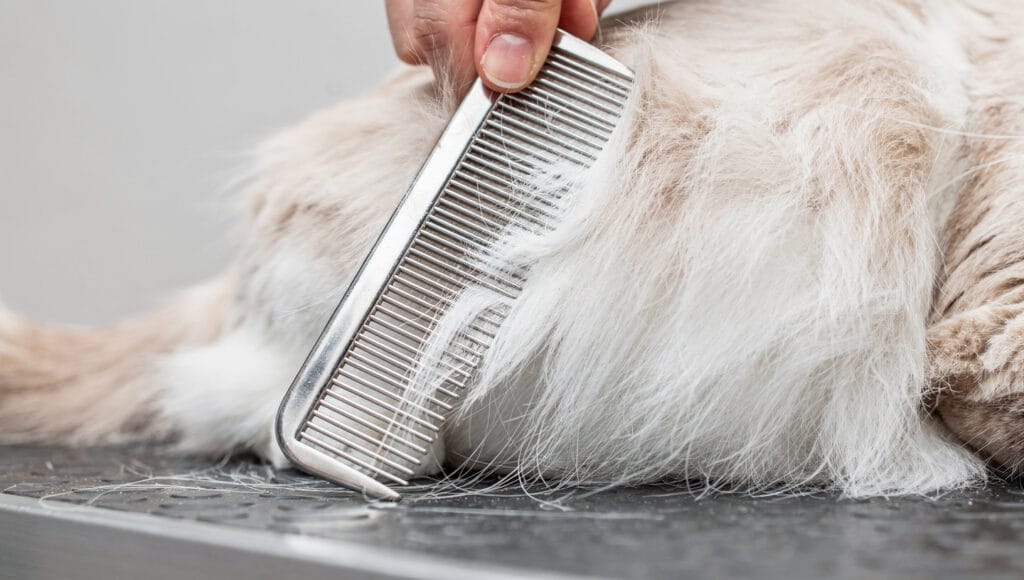
Effective Ragdoll cat maintenance is much easier than it looks, despite their luxurious, semi-long fur. Unlike many other long-haired breeds, Ragdolls lack a dense undercoat, which means they are less prone to heavy matting. However, their fur has a unique, rabbit-like texture that requires consistent attention to stay silky and debris-free.
To keep your cat looking its best, you should aim for a brushing session at least twice a week. This not only prevents tangles but also serves as a great bonding activity. For a step-by-step breakdown of the best techniques, refer to our guide on how to brush your cat without causing them any stress.
The Essential Ragdoll Grooming Routine:
Focus on Friction Points: Pay extra attention to the “armpits” and behind the hind legs, as these are the areas where knots typically form.
Eye Cleaning: Ragdolls can sometimes develop minor discharge. Use a soft, damp cloth to gently wipe the corners of their eyes.
Nail Care: Since they are indoor cats, their claws don’t wear down naturally. Learn how to trim cat nails safely to prevent them from snagging on your furniture or carpets.
Ear Checkups: Monthly ear inspections are vital to catch any signs of wax buildup or infection early.
Maintenance Task
Recommended Frequency
Tool Needed
Full Body Brushing
2-3 Times Weekly
Stainless steel comb or slicker brush
Nail Trimming
Every 2-3 Weeks
Pet-safe nail clippers
Teeth Brushing
Daily (or 3x weekly)
Feline toothbrush and enzymatic toothpaste
Ear Cleaning
Once Monthly
Vet-approved ear cleaner and cotton balls
💡 Expert Tip
Start the grooming process while your Ragdoll is still a kitten. By making “maintenance time” a rewarding experience with treats and praise, you’ll ensure they grow up to enjoy—rather than fear—the brush. For more professional advice on feline hygiene, you can visit the Cornell Feline Health Center.
🍼 Caring for a Ragdoll Kitten: The Critical First Months
Caring for a ragdoll kitten requires a lot of patience and a focus on long-term development. These kittens grow at a much slower rate than other breeds, often not reaching their full size and coat color until they are 3 or 4 years old. During these first few months, your priority is to provide a high-calorie diet and a secure environment where they feel safe to explore.
Nutrition is the most critical factor during this stage. Since they are growing rapidly, you must ensure they get enough nutrients. You might wonder, “what can cats eat?” when it comes to human treats, but for a kitten, sticking to high-quality growth-formula kitten food is the safest path to a healthy adult life.
Essential Steps for Your New Kitten:
Socialization is Key: Ragdolls are social by nature, but they need positive early experiences. Spend at least 30 minutes a day in focused play to build a strong bond.
Safe Exploration: Kitten-proof your home by removing small objects they could swallow and ensuring heavy furniture won’t tip over.
Behavioral Milestones: You’ll notice your kitten starting to “make biscuits” on your lap. This is a sign of comfort; you can learn more about why do cats knead to understand this sweet bonding behavior.
Litter Training: Most Ragdoll kittens learn quickly, but ensure the litter box has low sides so their small legs can easily climb in.
🏠 Expert Tip
Ragdoll kittens can be quite clumsy as they adjust to their growing bodies. Avoid high cat trees in the first few months. Instead, opt for low, sturdy scratching posts and floor-level beds to prevent any accidental falls. For more on early feline development, check the ASPCA Kitten Care Guide.
🏥 Health and Preventive Care Information
Accessing reliable Ragdoll cat care information is the first step in ensuring your companion lives a long and healthy life. While Ragdolls are generally robust, they are genetically predisposed to certain conditions that every owner should be aware of. Early detection through regular veterinary screenings is the most effective way to manage these risks.
Two primary concerns for the breed are Hypertrophic Cardiomyopathy (HCM), a condition where the heart muscle thickens, and Polycystic Kidney Disease (PKD). Responsible breeders usually screen for these genes, but keeping a close eye on your cat’s daily behavior remains essential for preventive health.
Common Health Concerns to Watch For:
Heart Health (HCM): Look for signs of lethargy or difficulty breathing. Regular ultrasounds are recommended for aging Ragdolls.
Kidney & Bladder Issues: Ragdolls can be prone to urinary stones. If you notice your cat acting out or urinating in unusual places, explore our guide on why does my cat pee on the bed to distinguish between medical and behavioral issues.
Weight Management: Their large frame can hide weight gain. Obesity puts immense pressure on their joints and can lead to diabetes.
Dental Hygiene: Like all cats, Ragdolls can develop periodontal disease. Aim for professional cleanings and at-home brushing to prevent painful extractions.
📊 Vital Signs Overview:
Health Metric
Normal Range for Ragdolls
Frequency of Check
Average Weight
10–20 lbs (Males are larger)
Monthly weigh-ins
Hydration Level
Elastic skin & moist gums
Daily observation
Grooming Habits
Smooth coat, no heavy matting
Weekly inspection
Vet Visits
Annual (Bi-annual for seniors)
Every 6-12 months
🩺 Expert Tip
Ragdolls are notorious for having a high pain tolerance, which means they might not show obvious signs of illness until a condition is advanced. Pay close attention to subtle changes in their appetite or energy levels. For more detailed medical guidelines, visit the American Association of Feline Practitioners (AAFP).
🏠 Creating a Ragdoll-Friendly Home Environment for Optimal Ragdoll Cat Care
Ragdoll Cat Care involves more than just food and grooming; it’s about creating a sanctuary that respects their unique physical traits. Unlike many other breeds that love to scale the highest curtains, Ragdolls are often “floor-dwellers.” They prefer being close to the ground or on low-level furniture where they feel secure and stable.
Because of their heavy bodies and sometimes clumsy nature, your home layout should prioritize safety and accessibility. A happy Ragdoll is one that can easily find a soft spot to lounge near their favorite human.
How to Ragdoll-Proof Your Home:
Low-Level Vertical Space: Instead of floor-to-ceiling towers, choose sturdy, wide-based scratching posts and low-profile cat trees.
Soft Landing Zones: Since Ragdolls can be heavy and may “flop” suddenly, ensure they have soft rugs or beds in their favorite resting spots to protect their joints.
Safe Exploration: Keep your windows secured with sturdy screens. Ragdolls are curious but lack the quick reflexes of more agile breeds.
The Indoor Mandate: Due to their docile nature, they lack the “street smarts” to handle predators or traffic. Keeping them indoors is a cornerstone of responsible ownership.
🌟 Enrichment & Happiness:
Feature
Why Ragdolls Love It
Recommendation
Interactive Toys
Stimulates their “puppy-like” play drive.
Feather wands and soft balls.
Window Perches
Provides mental stimulation safely.
Wide, padded sills.
Quiet Retreats
Necessary for their long naps.
Covered plush beds.
💡 Expert Tip
Ragdolls are deeply social. If you work long hours, consider getting a second cat to keep them company. They form deep bonds with their companions, and you might notice them communicating through gentle vibrations; learn more about why do cats purr to understand how they express contentment in their home. For professional advice on home enrichment, visit International Cat Care.
❤️ Final Thoughts on Welcoming a Ragdoll Into Your Life
Embracing the journey of Ragdoll Cat Care is a decision that brings immense joy and a unique kind of companionship into any home. These cats aren’t just pets; they are gentle soulmates that offer unconditional love and a calming presence. By prioritizing their nutritional needs, keeping up with their grooming, and respecting their docile temperament, you ensure that your “gentle giant” thrives for years to come.
The bond you’ll build with a Ragdoll is unlike any other. Whether they are flopping in your arms or following you from room to room, every moment spent with these blue-eyed beauties is a testament to why they remain one of the most beloved breeds in the world.
❓ Frequently Asked Questions (FAQs)
How long do Ragdoll cats usually live?
With proper Ragdoll Cat Care, these cats typically live between 12 to 15 years. Some healthy individuals even reach their late teens with regular vet checkups and a high-quality diet.
Are Ragdoll cats high maintenance?
They are moderate maintenance. While their fur is long, it doesn’t mat as easily as a Persian’s. Brushing them twice a week and keeping up with nail trimming is usually enough to keep them in top shape.
Do Ragdoll cats shed a lot?
Yes, they do shed, especially during seasonal changes (spring and fall). Regular grooming significantly reduces the amount of loose fur around your home.
Why does my Ragdoll follow me everywhere?
This is a classic trait of the Ragdoll temperament. They are highly social and “people-oriented,” often preferring to be in the same room as their owners at all times. If you find their behavior a bit intense or if they nip at your heels, you might want to read about why does my cat bite me to understand their communication style.
Can Ragdolls be left alone during the day?
While they are independent enough to stay home while you work, they do not do well with long periods of isolation. If you are away frequently, providing a feline companion or plenty of interactive toys is essential for their mental health. Understanding why do cats sleep so much can also help you realize that they spend much of your absence resting!
A cat enthusiast dedicated to feline well-being. Here, I share the insights of my experience in understanding cat body language, behavior modification, and selecting the best preventative diets. My goal is to make cat ownership a joyful and seamless experience through simple, effective tips that prioritize prevention over cure.