
When I first started looking for the best dry cat food brands, I genuinely thought all kibble was basically the same.
Seriously.
If the bag had the words “high protein,” a mountain lion on the front, and a cat that looked emotionally stable… I was sold.
Meanwhile, my friends Jake and Melissa — the kind of people who read ingredient labels for fun — kept warning me: “Dude… not all kibble is created equal.”
Naturally, I ignored them.
Because obviously I knew better.
Fast-forward a few months: my cat started drinking way more water than usual. Random vomiting. Weird bathroom habits. And that dramatic 3AM stare from across the room — like I had personally betrayed her ancestors.
And suddenly there I was… sitting in a coffee shop with Jake, nodding along while secretly Googling “what is ash content in cat food” under the table.
That’s when I realized something almost no cat food review explains:
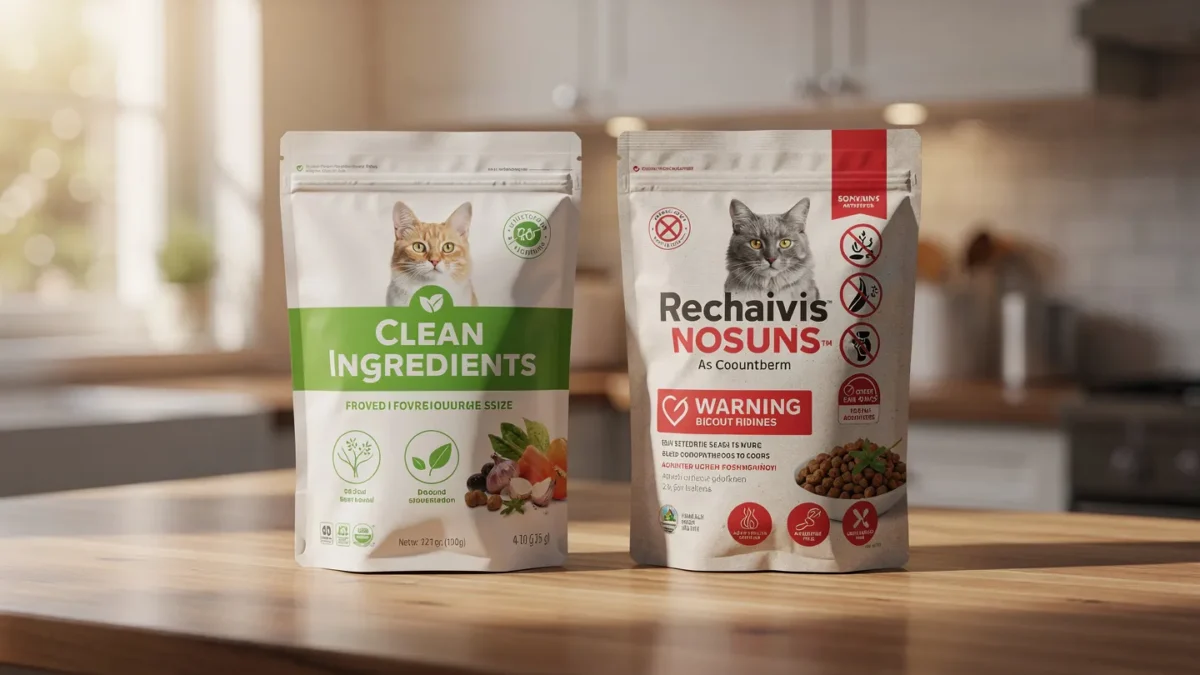
Two dry cat food bags can look nearly identical on the shelf… while being completely different in quality.
Quick heads-up: This article is based on personal experience and research from trusted sources like ASPCA and PetMD. It’s for informational purposes only and isn’t a substitute for advice from your vet — especially if your cat has a specific health condition.
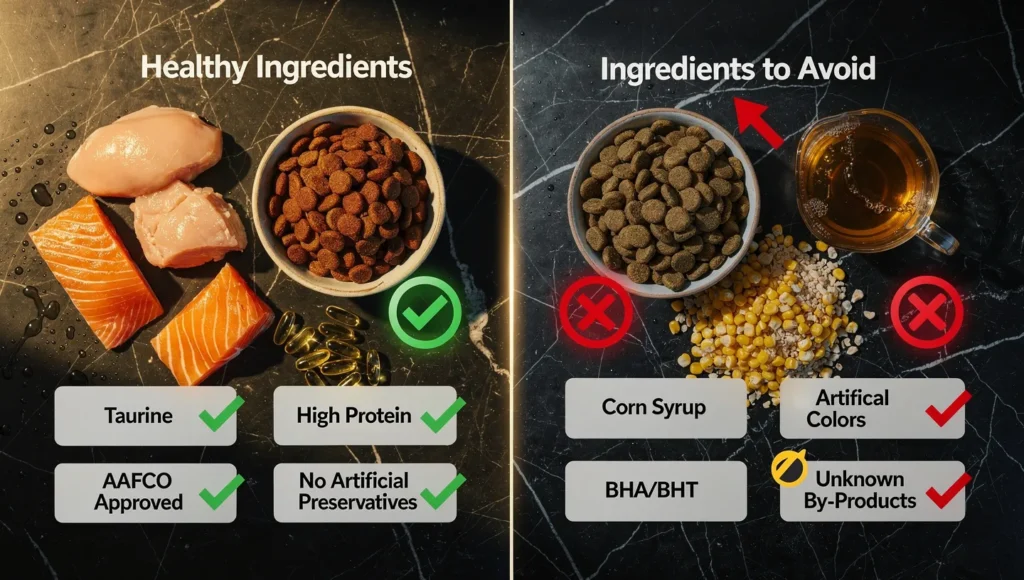
Table of Contents
- Is Dry Cat Food Actually Bad?
- Quick Snapshot: Best Dry Cat Food Brands at a Glance
- How to Read a Dry Cat Food Label (Before You Trust Any Brand)
- Best Dry Cat Food Brands — The Real Breakdown
- Best Overall: Royal Canin
- Best for Indoor Cats: Hill’s Science Diet Indoor
- Best for Sensitive Stomach: Purina Pro Plan Sensitive Skin & Stomach
- Best for Senior Cats: Blue Buffalo Healthy Aging
- Best for Kittens: Iams Proactive Health Kitten
- Best High Protein: Orijen Original
- Best Budget Pick: Purina ONE True Instinct
- Dry Cat Food Brands to Avoid (And Why)
- 🚩 Ingredients That Should Worry You
- Brands That Consistently Raise Red Flags
- How Much Dry Food Should You Actually Feed Your Cat?
- The Hydration Problem Nobody Talks About Enough
- Frequently Asked Questions
- Is dry cat food bad for cats?
- Can cats live on dry food only?
- Which of the best dry cat food brands do veterinarians actually recommend?
- What’s the best dry cat food for weight loss?
- Is grain-free dry cat food actually safer?
- What ingredients should I always avoid in dry cat food?
- The Bottom Line (From One Cat Owner to Another)
Is Dry Cat Food Actually Bad?
The truth is, finding the best dry cat food brands isn’t just about the price—it’s about knowing what to ignore. Dry cat food isn’t automatically dangerous — the real issues are low moisture content, poor ingredient quality, and feeding habits most owners never learn about.
Honestly, this is where most cat owners get confused. You Google “is dry food bad for cats” and you get seventeen different answers, half of them trying to sell you something.
Here’s the thing.
The problem was never really “dry food vs. wet food.” The problem is
what’s inside the bag — and whether your cat is getting enough hydration alongside it. A high-quality kibble from a brand that meets AVMA nutritional standards is genuinely different from the bargain bag with corn syrup listed as the third ingredient.
Cats are obligate carnivores. Their bodies are built to get most of their moisture from food — which is why wet food has real advantages for hydration. But that doesn’t mean dry food can’t be part of a healthy, balanced routine. It just means you have to choose smarter.
Most people get this wrong: they assume the price tag = quality. It doesn’t.
A $40 bag of kibble can still be full of fillers. And a reasonably priced brand can meet AAFCO nutritional standards while keeping your cat genuinely healthy.
Quick Snapshot: Best Dry Cat Food Brands at a Glance
Before we go deep, here’s a quick look at the brands that actually hold up:
| Category | Brand | Why It Stands Out |
|---|---|---|
| Best Overall | Royal Canin | Breed-specific formulas, vet-trusted |
| Best for Indoor Cats | Hill’s Science Diet Indoor | Controlled calories, hairball support |
| Best for Sensitive Stomach | Purina Pro Plan Sensitive | Single protein, easy digestion |
| Best for Senior Cats | Blue Buffalo Healthy Aging | Joint support, real chicken |
| Best for Kittens | Iams Proactive Kitten | DHA, high protein, AAFCO-approved |
| Best High Protein | Orijen Original | 85% animal ingredients, no fillers |
| Best Budget Pick | Purina ONE True Instinct | Solid nutrition without the markup |
We’ll break each one down properly in a moment. But if you’re in a hurry — that table is your cheat sheet.
How to Read a Dry Cat Food Label (Before You Trust Any Brand)
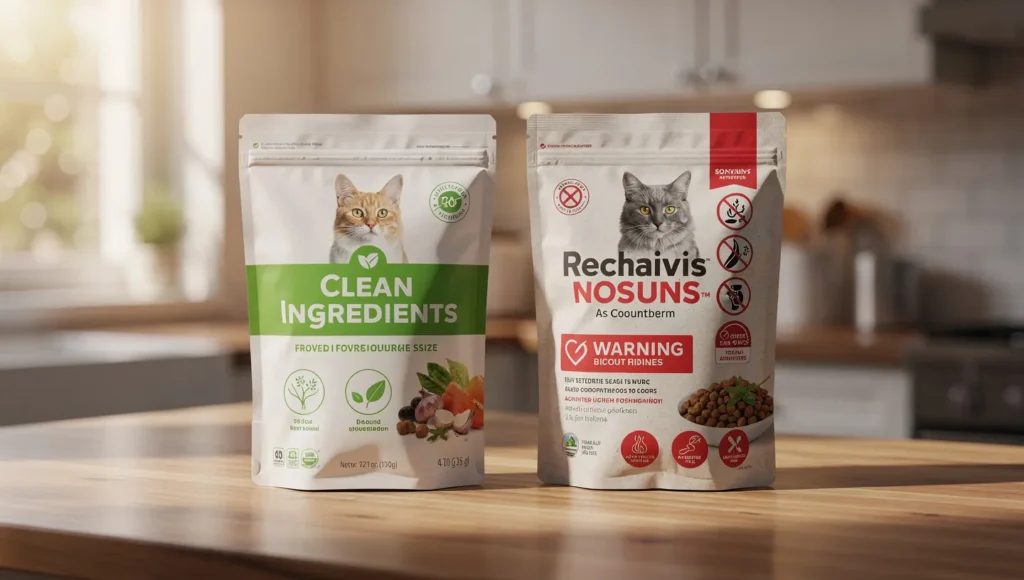
The single most powerful thing you can do before buying any bag of kibble? Read the label. Not the front. The back.
This is where things change.
I used to stare at ingredient lists and feel like I needed a chemistry degree. But once Jake walked me through it (yes, the same Jake I ignored for months), it actually clicked pretty fast.
Here are the three things that matter most:
1. The first ingredient should be a named meat
Not “meat meal.” Not “animal by-products.” Look for chicken, turkey, salmon — something specific.
According to ASPCA cat nutrition guidelines, cats need high levels of animal-based protein to thrive. If the first ingredient is corn, wheat, or a vague “meat” source — that’s your first red flag.
2. Watch out for fillers and vague by-products
Ingredients like corn gluten meal, soy, and unspecified “meat by-products” are common in lower-quality foods. They’re not always toxic — but they’re often used to bulk up the protein percentage on the label without delivering real nutritional value.
This is where reading cat food labels becomes genuinely useful. Once you know what you’re looking at, the difference between a quality formula and a marketing gimmick becomes obvious fast.
3. Look for taurine — always
Taurine is an essential amino acid that cats cannot produce on their own. A dry cat food that doesn’t list taurine as a supplement? Skip it. Taurine deficiency can lead to serious heart and eye problems over time, and it’s one of those things that won’t show up until it’s already done damage.
Personally, I’d also suggest checking whether the brand meets AAFCO (Association of American Feed Control Officials) standards. Look for the phrase “complete and balanced” on the packaging — it means the formula has been tested or formulated to meet minimum nutritional requirements for your cat’s life stage.
From my experience, spending ten extra minutes reading labels once saves you a lot of vet bills later.
Best Dry Cat Food Brands — The Real Breakdown
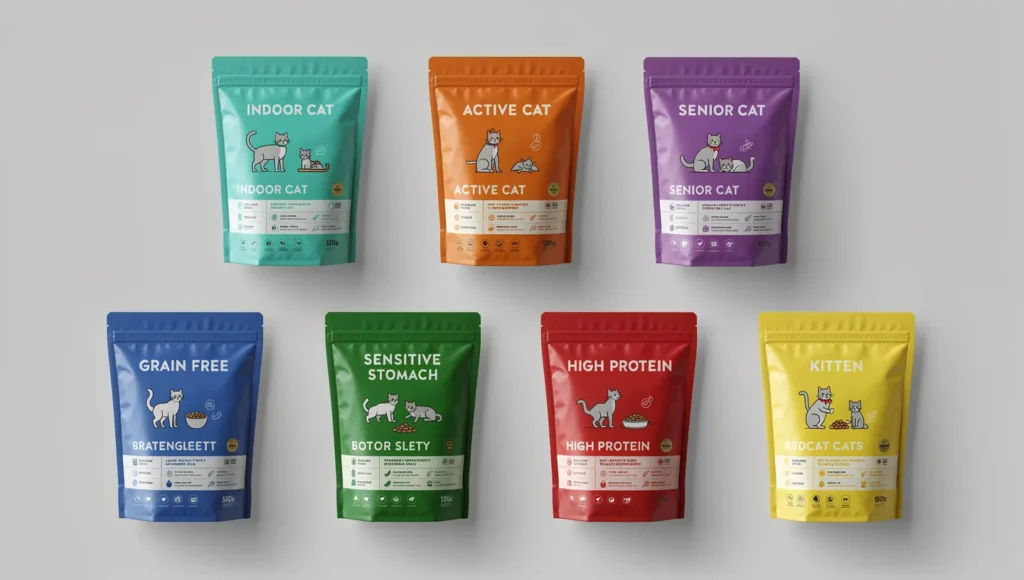
Okay. Now we get into the heart of the matter: which of the best dry cat food brands actually deserve your trust (and your money)?
I’m not going to throw ten brands at you and call it a day. Instead, let’s go through each category with the honest reasoning behind it — the stuff most “best of” lists skip entirely.
Best Overall: Royal Canin
If there’s one brand that comes up consistently in conversations with veterinarians, it’s Royal Canin. And I’ll be honest — for a long time I dismissed it as “overpriced.”
I was wrong.
What makes Royal Canin stand out isn’t flashy marketing. It’s the breed-specific and condition-specific formulas that are actually backed by nutritional research. Whether your cat is a Persian with digestive sensitivities or a Maine Coon with joint concerns, there’s likely a formula designed specifically for them.
It meets AAFCO standards across the board, and the ingredient quality is consistent. Is it cheap? No. But for cats with specific health needs, it often delivers results you can actually see.
Best for Indoor Cats: Hill’s Science Diet Indoor
Indoor cats have a specific problem most owners underestimate: they move less, eat the same amount, and slowly gain weight without anyone noticing until the vet says something uncomfortable.
Hill’s Science Diet Indoor is formulated with controlled calorie levels and added fiber for hairball management — two things that matter a lot for cats that spend their days napping on your keyboard.
It’s also one of the most consistently vet-recommended options for indoor cats, and the ingredient list holds up well under scrutiny. Real chicken as the first ingredient. No corn syrup. No artificial preservatives.
Best for Sensitive Stomach: Purina Pro Plan Sensitive Skin & Stomach
This one I can speak to personally.
After my cat’s vomiting episodes became a pattern, my vet suggested trying a single-protein formula. Purina Pro Plan Sensitive was the recommendation — salmon and rice, nothing complicated.
Within about three weeks, the random vomiting dropped significantly.
Now, I’m not saying it’ll work for every cat — digestive issues can have a lot of causes — but if your cat has a sensitive stomach and you haven’t tried simplifying the protein source, it’s worth a serious look.
The formula includes prebiotic fiber, meets AAFCO standards, and avoids the common fillers that often trigger digestive flare-ups.
Best for Senior Cats: Blue Buffalo Healthy Aging
Senior cats — generally 7 years and older — have different nutritional needs. Their kidneys work harder, their joints start to feel the years, and their ability to absorb certain nutrients changes.
Blue Buffalo Healthy Aging uses real chicken as the first ingredient, includes glucosamine for joint support, and keeps the phosphorus levels moderate — which matters for kidney health in older cats.
It’s not perfect for every senior cat (cats with advanced kidney disease often need prescription diets), but as a general formula for aging cats without serious conditions, it holds up well.
Best for Kittens: Iams Proactive Health Kitten
Kittens need more protein, more calories, and more DHA than adult cats. Their brains and bodies are building from scratch, and what they eat in the first year shapes a lot of their health later.
Iams Proactive Health Kitten checks the important boxes: real chicken first, DHA from fish oil for brain development, and an AAFCO statement specifically for “growth” — which means it’s formulated for kittens, not just labeled as such.
It’s also genuinely affordable, which matters when you’re feeding a kitten multiple small meals throughout the day.
If you’re just starting out, the kitten care guide covers feeding schedules and portion sizes in detail.
Best High Protein: Orijen Original
Orijen is what happens when a brand takes the “cats are obligate carnivores” thing seriously — like, very seriously.
85% animal ingredients. Multiple protein sources (chicken, turkey, fish). No corn, no wheat, no soy. Freeze-dried liver coating on each kibble piece.
It’s expensive. There’s no way around that.
But if you have an active cat, a picky eater who turns their nose up at anything that doesn’t smell like actual prey, or a cat recovering from weight loss — Orijen delivers on its promises. Just introduce it slowly, because the protein density can cause digestive upset if you switch too fast.
Best Budget Pick: Purina ONE True Instinct
Here’s the thing about budget cat food — there’s a difference between affordable and cheap. Purina ONE True Instinct lands firmly in the affordable category.
Real turkey as the first ingredient. No artificial flavors or preservatives. Solid protein percentage. Meets AAFCO standards for adult maintenance.
Is it Orijen? Obviously not. But for everyday feeding without compromising on the basics, it’s one of the better values on the market right now.
Dry Cat Food Brands to Avoid (And Why)
This is the section most reviews of the best dry cat food brands skip—probably because it’s harder to monetize a “don’t buy this” list. — probably because it’s harder to monetize a “don’t buy this” list.
But honestly? This might be the most important part of this entire article.
Most people get this wrong: they assume FDA approval means a product is high quality. It doesn’t. It means it passed a minimum safety threshold. That’s a very different thing.
Here are the red flags to watch for — and some brands consistently associated with them:
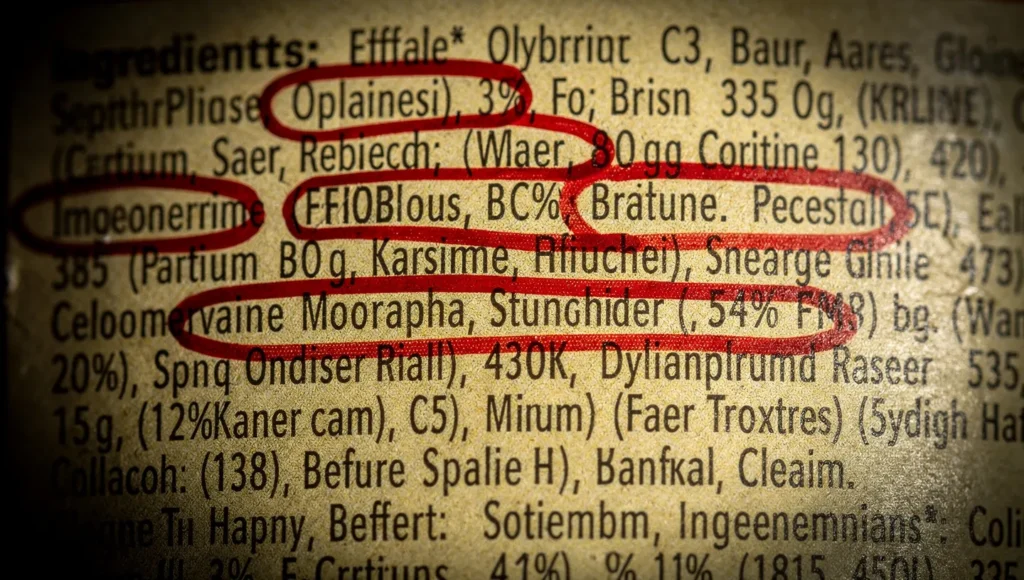
🚩 Ingredients That Should Worry You
BHA and BHT
These are synthetic preservatives used to extend shelf life. The ASPCA and several veterinary nutrition groups have raised concerns about their long-term effects. Natural alternatives like mixed tocopherols (vitamin E) exist — there’s really no reason to accept BHA or BHT in a quality formula.
Artificial colors and dyes
Your cat does not care if their kibble is orange or green. Artificial colors like Red 40, Yellow 5, and Blue 2 serve zero nutritional purpose. They’re there to make the food look more appealing to you, not your cat. Any brand using artificial dyes is prioritizing marketing over nutrition.
Propylene glycol
Sometimes found in semi-moist formulas, this additive has been flagged by the ASPCA as potentially harmful to cats specifically — even though it’s approved for use in dog food.
Corn syrup and sugar
Cats have no metabolic need for sugar. Finding corn syrup in a cat food ingredient list is a sign the manufacturer is prioritizing palatability (getting your cat addicted to the taste) over actual nutrition.
Unspecified “meat” or “animal” by-products
There’s a difference between named by-products (like “chicken by-products,” which can include organ meats with real nutritional value) and vague “animal by-products” with no source identified. The second one? Walk away.
Brands That Consistently Raise Red Flags
Without naming specific products as universally dangerous (because formulas change and recalls happen), some brands that frequently appear with these problematic ingredients include:
- Meow Mix Original — high carbohydrate content, artificial
flavors, corn-heavy formula - Friskies Dry — artificial colors, low meat content, multiple
fillers - 9Lives — consistently low protein percentages, artificial
preservatives - Ol’ Roy (Walmart brand) — minimal nutritional standards, heavy
filler content
Important: Always check current formulas and recall lists. A brand that had issues in 2023 may have reformulated — and vice versa. The FDA maintains an updated pet food recall database worth bookmarking.
And if you want to go deeper on what makes certain ingredients dangerous for cats specifically, the human foods toxic to cats guide covers a lot of overlapping territory worth knowing.
How Much Dry Food Should You Actually Feed Your Cat?
Even after choosing one of the best dry cat food brands, many owners struggle with the most important part: the portion size. — and honestly, where I made my biggest mistakes early on.
Most people (myself included) just… fill the bowl. Then refill it when it’s empty. Then wonder why their cat is gaining weight and drinking three times more water than usual.
Here’s the thing.
Dry food is calorie-dense. A cup of kibble can contain anywhere from 300 to 500 calories depending on the formula. For an average indoor cat that weighs around 10 pounds and moves approximately from the couch to the food bowl and back — that adds up fast.
A general starting point most vets use:
| Cat Weight | Daily Dry Food Amount |
|---|---|
| 5–7 lbs | ¼ to ⅓ cup |
| 8–10 lbs | ⅓ to ½ cup |
| 11–13 lbs | ½ to ⅔ cup |
| 14+ lbs | Talk to your vet |
Split this into two meals daily rather than free-feeding. Your cat’s digestion — and waistline — will thank you.
But here’s what the table doesn’t tell you.
The Hydration Problem Nobody Talks About Enough
Dry food contains roughly 10% moisture. Your cat’s natural prey — mice, birds, small animals — contains about 70% moisture.
That gap is real. And for cats that eat primarily dry food, it quietly creates a chronic low-level dehydration that can strain the kidneys and urinary tract over months and years.
I learned this the hard way. After switching my cat to a higher-quality kibble, I noticed she was still drinking more water than seemed normal. Turned out, the dry food — even the good stuff — just wasn’t giving her enough moisture on its own.
Two things helped immediately:
1. A cat water fountain
Cats are instinctively drawn to moving water. Something about still water triggers their “this might not be safe” instincts — which is adorable and inconvenient at the same time. A simple fountain dramatically increased how much my cat drank daily. If you want the full strategy, the cat hydration guide breaks it down better than I can here.
2. Bone broth as a topper
This one surprised me. Adding a small amount — about a tablespoon — of unsalted, onion-free bone broth over dry kibble does two things: it adds moisture, and it makes even picky eaters suddenly very interested in their bowl.
The key is using a formula that’s actually safe for cats — no onion, no garlic, no added sodium. The bone broth for cats guide has a simple homemade recipe that costs almost nothing and takes about 20 minutes.
From my experience, this combination — quality dry food + fountain water + occasional bone broth topper — is probably the most practical setup for cats that prefer kibble but need better hydration.
And if your cat is struggling with weight alongside all of this, the
cat weight loss guide has a calorie calculation method you can actually do at home without a nutrition degree.
Frequently Asked Questions
Is dry cat food bad for cats?
Not inherently — but it comes with real limitations. The main issues
are low moisture content and inconsistent ingredient quality across brands. A high-quality dry food from a reputable brand, paired with good hydration habits, can absolutely be part of a healthy diet. The problem is most people pair low-quality kibble with zero hydration strategy and call it a day.
Can cats live on dry food only?
Technically yes — cats have done it for decades. But “surviving” and
“thriving” are different things. Cats on exclusively dry diets are
statistically at higher risk for urinary tract issues, kidney stress, and obesity. If dry food is your primary choice, invest in hydration solutions. A water fountain and the occasional wet food meal go a long way. You can read more about signs of UTI in cats if you’re concerned about urinary health specifically.
Which of the best dry cat food brands do veterinarians actually recommend?
Most vets point toward brands that meet AAFCO standards and have
undergone feeding trials — not just formulation testing. Royal Canin,
Hill’s Science Diet, and Purina Pro Plan come up most consistently in veterinary circles. That doesn’t mean other brands aren’t good — but those three have the research behind them.
What’s the best dry cat food for weight loss?
Look for a formula with high protein, moderate fat, and lower
calorie density. Hill’s Science Diet Perfect Weight and Purina Pro
Plan Weight Management are solid starting points. But portion control honestly matters more than the brand — even the “best” weight management food won’t help if you’re overfeeding it.
Is grain-free dry cat food actually safer?
This one’s complicated. Grain-free became a huge trend, but the FDA
has been investigating a possible link between grain-free diets and dilated cardiomyopathy (DCM) in dogs — and some concern has extended to cats. The science isn’t settled yet. Unless your cat has a diagnosed grain allergy (which is actually rare), there’s no strong evidence that grain-free is meaningfully safer than a quality grain-inclusive formula.
What ingredients should I always avoid in dry cat food?
At minimum: BHA, BHT, propylene glycol, artificial colors (Red 40,
Yellow 5), corn syrup, and unspecified “animal by-products.” For a more complete breakdown, the human foods toxic to cats guide covers a lot of the overlapping danger zones worth knowing.
The Bottom Line (From One Cat Owner to Another)
Okay. So.
Jake and Melissa — if you’re somehow reading this — you were right.
About all of it. The labels, the fillers, the hydration thing, the “not all kibble is created equal” speech you gave me approximately forty-seven times.
I’m sorry it took me a vomiting cat and an embarrassing coffee shop Google session to finally listen.
For everyone else reading this: you don’t have to make the same mistakes I did. The difference between the best dry cat food brands and the ones that cause health issues isn’t always obvious from the packaging. isn’t always obvious from the packaging — but once you know what to look for, it’s surprisingly easy to spot.
Start with the ingredient list. Check for AAFCO compliance. Add a water fountain. Try the bone broth trick if your cat is stubborn about hydration.
And maybe — just maybe — listen to your friends who read ingredient labels for fun. They’re usually onto something.
Have a dry cat food brand you swear by — or one you wish you’d avoided sooner? Drop it in the comments. Seriously, the best recommendations I’ve ever gotten came from other cat owners, not marketing departments. Share this with someone who’s still buying food based on the bag art — you might save them a lot of vet bills.