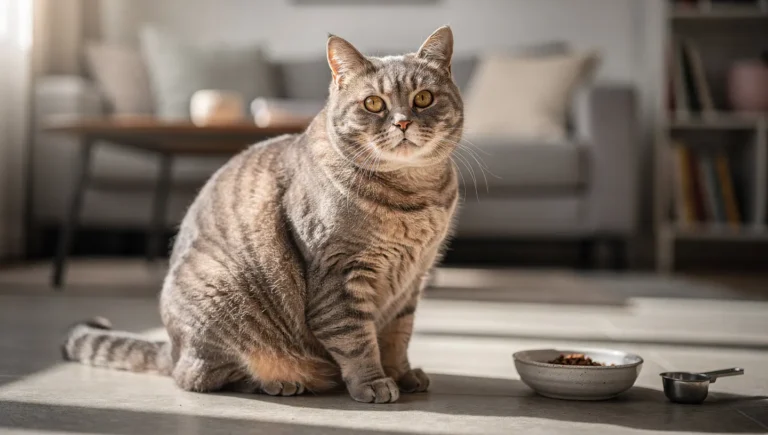


One morning, a friend of mine noticed that his cat had barely touched breakfast and was hiding under the bed.
His first thought?
“Okay… she’s either mad at me, or she ate something behind my back.”
A few minutes later, he was searching Google for every possible cat disease he could think of. By the end of the search, he was almost convinced his cat had half the diseases known to modern medicine.
Sound familiar?
When you love a cat, even a single sneeze can suddenly feel like a five-alarm emergency. And while some changes are harmless and temporary, others can be early signs that something really does need attention.
That’s why knowing the common cat diseases, their warning signs, and when to involve a veterinarian can make a huge difference.
This guide will walk you through the illnesses and health problems cat owners are most likely to encounter, what symptoms to watch for, how veterinarians diagnose them, and what you can do to reduce your cat’s risk.
One important note before we start: symptoms can overlap between many different conditions. A cat that vomits, loses weight, hides, or stops eating cannot be diagnosed reliably from symptoms alone. Think of this guide as a way to recognize possible warning signs—not as a substitute for veterinary care.

Table of Contents
- What Are the Most Common Cat Diseases?
- Common Cat Diseases and Their Symptoms
- Upper Respiratory Infections
- Chronic Kidney Disease
- Dental Disease and Tooth Infections
- Urinary Tract Problems
- Skin Diseases and Ringworm
- Fleas and Intestinal Parasites
- Gastrointestinal Diseases
- Diabetes
- Hyperthyroidism
- Heart Disease
- Viral Diseases
- Cancer
- Common Cat Diseases in Kittens
- Common Diseases in Older and Senior Cats
- Common Cat Diseases in Kittens
- Common Diseases in Older and Senior Cats
- Common Indoor Cat Illnesses
- Which Cat Diseases Are Contagious?
- Can Cat Diseases Spread to Humans?
- What Are the Warning Signs That Your Cat Is Sick?
- When Is a Cat Disease an Emergency?
- How Are Cat Diseases Diagnosed?
- How Are Common Cat Diseases Treated?
- How to Prevent Common Cat Diseases
- Some frequently asked questions
- What disease is most common in cats?
- What are the most common symptoms of illness in cats?
- What are common diseases in indoor cats?
- What cat diseases are contagious?
- Can cat diseases spread to humans?
- What are the most deadly cat diseases?
- How do I know if my cat needs a vet?
- What are the most common diseases in kittens?
- What diseases are common in senior cats?
- Can a cat have a serious disease without obvious symptoms?
- Before You Go
What Are the Most Common Cat Diseases?
“Common cat diseases” is actually a pretty broad category.
Cats can develop problems involving almost every part of the body, from their teeth and skin to their kidneys, digestive system, urinary tract, heart, and immune system.
Some conditions are relatively mild and may resolve with appropriate care. Others can become serious if they are ignored.
Here’s a quick overview of some of the health problems cat owners should know about:
| Disease or Condition | Common Signs | General Concern |
|---|---|---|
| Upper respiratory infections | Sneezing, nasal discharge, congestion | Usually needs monitoring; some cases need veterinary care |
| Chronic kidney disease | Increased drinking, increased urination, weight loss | Requires veterinary assessment |
| Dental disease | Bad breath, sore gums, eating changes | Often painful and needs veterinary care |
| Urinary tract problems | Straining, frequent urination, blood in urine | Some cases can be an emergency |
| Parasites | Itching, digestive problems, poor coat condition | Depends on the parasite and severity |
| Diabetes | Increased thirst, urination, weight changes | Requires veterinary assessment |
| Hyperthyroidism | Weight loss, appetite changes, restlessness | Commonly seen in older cats |
| Skin disease | Itching, hair loss, redness, lesions | Depends on the underlying cause |
| Gastrointestinal disease | Vomiting, diarrhea, appetite changes | Depends on severity and duration |
| Heart disease | Breathing changes, weakness, collapse | Can be serious and requires veterinary evaluation |
The tricky part is that cats are exceptionally good at hiding discomfort.
A cat may still walk around, groom itself, and act fairly normal while a health problem is developing underneath the surface.
That’s one reason subtle changes in eating, drinking, litter-box habits, weight, or behavior deserve more attention than many owners realize.
Common Cat Diseases and Their Symptoms
There isn’t one single “most common cat disease.” Different problems become more likely depending on a cat’s age, lifestyle, genetics, environment, and overall health.
Rather than throwing a giant list of diseases at you, let’s organize the major ones by body system.
That makes the information much easier to use when you’re sitting there thinking, “Wait… why is my cat doing THAT?”
Upper Respiratory Infections
Upper respiratory infections are among the more familiar illnesses affecting cats.
You may notice symptoms that look surprisingly similar to what humans experience with a cold:
- Sneezing
- Nasal discharge
- Watery or irritated eyes
- Congestion
- Reduced appetite
- Lethargy
- Coughing in some cases
Several infectious agents can cause respiratory illness in cats, including feline herpesvirus and feline calicivirus.
The important thing is not to assume that every sneeze means your cat has an infection.
One occasional sneeze can happen for plenty of harmless reasons. Repeated sneezing, persistent discharge, breathing changes, poor appetite, or noticeable lethargy are more meaningful.
If your cat develops respiratory symptoms, pay attention to the overall picture rather than focusing on one symptom in isolation.
Helpful next step: If you’re specifically dealing with sneezing, congestion, or discharge, see our more detailed guide on Cat Respiratory Infection Symptoms.

Chronic Kidney Disease
Kidney disease is especially important for owners of older cats.
Chronic kidney disease, often shortened to CKD, means that kidney function has been declining over time.
The frustrating part?
Early kidney disease may not come with obvious symptoms.
As the condition progresses, owners may notice things such as:
- Drinking more water
- Urinating more frequently
- Weight loss
- Reduced appetite
- Low energy
- Changes in the coat
- Dehydration
These signs can also occur with other illnesses, which is why you shouldn’t try to diagnose kidney disease based on a checklist from the internet.
A senior cat that gradually starts drinking more or losing weight deserves attention, even if it otherwise seems “fine.”
Cats are very good at making gradual changes look normal.
Dental Disease and Tooth Infections
Here’s one that many cat owners underestimate.
You might think, “My cat eats normally, so the teeth must be fine.”
Not necessarily.
Dental disease is common in cats and can become painful. Problems may include gingivitis, periodontal disease, and tooth resorption.
Watch for signs such as:
- Bad breath
- Red or swollen gums
- Drooling
- Pawing at the mouth
- Difficulty chewing
- Dropping food
- Turning the head while eating
- Refusing harder food
- Eating less than usual
And here’s the uncomfortable truth: cats don’t always make their dental pain obvious.
A cat may continue eating while quietly dealing with significant oral discomfort.
That’s why regular dental care matters, especially as your cat gets older.
If you’ve already noticed bad breath or changes in the way your cat eats, don’t just grab a toothbrush and hope for the best. Severe gum inflammation can make brushing painful and may require professional evaluation.
For a deeper look at feline dental health, see our guide to Cat Dental Care.
Urinary Tract Problems
This is one category where cat owners should pay close attention to litter-box behavior.
Urinary problems can have several causes, including inflammation, bladder stones, and other lower urinary tract disorders.
Possible signs include:
- Frequent trips to the litter box
- Straining to urinate
- Crying or vocalizing while urinating
- Urinating outside the litter box
- Licking the genital area frequently
- Blood in the urine
- Passing only small amounts of urine
And there is one warning sign you should never casually ignore:
A cat that is repeatedly trying to urinate but produces little or no urine may have a urinary obstruction.
A complete urethral obstruction is a genuine veterinary emergency and can deteriorate rapidly.
So if your cat is making repeated attempts to urinate and you’re not seeing normal urine production, don’t wait for Google to finish loading.
Get veterinary help immediately.
For owners trying to understand the difference between ordinary litter-box changes and possible urinary problems, our guide to Signs of UTI in Cats can provide additional context.
Skin Diseases and Ringworm
Cats can develop a wide variety of skin problems.
Sometimes the culprit is something relatively straightforward, such as fleas. Other times, the cause may involve allergies, infections, parasites, or other underlying conditions.
Common warning signs include:
- Excessive scratching
- Frequent licking
- Hair loss
- Red or irritated skin
- Scabs
- Crusty areas
- Bald patches
- Changes in the coat
- Skin lesions
Ringworm deserves special attention because, despite its name, it isn’t actually a worm.
It’s a fungal infection that can spread between animals and can also affect people.
If you notice suspicious circular or scaly bald patches—especially if another pet or person in the household develops a similar skin problem—it’s worth getting professional advice rather than experimenting with random creams.
Fleas and Intestinal Parasites
Parasites are another common concern for cats.
Fleas can cause itching and skin irritation, but heavy infestations can create more serious problems, particularly in vulnerable cats.
Intestinal parasites can include:
- Roundworms
- Hookworms
- Tapeworms
- Other gastrointestinal parasites
Depending on the parasite, signs can include diarrhea, vomiting, poor weight gain, a dull coat, abdominal discomfort, or visible evidence around the stool or rear end.
But here’s something worth remembering:
Not every cat with parasites will look obviously sick.
That is one reason routine veterinary care and appropriate parasite prevention matter.
If you’re seeing worms, unexplained digestive changes, or other suspicious signs, take a closer look at our guide to Symptoms of Worms in Cats.
And if fleas are the concern, our Flea Prevention guide can help you approach prevention more systematically.

Gastrointestinal Diseases
Every cat vomits occasionally.
That doesn’t mean every cat has a gastrointestinal disease.
But repeated vomiting, persistent diarrhea, appetite changes, weight loss, or obvious abdominal discomfort deserve more attention.
Digestive problems in cats can include:
- Gastroenteritis
- Inflammatory bowel disease
- Pancreatitis
- Intestinal parasites
- Other digestive disorders
The challenge is that these conditions can look similar from the outside.
For example, sudden vomiting or loose stools could be a temporary stomach upset, or part of a deeper issue. If you’re seeing frequent digestive trouble, our guides on Why Does My Cat Throw Up After Eating?
and Cat Diarrhea Causes & Treatment cover what normal vs. urgent looks like.
That’s why frequency, duration, severity, and other accompanying changes matter.
Instead of asking only, “Did my cat vomit?”
Ask:
How often? How much? What did it look like? Is my cat eating, drinking, using the litter box, and behaving normally otherwise?
Those details can be much more useful when you speak with your veterinarian.
Diabetes
Diabetes can occur in cats when the body is unable to properly regulate blood glucose.
Some signs owners may notice include:
- Increased thirst
- Increased urination
- Weight loss
- Increased appetite in some cats
- Reduced energy
- Changes in body condition
These symptoms can overlap with other diseases, particularly in older cats.
So again, the goal isn’t to diagnose diabetes from home.
The goal is to recognize a pattern that deserves veterinary attention.
And if your cat suddenly seems to be emptying the water bowl much faster than usual, don’t automatically assume it’s just enjoying the new water fountain.
Sometimes small household observations are exactly what help owners notice that something has changed.
Hyperthyroidism
Hyperthyroidism is another condition that becomes particularly relevant as cats age.
Some affected cats may develop:
- Weight loss despite eating well
- Increased appetite
- Increased thirst
- Increased urination
- Restlessness
- Increased vocalization
- Vomiting or diarrhea
- A generally more “wired” personality
The changes can sometimes be gradual.
An owner may even think, “She’s just getting older and more active.”
But significant weight loss or persistent behavioral and appetite changes shouldn’t simply be written off as personality.
Heart Disease
Heart disease in cats can be particularly difficult for owners to recognize because some cats show very few obvious signs early on.
One important condition is hypertrophic cardiomyopathy (HCM), a disease involving abnormal thickening of the heart muscle.
Depending on the condition and its severity, possible warning signs can include:
- Breathing changes
- Reduced activity
- Weakness
- Collapse
- Sudden inability to use the hind legs
- Other signs of cardiovascular distress
A cat that suddenly has difficulty breathing, collapses, or develops severe weakness needs urgent veterinary attention.
This is not an area where home observation should replace professional evaluation.
Viral Diseases
Cats can also develop several important viral diseases.
Examples include:
- Feline immunodeficiency virus (FIV)
- Feline leukemia virus (FeLV)
- Feline infectious peritonitis (FIP)
- Feline panleukopenia
- Feline herpesvirus
- Feline calicivirus
These conditions are very different from one another, so there isn’t one universal symptom list or treatment approach.
Some can be associated with respiratory signs, immune-system problems, digestive symptoms, fever, weight loss, or other systemic changes.
The practical takeaway for cat owners is simple:
Vaccination, appropriate testing, parasite prevention, reducing exposure to infectious animals, and regular veterinary care all play a role in protecting feline health.
If your cat has an unexplained persistent illness, don’t assume that a single symptom points to one particular virus.
Cancer
Cancer is another possibility veterinarians consider when cats develop persistent or unexplained changes.
Depending on the type and location, warning signs may include:
- Unexplained weight loss
- A new lump or swelling
- Persistent appetite changes
- Unusual bleeding
- Non-healing wounds
- Ongoing vomiting or diarrhea
- Changes in behavior or energy
- Difficulty eating or swallowing
A lump doesn’t automatically mean cancer.
Neither does weight loss.
But persistent or unexplained changes deserve investigation rather than weeks of guessing.
The earlier a veterinarian understands what’s actually happening, the more informed the available options can be.
Common Cat Diseases in Kittens
Kittens have a different set of challenges from healthy adult cats.
Their bodies are still developing, their immune systems are immature, and problems such as parasites, infections, dehydration, and poor nutrition can become serious more quickly.
Common health concerns in kittens can include:
- Respiratory infections
- Intestinal parasites
- Eye infections
- Diarrhea
- Vomiting
- Fleas
- Nutritional problems
- Certain infectious diseases
One thing that makes kittens different is how quickly their condition can change.
A playful kitten that suddenly becomes weak, stops eating, develops persistent vomiting or diarrhea, or seems unusually sleepy deserves closer attention.
Don’t assume every sleepy kitten is simply “having a lazy day.”
Sometimes they are.
Sometimes they’re telling you something.

Common Diseases in Older and Senior Cats
Senior cats deserve their own section because age changes the health risks we need to keep in mind.
Older cats are more likely to develop conditions involving the kidneys, thyroid, teeth, joints, metabolism, heart, and other body systems.
The important point here isn’t to repeat every disease we’ve already discussed.
It’s to recognize that small changes can become easier to dismiss in an older cat.
A senior cat that slowly loses weight may be assumed to be “just getting old.”
A cat that drinks more may simply seem thirstier.
A cat that stops jumping onto the sofa may appear to be slowing down.
But these changes can sometimes signal an underlying health problem.
Regular veterinary examinations become increasingly valuable as cats age because some conditions may develop gradually before producing dramatic symptoms.
For more practical guidance on caring for an aging cat, see our guide to Senior Cat Care.
Common Cat Diseases in Kittens
Kittens can go from playful to genuinely unwell faster than many new owners expect. Their smaller bodies and developing immune systems make problems such as infections, parasites, diarrhea, and dehydration especially important to watch.
Keep an eye out for:
- Persistent vomiting or diarrhea
- Refusing food
- Unusual weakness or sleepiness
- Difficulty breathing
- Eye or nasal discharge
- Poor weight gain
- A swollen or painful-looking abdomen
- Heavy flea or parasite problems
A kitten that suddenly stops eating, becomes weak, or seems dramatically different from normal deserves prompt veterinary attention. With young cats, “I’ll see how she is tomorrow” isn’t always the safest strategy.
Common Diseases in Older and Senior Cats
Older cats have a frustrating habit of making illness look like aging.
Maybe your cat jumps onto the sofa less often. Maybe she’s drinking more. Maybe she’s lost a little weight over several months.
It is tempting to say, “She’s just getting old.”
Sometimes she is.
But persistent changes can also be associated with kidney disease, hyperthyroidism, diabetes, dental disease, arthritis, heart disease, or cancer. The goal isn’t to panic over every change—it’s to notice patterns early and mention them to your veterinarian.
For practical senior-cat care, see our guide to Senior Cat Care.
Common Indoor Cat Illnesses
Indoor life protects cats from some outdoor hazards, but it doesn’t create a health bubble.
Indoor cats can still develop:
- Dental disease
- Obesity
- Kidney disease
- Urinary problems
- Respiratory infections
- Parasites
- Stress-related problems
In fact, one of the easiest mistakes is assuming that an indoor cat doesn’t need preventive care. Vaccination and parasite-prevention plans should be based on the individual cat’s risk and your veterinarian’s advice. According to the ASPCA guidelines on feline vaccinations, core vaccines protect cats against severe infectious illnesses regardless of whether they stay strictly indoors.
Which Cat Diseases Are Contagious?
Not every feline illness spreads from cat to cat. But some infectious diseases deserve extra attention, particularly in multi-cat homes.
Depending on the disease, transmission can occur through close contact, bodily fluids, respiratory secretions, contaminated environments, or parasites.
Important examples include:
- FIV
- FeLV
- Upper respiratory infections
- Ringworm
- Certain intestinal parasites
- Some viral infections
If one cat becomes sick in a multi-cat household, avoid assuming that the others are automatically safe—or automatically infected. Ask your veterinarian whether testing, isolation, cleaning, or preventive measures are appropriate.
Can Cat Diseases Spread to Humans?
Yes. Some infections and parasites that affect cats are zoonotic, meaning they can also affect people.
Examples include:
- Ringworm
- Roundworms
- Hookworms
- Rabies
That doesn’t mean living with a cat is dangerous. It means sensible hygiene matters.
Wash your hands after cleaning the litter box, keep parasite prevention up to date, avoid handling suspicious skin lesions unnecessarily, and seek veterinary advice when your cat has a potentially contagious condition.
What Are the Warning Signs That Your Cat Is Sick?
You know your cat’s normal routine better than anyone.
That’s actually one of your biggest advantages.
A healthy cat doesn’t have to behave exactly the same every day, but a noticeable change that persists—or several changes appearing together—is worth paying attention to.
Watch for:
- Eating significantly less or more
- Drinking much more or much less
- Unexplained weight loss
- Repeated vomiting or diarrhea
- Hiding more than usual
- Sudden aggression or unusual vocalization
- Breathing changes
- Changes in litter-box habits
- Trouble jumping or walking
- Poor grooming
- Eye or nose discharge
- Skin or coat changes
- Signs of pain
If you’re unsure whether a behavioral change matters, our guide on How to Tell if Your Cat Is Sick can help you look at the bigger picture.
When Is a Cat Disease an Emergency?
This is the part worth bookmarking.
Don’t spend an hour searching symptoms if your cat has:
- Difficulty breathing
- Collapse or severe weakness
- Seizures
- Sudden neurological changes
- Severe or uncontrolled bleeding
- Severe pain
- Suspected poisoning
- Inability to urinate
- Repeated straining with little or no urine
A cat repeatedly trying to urinate without producing normal urine may have a urinary obstruction. The Cornell Feline Health Center emphasizes that a complete urethral blockage is a critical medical emergency that requires immediate intervention.
If poisoning is suspected, contact a veterinarian or appropriate animal poison service promptly. Do not induce vomiting unless a veterinary professional specifically tells you to; some toxins can cause additional damage when vomited.

How Are Cat Diseases Diagnosed?
This is where Google finally has to step aside.
A veterinarian may combine the physical examination with tests such as:
- Blood work
- Urinalysis
- Fecal testing
- X-rays
- Ultrasound or other imaging
- Specialized infectious-disease testing
- Additional tests based on the cat’s symptoms
The reason is simple: the same symptom can have many different causes. Weight loss, vomiting, increased thirst, or hiding can point toward several conditions, so a symptom alone usually isn’t enough to identify the underlying problem.
How Are Common Cat Diseases Treated?
There is no universal “cat medicine.”
Treatment depends entirely on what’s causing the problem and how severe it is. Depending on the diagnosis, veterinary treatment may involve medication, fluids, dietary changes, parasite control, dental treatment, surgery, or supportive care.
And please don’t improvise with the medicine cabinet.
Never give your cat human medication unless a veterinarian specifically instructs you to do so. The U.S. Food and Drug Administration (FDA) explicitly warns that over-the-counter pain medications like acetaminophen (paracetamol) are fatal to felines and must never be administered at home.
How to Prevent Common Cat Diseases
You can’t prevent every illness, but you can stack the odds in your cat’s favor.
Focus on the basics:
- Keep vaccinations appropriate for your cat’s risk.
- Use veterinarian-recommended parasite prevention.
- Maintain a healthy body weight.
- Provide fresh water every day to maintain proper cat hydration and support kidney health.
- Feed a complete, balanced diet.
- Pay attention to dental health.
- Keep the litter box clean.
- Reduce unnecessary exposure to sick animals.
- Schedule appropriate veterinary examinations.
- Treat small, persistent changes as information—not something to automatically dismiss.
The biggest preventive tool is often surprisingly simple:
Know what “normal” looks like for your cat.
Some frequently asked questions
What disease is most common in cats?
There isn’t one single disease that is “the” most common for every cat. Respiratory infections, dental disease, parasites, urinary problems, and age-related conditions are among the important health issues owners should understand.
What are the most common symptoms of illness in cats?
Common warning signs include appetite changes, weight loss, vomiting, diarrhea, increased thirst, changes in urination, hiding, lethargy, breathing changes, and noticeable behavioral changes.
What are common diseases in indoor cats?
Indoor cats can still develop dental disease, obesity, kidney disease, urinary problems, respiratory infections, parasites, and other conditions. Indoor living lowers certain risks but doesn’t eliminate the need for preventive care.
What cat diseases are contagious?
Some infectious conditions can spread between cats, including FIV, FeLV, respiratory infections, ringworm, certain parasites, and other viral diseases. The method and risk of transmission vary by disease.
Can cat diseases spread to humans?
Yes. Some feline infections and parasites are zoonotic, including ringworm, certain intestinal parasites, and rabies. Good hygiene and appropriate veterinary care reduce risk.
What are the most deadly cat diseases?
Some feline diseases can become life-threatening, but “deadly” depends on the specific condition, how early it is detected, the cat’s overall health, and whether appropriate treatment is available.
How do I know if my cat needs a vet?
If your cat has a persistent change in appetite, weight, behavior, drinking, urination, breathing, mobility, or general energy, contact your veterinarian for advice. Emergency signs such as breathing difficulty, collapse, seizures, poisoning, severe pain, or inability to urinate require much more urgent action.
What are the most common diseases in kittens?
Kittens commonly face problems involving respiratory infections, parasites, gastrointestinal upset, eye infections, fleas, and certain infectious diseases. Because kittens can deteriorate quickly, significant changes deserve prompt attention.
What diseases are common in senior cats?
Kidney disease, hyperthyroidism, diabetes, dental disease, arthritis, heart disease, and cancer become increasingly important considerations as cats age.
Can a cat have a serious disease without obvious symptoms?
Yes. Some conditions can develop gradually or produce subtle changes before a cat appears obviously sick. That’s why routine veterinary care and attention to small changes matter.
Before You Go
If your cat sneezes once, you probably don’t need to start writing a farewell letter.
But if your cat suddenly stops eating, starts hiding, loses weight, drinks dramatically more, struggles to urinate, or simply doesn’t seem like herself, don’t ignore the pattern.
You don’t need to become your cat’s veterinarian.
You just need to become very good at noticing when something has changed.
And honestly, that’s one of the most valuable things you can do for a cat you love.
Has your cat ever done something strange that sent you straight to Google? Share your own experience in the comments below — it might be exactly what another worried cat owner needs to read today. And if this guide helped, pass it along to a fellow cat parent who might be asking the same question. A little knowledge and a little patience go a long way for a small kitten. ❤️